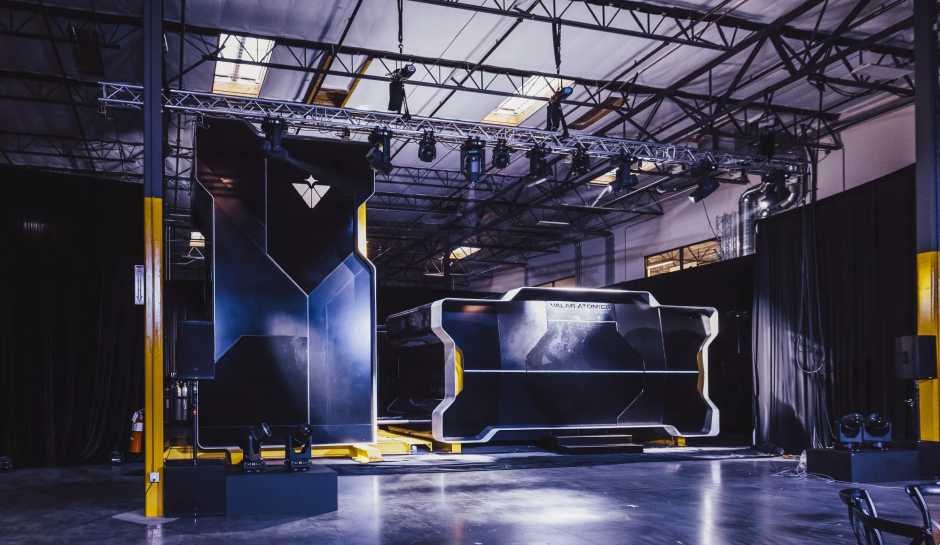
In an era where energy demands are surging and sustainability is paramount, Valar Atomics emerges as a beacon of innovation in the nuclear sector. This Los Angeles-based startup has recently gained attention by securing an impressive $130 million in funding, underpinned by figures such as Palmer Luckey, founder of Anduril Industries, and Shyam Sankar, CTO of Palantir Technologies. This substantial investment not only raises the startup’s total funding to over $150 million but also positions Valar Atomics at the forefront of the advanced nuclear technology movement. As we explore the implications of this funding, it’s crucial to understand how Valar Atomics aims to reshape the energy landscape with its groundbreaking reactor technology.
Investors Powering Valar Atomics’ Vision
Valar Atomics is not just a tech startup; it’s part of a larger narrative where defense and energy sectors intersect. The funding round led by Snowpoint Ventures, Day One Ventures, and Dream Ventures fortifies the company’s ambitious plan to build thousands of small modular reactors (SMRs). With heavyweights like Luckey and Sankar involved, the company is set to innovate and expand rapidly. Their vision encompasses creating scalable, efficient, and maintainable nuclear reactors, which are crucial for data centers and high-tech industries demanding substantial power.
The involvement of seasoned executives like Doug Philippone, who previously led global defense strategies at Palantir, further strengthens Valar Atomics‘ position. As the company constructs its reactor prototype at the San Rafael Energy Lab in Utah, it seeks to demonstrate a capacity of 100 kilowatts of thermal energy by July 4, aiming to make nuclear power more accessible and less bureaucratic.
Transforming Nuclear Energy: Small Reactors for a Sustainable Future
The future of energy production is under transformation, and Valar Atomics is at the helm of this change through its innovative reactor designs. Traditional nuclear power plants are often criticized for their large size, extended construction timelines, and excessive regulatory hurdles. In contrast, Valar Atomics is pioneering the development of small modular reactors (SMRs) that are deployed faster and can be manufactured in factories, significantly reducing costs and risks associated with large-scale developments.
Their approach involves clustering reactors at “gigasites,” which will be strategically located to serve high-demand users, such as artificial intelligence (AI) data centers and industrial manufacturers. These gigasites not only bring substantial energy solutions but also address issues related to energy scarcity, especially in technology-driven sectors, leading to a sustainable energy future. This innovative strategy aligns with growing trends towards decentralization in energy production, where flexibility and rapid deployment are essential.
Moreover, recent data indicates that nuclear power, particularly from SMRs, can substantially reduce carbon emissions while providing reliable energy. The combination of advanced reactor technology and innovative regulation reform anticipated under executive leadership has the potential to catalyze a new era in clean energy.
The Role of Government Policies in Nuclear Innovation
Government policies play a pivotal role in shaping the future of nuclear energy, and Valar Atomics is actively navigating this landscape. Under the Trump administration, there was a push to expedite the deployment of advanced nuclear reactors through regulatory reforms to simplify the Nuclear Regulatory Commission’s licensing processes. This commitment is crucial for startups like Valar Atomics, as cumbersome regulations have historically stifled innovation in the nuclear sector.
Currently, Valar Atomics and several key states are challenging the NRC over its licensing structure, arguing that current frameworks inhibit the development of smaller, more innovative reactors. With a growing push for regulatory reform, the startup is optimistic that it can leverage these changes to accelerate its projects.
In August, the Department of Energy recognized Valar Atomics as a leading candidate for a pilot program that aims to deploy at least three advanced test reactors by July 2026. This initiative signifies a significant governmental endorsement of their technology and could enhance public trust in nuclear power’s role in the energy transition.
Future Prospects for Valar Atomics
The prospects for Valar Atomics are decidedly promising, propelled by significant financial backing and an evolving regulatory environment. As they break ground on their test reactor and work towards demonstrating viable energy production, the company is poised for rapid growth and expansion. Their model of mass-producing small modular reactors could redefine how energy is sourced and utilized across multiple sectors, particularly for enterprises reliant on large-scale data processing and manufacturing.
For companies eyeing sustainability and lower operational costs, the availability of on-site nuclear power presents a compelling advantage. Valar Atomics not only serves as a model for innovation within the energy sector but also as a potential catalyst for a nuclear renaissance that meets the demands of a tech-driven economy.
In conclusion, the journey of Valar Atomics illustrates a confluence of innovation and necessity in today’s energy landscape. Through their unique approach to nuclear energy production and strategic partnerships, they are charting a course that could lead to a more sustainable and reliable energy future. As this narrative unfolds, it is crucial to stay informed about developments in this dynamic sector.
To deepen this topic, check our detailed analyses on Tech Startups section