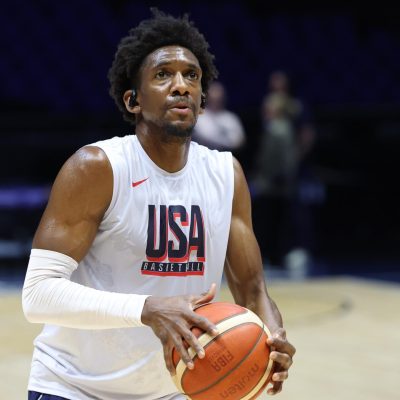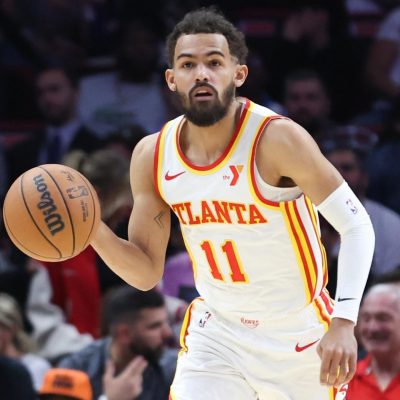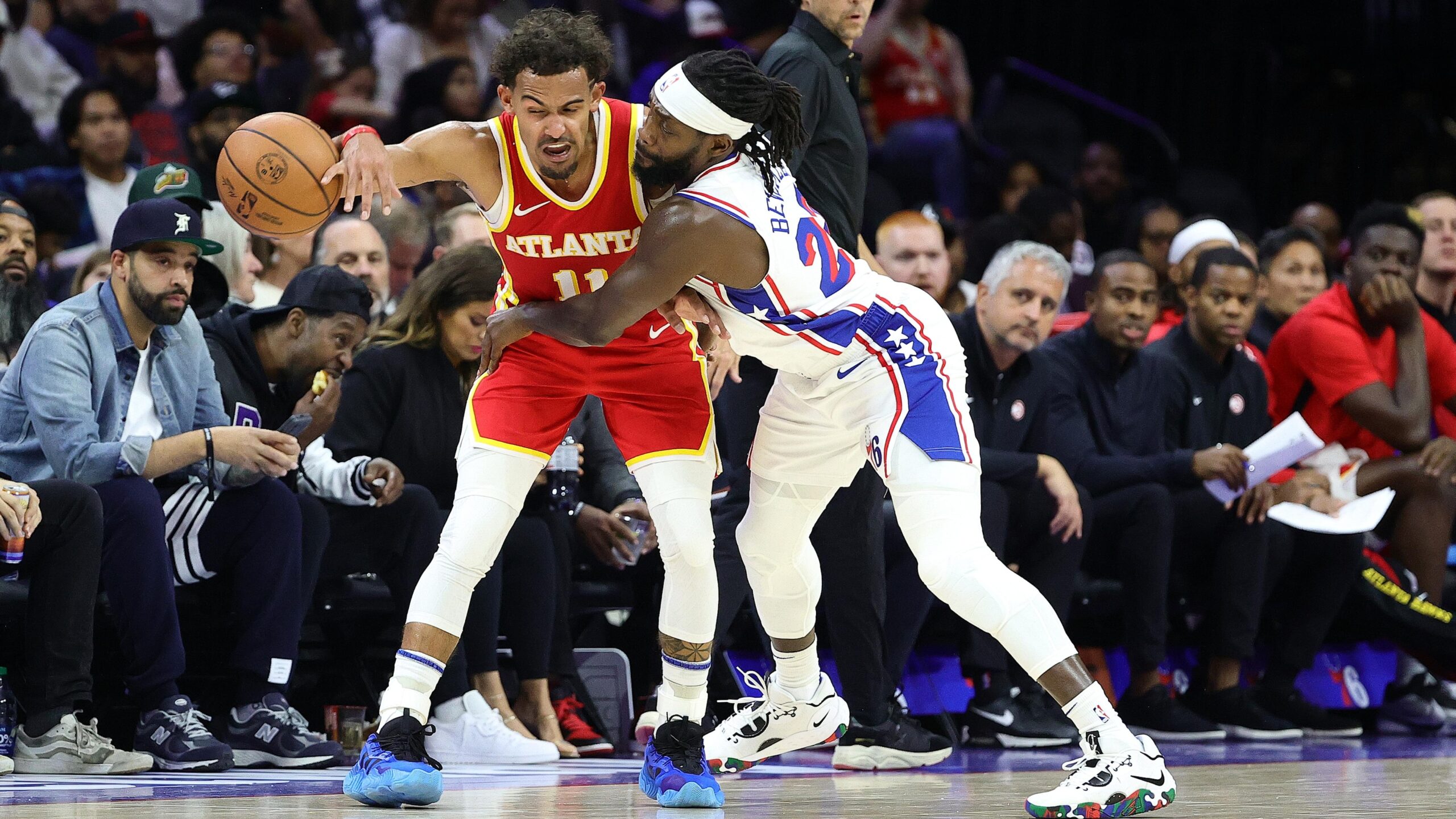
In a surprising twist during this offseason, we witnessed a heated exchange between Atlanta Hawks star Trae Young and former player Patrick Beverley. The spark ignited when Beverley made critical comments about Young’s leadership skills during an episode of his podcast. This culminated in a hilarious comeback from Young, which has since gone viral. The *Trae Young Patrick Beverley roast* not only showcased Young’s witty retorts but also highlighted the competitive nature of NBA athletes. As the league evolves, this type of banter brings excitement to the fans and adds a layer of entertainment beyond just the games. Let’s delve deeper into Young’s comeback and what it means for both players involved.
Understanding the Trae Young Patrick Beverley Feud
The feud between Trae Young and Patrick Beverley began with a sharp critique on Beverley’s podcast, where he claimed that players did not enjoy playing alongside Young. Beverley asserted that Young lacked the qualities of a good leader and teammate, triggering Young to respond with a mix of humor and pointed criticism. In a video response, Young cleverly roasted Beverley, referencing a past moment when Beverley celebrated a play-in victory by standing on the scorer’s table, saying, “You win play-in games at home and you standing on the scorers table acting like it’s a championship.”
This back-and-forth not only added fuel to their rivalry but also served as a reminder of the intense pressure athletes are under to perform and the dynamics of leadership in high-stakes environments. Young’s ability to handle criticism with wit is commendable, and it underscores the importance of mental resilience in sports.
The Importance of Leadership in the NBA
As seen in the *Trae Young Patrick Beverley roast*, the topic of leadership within a basketball team is crucial for success. Good leadership can often mean the difference between victory and defeat, especially in high-pressure situations such as playoff games. Young’s response highlights a fundamental difference in their approaches to the game — while Beverley prides himself on defensive prowess, Young focuses on offensive strategy and team collaboration.
Young’s arguments against Beverley included referencing their playoff experiences. Despite Beverley’s extensive history in the playoffs, Young pointed out, “You’ve been to one conference finals, I’ve been to one conference finals. What year was that for you? Just another fact: Year 9. The year I made it was Year 3.” This not only showcases Young’s confidence but also calls into question Beverley’s impact during his career.
Beverley’s Influence vs. Young’s Rising Star
Patrick Beverley, known for his defensive skills and outspoken personality, has had a long career primarily focused on being a tough defender. On the flip side, Trae Young represents a new generation of NBA stars. The difference in their playing styles might contribute to the differing perceptions of leadership qualities.
Young, a prolific scorer, often takes on the responsibility of leading by example on the court, creating opportunities for his teammates, and stepping up during critical moments in games. This juxtaposition raises questions about the traditional definitions of leadership within sports, particularly in a team dominated by star players.
Furthermore, Young’s ability to remain calm and collected during disputes is crucial. His roast of Beverley not only entertained fans but also demonstrated his ability to handle conflict with humor—a vital trait for any leader.
The Fans’ Perspective on the Young-Beverley Exchange
Fans play an essential role in shaping the narrative around players and rivalries. The humor and intensity of the *Trae Young Patrick Beverley roast* found its way into social media trends, captivating both teams’ followers. The entertainment value of such exchanges reminds fans that NBA players are not just athletes; they are personalities with stories that resonate beyond the court.
For many fans, this light-hearted rivalry adds another layer to the excitement of the upcoming season. Such interactions often initiate conversations around player dynamics, their roles, and how those relationships evolve during the season.
As the atmosphere heats up leading into the next NBA season, this exchange will likely be recalled during discussions of leadership, teamwork, and what it means to rise as a competitor.
Conclusion: A Sign of Things to Come
The *Trae Young Patrick Beverley roast* illuminates the complexities of athlete interactions in the modern NBA. As the league transitions into a new era with emerging stars like Young, the interplay of rivalry and respect becomes increasingly important. While this comedy of errors showcased their differences, it also serves as a reminder of the competitive spirit that defines the sport.
This exciting exchange is an indication of how key players are not just playing games but also crafting narratives that engage fans and shape their legacies. For further insights into similar discussions surrounding player interactions and dynamics, check out our articles on related topics.
To deepen this topic, check our detailed analyses on Basketball section
In conclusion, the implications of this roast extend beyond mere banter; they signify different philosophies of leadership and teamwork in the NBA. From the foundation of leadership dynamics to the role of fans in encouraging player interactions, every element contributes to the evolving narrative of the league. For further reading on related themes, you can explore our insights on NBA strategies in various contexts, much like those discussed in this piece. Furthermore, insights into player accountability can be drawn from our exploration of Kimmel’s suspension, shedding light on external pressures athletes face today. Lastly, for a broader view, our analysis on stablecoins highlights how external elements influence performance and decisions in athletics.