
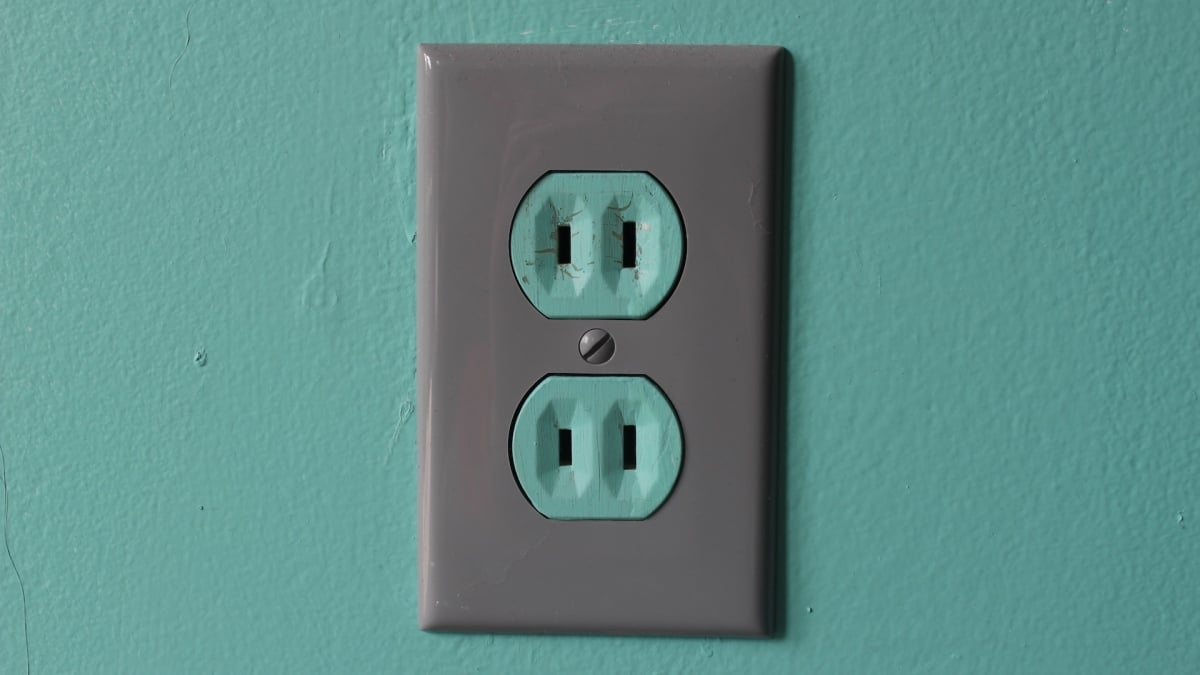
Did you know that many older homes are still equipped with outdated two-prong outlets, which can pose significant safety risks? Upgrading to modern three-prong outlets not only enhances safety but can also improve the functionality of your electrical system. If you think this upgrade requires hiring an electrician, think again! With a bit of effort and the right tools, you can replace those old outlets yourself—safely and affordably. In this article, we’ll explore the benefits, necessary materials, and step-by-step instructions for upgrading to three-prong outlets without the need for professional help. Let’s get started!
Why Upgrade to Three-Prong Outlets?
The switch from two-prong to three-prong outlets goes beyond mere aesthetics; it plays a crucial role in enhancing electrical safety in your home. Safety is paramount, and here’s why.
- The absence of ground wires in two-prong setups can lead to electric shock during voltage surges.
- A grounded outlet provides better protection for your devices, potentially preventing costly repairs or replacements.
- Newer appliances are designed for three-prong plugs, making upgrades essential for compatibility.
By converting to three-prong outlets, you’re not just complying with modern safety standards; you’re also safeguarding your family and your valuable electronics.
Essential Materials for the Upgrade
Before you begin your home project, you’ll need to gather the following materials to ensure a smooth replacement process:
- GFCI outlets: If you’re working with two-prong outlets and there’s no ground wire, use ground-fault circuit interrupter (GFCI) outlets instead of standard three-prong models. GFCI outlets enhance safety by disconnecting power when they detect faults.
- Electrical tape: This tape provides an extra layer of protection around your connections.
- Screwdrivers: A flathead and Phillips head screwdriver will be necessary for removing and replacing outlets.
- Wire strippers: Use these if existing wires are damaged or too short.
- Non-contact voltage tester: This vital tool ensures you can safely handle the outlet without the risk of electric shock.
Having the right supplies will make your upgrade to three-prong outlets much easier and safer.
Steps to Replace Your Outlets
Now that you have everything ready, follow these simple steps to change out your old outlets for new three-prong outlets.
- Cut the power: Always start by flipping the circuit breaker that controls the outlet you’ll be replacing. After switching off the power, confirm your safety with a non-contact voltage tester.
- Remove the old outlet: Unscrew and gently pull the existing outlet from the wall. Take care not to damage the wiring inside.
- Disconnect the wires: Unscrew the existing connections, typically black (or red) for the hot wire, and white for neutral. Check for any damage to the wires.
- Install the new outlet: Connect the wires to the new GFCI or standard three-prong outlet, ensuring that you attach them to the correct terminals—gold for hot and silver for neutral.
- Secure and seal: Use electrical tape to secure the connections, then carefully push the outlet back into the wall and screw it in place.
- Test your work: Restore power at the breaker and test the new outlet with your voltage tester or plug in a device.
After installing, don’t forget to affix the “NO EQUIPMENT GROUND” label to the outlet cover if you used a GFCI, as it informs anyone working later that the outlet is ungrounded.
Final Thoughts: DIY Electrical Upgrades Made Easy
With a little patience and the right guidance, upgrading to three-prong outlets is a manageable DIY task. This upgrade not only increases safety but improves the overall functionality and compliance of your electrical system. By following the steps outlined here, you can avoid the hefty fees associated with hiring an electrician. Equip yourself with the necessary knowledge and tools, and take pride in completing this home improvement project independently.
To deepen this topic, check our detailed analyses on Life Hacks & Productivity section



