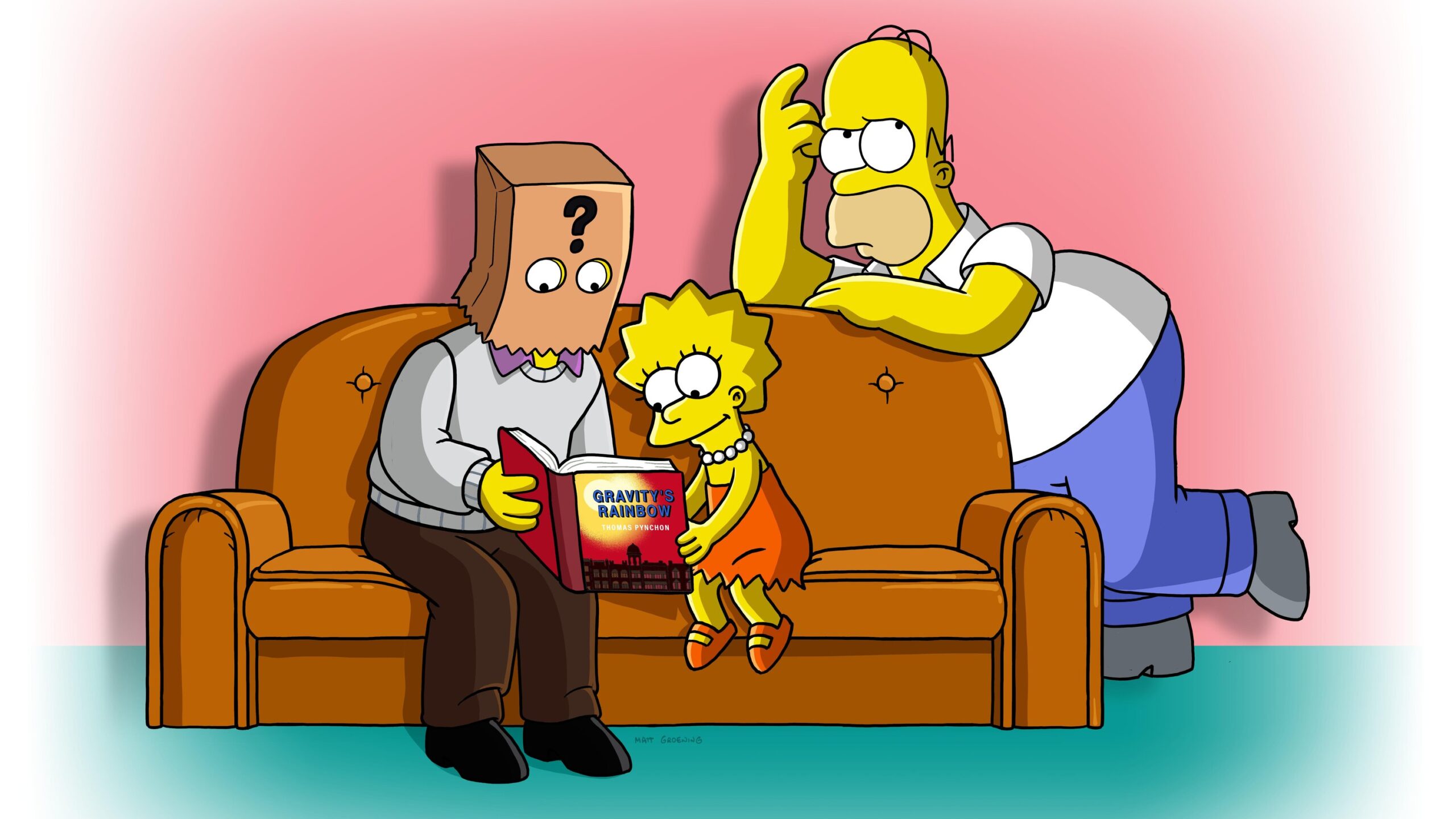
Thomas Pynchon, a name synonymous with intricacy and depth in literary circles, has once again found himself in the spotlight. His recent novel, “Shadow Ticket,” made waves by securing a top spot on the New York Times best-seller list, coinciding with the release of Paul Thomas Anderson’s film “One Battle After Another,” which draws inspiration from Pynchon’s earlier work, “Vineland.” This resurgence has prompted fans and literary figures alike to reflect on their favorite moments from Pynchon’s vast repertoire. Among those paying homage to the master of postmodern literature were none other than Lisa and Homer Simpson, whose humorous banter highlights the lasting influence of Thomas Pynchon on contemporary culture. In this article, we delve into the myriad ways Pynchon shapes our understanding of reality and fiction, through the lenses of various writers.
The Enduring Legacy of Thomas Pynchon
As a pivotal figure in American literature, Thomas Pynchon has captivated readers with his unique blend of humor, complexity, and social commentary. His novels often explore the intersections of technology and humanity, leaving readers in a constant state of re-evaluation about their existence. For instance, William Gibson reflects on the sermon by Father Rapier in “Gravity’s Rainbow,” which reveals the stark division between the elite (“They”) and the rest of humanity (“we”). This poignant observation speaks volumes about wealth dynamics and control in our society. The thought-provoking nature of Pynchon’s work not only entertains but also engages readers in critical discussions around power and resistance.
Another fan favorite, Rachel Kushner, praises Pynchon’s vivid depiction of places that resonate with her personal experience, particularly in “The Crying of Lot 49.” She notes that the wacky layers of California life in the novel took on new meanings as she grew older. This transformative journey echoes what many readers experience as they revisit Pynchon’s novels over time.
Pynchon’s Humor and Its Impact
Humor is a cornerstone of Thomas Pynchon’s writing, making his work accessible, despite its complex themes. The Simpsons’ playful homage to Pynchon provides a glimpse into how his influence permeates popular culture. In a lighthearted exchange, Lisa Simpson expresses her aspiration to become a “famous literary recluse” like Pynchon, while Homer humorously attempts to engage with “Gravity’s Rainbow.” This comedic interaction underscores the connection between high literature and mainstream media.
Pynchon’s playfulness is mirrored in the responses from other authors who reflect on unforgettable moments from his novels. Ian Rankin shares a humorous anecdote about his own margins in “Gravity’s Rainbow,” signaling the joy readers find even in the act of engaging with Pynchon’s work. Similarly, Aimee Bender cites a scene that captures the essence of Pynchon’s enigmatic storytelling in “The Crying of Lot 49,” illustrating the ever-elusive nature of meaning.
The Intersection of Realism and Surrealism
Throughout his career, Thomas Pynchon has blurred the lines between realism and surrealism, creating moments that resonate deeply with readers. Ed Park recalls a striking scene in “Bleeding Edge” that exemplifies this balance, where the protagonist contemplates the nature of reality amidst the chaos of the Deep Web. Such scenes foster a sense of uncertainty, which is a hallmark of Pynchon’s style. It compels readers to question their perceptions, leaving them with lingering thoughts long after they put down the book.
These surreal elements often mirror societal issues, making Pynchon’s commentary on contemporary life all the more relevant. As we witness the chaos of the modern world unfold, writers like Paul Grimstad draw parallels between Pynchon’s observations from decades ago and today’s technological dilemmas, solidifying his place as a prescient voice in literature.
Power and Resistance in Pynchon’s Work
At the core of many of Thomas Pynchon’s narratives is the struggle against power dynamics. The antagonistic forces in his stories compel characters to navigate systems designed to suppress. Jo Freer points to a scene in “Against the Day” that explores the power of anarchism and community. The book depicts a world where cooperation is valued over individualism, resonating with current discussions about collective responsibility. Pynchon’s exploration of these themes continues to inspire readers seeking to understand the complexities of resistance against oppressive structures.
Pico Iyer, another admirer of Pynchon, beautifully encapsulates this notion, describing him as a “caretaker of disappearances.” This perspective emphasizes Pynchon’s ability to illuminate the lost corners of human experience, all while expanding our understanding of the world’s possibilities.
Conclusion: Celebrating Thomas Pynchon’s Unmatched Influence
As Thomas Pynchon continues to captivate the literary world with his intricate narratives, it becomes apparent that his influence transcends mere storytelling. His ability to weave humor, surrealism, and poignant social commentary creates a rich tapestry that invites readers to engage critically with their surroundings. From animated depictions in “The Simpsons” to discussions among contemporary authors, Pynchon’s legacy endures and evolves. As noted by Don DeLillo, the impact of Pynchon’s work is profound, resonating across generations. For those looking to dive deeper into the rich world of literature, explore similar strategies discussed in our analysis of various literary figures.
To deepen this topic, check our detailed analyses on Books & Literature section
This comprehensive look at Thomas Pynchon underscores both his literary genius and his ongoing relevance in cultural discourse. For more insights into how literature interacts with contemporary issues, explore related topics linked above.
Dolly Parton Health Update references similar cultural reflections, while insights into celebrity naming trends echo broader societal narratives. Delving into the Valkyrae controversy highlights modern cultural phenomena that resonate with Pynchon’s themes. Meanwhile, advancements in creativity showcased by Adobe’s AI tools reflect the evolving interaction between technology and art, akin to Pynchon’s explorations of societal change. Finally, the recent launch of RTEB Benchmark offers yet another lens through which to view the complex fabric of contemporary life, reinforcing the importance of remaining at the forefront of these conversations.