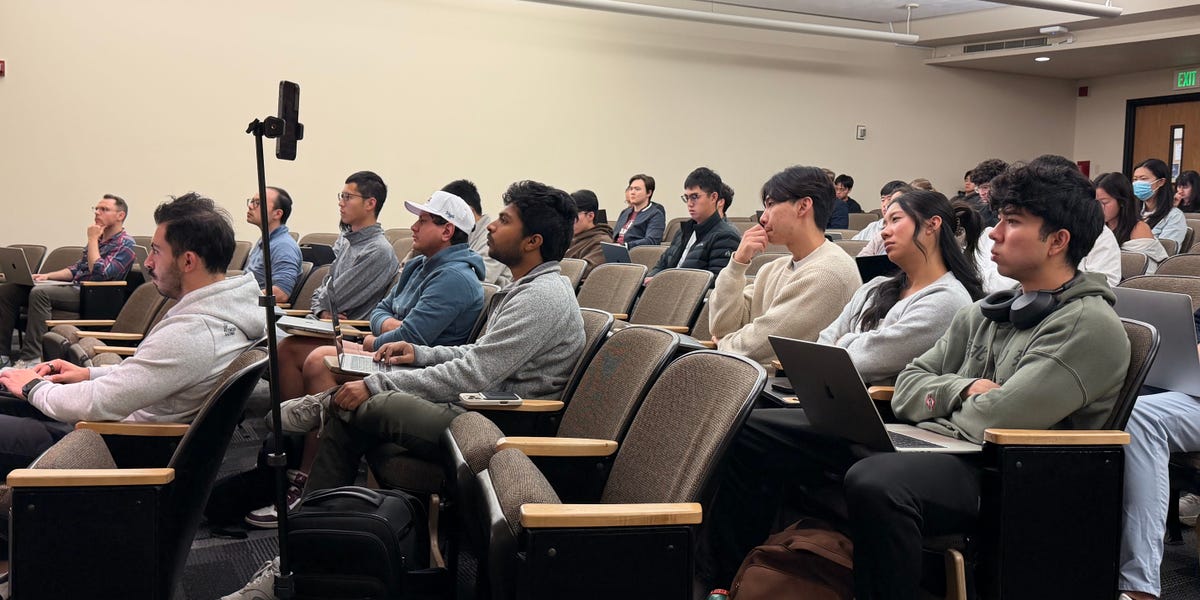
In today’s rapidly evolving technological landscape, the intersection of academia and artificial intelligence (AI) has sparked intense discussions. One powerful example of this is Stanford’s bold approach to teaching computer science. At the forefront of this shift, the Stanford computer science program is redefining educational boundaries by embracing AI tools rather than banning them. This progressive mindset is encapsulated in a particularly popular course titled “The Modern Software Developer.” With demands for modern coding skills and a changing job market, this class has become a beacon for students eager to remain competitive. The course aims not only to adapt to the ever-growing capabilities of AI but also to empower students by integrating these tools into their learning process.
Embracing Change: AI in Stanford Computer Science
Students in the class have expressed a variety of sentiments regarding the integration of AI into their education. As technology rapidly advances, Stanford computer science majors fear their traditional skillsets may become obsolete. However, this course encourages students to leverage AI tools like Cursor and Claude to enhance their learning experience. Rather than feeling threatened, the class offers a sense of empowerment—students realize they can utilize AI as an assistant rather than viewing it as competition.
Mihail Eric, the course lecturer, designed the program intentionally to counter the prevalent trend of banning AI in educational settings. According to him, understanding the use of AI in coding is crucial in today’s job market. He states, “If you can go through this entire class without writing a single line of code, more power to you.” This indicates a radical shift where students can thrive in a landscape that is rapidly evolving due to AI enhancements.
The Classroom of Tomorrow
Featuring guest lectures from notable figures such as Boris Cherney, creator of Claude Code, and Silas Alberti, head of research at Cognition, the course offers unparalleled insights into the realm of AI coding. Silas emphasized, “If you learn with yesterday’s methods, you are not going to be super competitive.” This highlights the critical nature of adaptable learning in fields like Stanford computer science, where staying ahead of the curve is essential.
This new approach to instruction also reflects a broader sentiment within Silicon Valley: while excitement exists around technological innovations, there are valid fears about job security among students. As AI grows more sophisticated—potentially taking over significant coding tasks—young computer science graduates are understandably anxious about their future job prospects.
Addressing Job Market Concerns
The combination of an oversaturation of recent graduates and an influx of dislocated experienced professionals heightens these anxieties. Yet, as Stanford computer science students like Brent Ju express, the optimistic view that AI can accelerate productivity remains prevalent. “If the tools aren’t going to replace you, but act as an assistant, it can really supercharge your productivity,” says Ju. Such perspectives encourage students to see AI as an ally, enabling them to enhance their coding efficiency and effectiveness.
Moreover, industry leaders echo these sentiments. Zach Lloyd, founder and CEO of Warp, emphasizes the continued relevance of traditional programming knowledge: “Knowing the fundamentals of programming is still vital to effectively using AI tools.” This indicates that understanding foundational concepts remains crucial, even as technology advances.
Looking Ahead: AI and the Future of Education
As the course progresses, questions arise about its evolution. Mihail Eric acknowledges the challenge of teaching relevant material in such a fast-paced environment: “People were asking me if I was concerned that by week seven, things are going to be obsolete that I talked about in week one?” His candid acceptance of this uncertainty captures the essence of innovation—always staying one step ahead.
This is not merely a challenge for students in Stanford’s computer science program but a reflection of the larger educational paradigm adjustment prompted by AI advancements. Continual adaptation is critical, as both educators and students navigate this transformative landscape.
Conclusion: The Role of AI in Shaping Future Engineers
As demonstrated by Stanford’s innovative course, the future of Stanford computer science education lies in integration and adaptation to AI technologies. Embracing AI rather than fearing its implications equips students with necessary skills to thrive in an evolving job market. This proactive approach not only reshapes the learning experience but also sets a precedent for educational institutions worldwide. To deepen this topic, check our detailed analyses on Startups section.
To deepen this topic, check our detailed analyses on Startups section