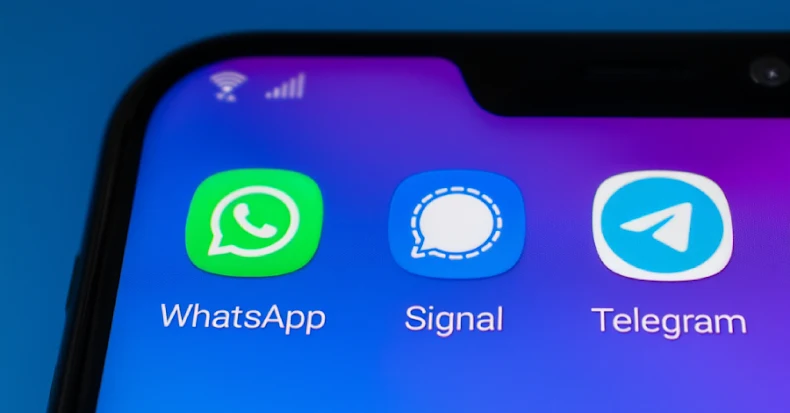
In an increasingly interconnected world, the rise of spyware campaigns poses a significant risk to both personal security and organizational integrity. Recent warnings from the U.S. Cybersecurity and Infrastructure Security Agency (CISA) highlight alarming trends in the world of mobile messaging applications, with high-value users particularly at risk. Did you know that notorious cyber actors leverage sophisticated techniques to infiltrate platforms like Signal and WhatsApp, potentially leading to devastating data breaches? Our examination delves into the complexities of these spyware campaigns, revealing vital strategies for protection in a digital landscape fraught with danger.
Understanding the Threat of Spyware Campaigns
Spyware campaigns are no longer just a nuisance; they are sophisticated operations designed to extract sensitive information and gain unauthorized access. CISA has identified several key tactics employed by cybercriminals. For instance, threat actors exploit the “linked devices” feature of messaging apps to hijack user accounts. This strategy demonstrates how vulnerable even encrypted communication can be if users aren’t vigilant.
- The Signal messaging app is a prime target, with multiple campaigns emanating from Russia-aligned groups.
- Android spyware campaigns like ProSpy and ToSpy impersonate legitimate apps, such as Signal and ToTok, luring users into installing malicious software.
Understanding these tactics can empower users to adopt better security practices and comply with ongoing security recommendations. For a deeper understanding of how these attacks are orchestrated, consider reading about ClayRat spyware targeting Android users.
Recent Examples of Spyware Campaigns in Action
The realm of spyware campaigns is rife with examples that underline the urgency of adopting rigorous security measures. CISA’s reports outline various instances, including targeted campaigns affecting high-profile individuals. A notable example is the exploitation of vulnerabilities in both iOS and WhatsApp, affecting a select group of under 200 users. Additionally, recent findings expose a Samsung flaw that allowed the deployment of Android spyware dubbed LANDFALL on Galaxy devices within the Middle East.
- This highlights how spyware campaigns can leverage several attack vectors to gain footholds in secure environments.
- Such targeted attacks against high-ranking officials and sensitive organizations stress the importance of robust cybersecurity measures.
For those interested in a broader context, the MuddyWater cyber espionage case underscores the extensive impact of spyware campaigns on various global organizations.
Best Practices to Combat Spyware Threats
In light of these spyware campaigns, CISA has provided critical recommendations for individuals, particularly those in sensitive positions. Here are some actionable steps to enhance personal cybersecurity:
- Use end-to-end encryption: Ensure your communication channels incorporate strong encryption standards.
- Enable phishing-resistant authentication: Implement Fast Identity Online (FIDO) protocols.
- Avoid SMS-based MFA: Rely on more secure authentication methods.
Further, it is advisable to use a password manager to securely store credentials and establish a PIN for telecom accounts. The importance of keeping devices updated and utilizing the latest hardware cannot be overstated. For mobile users, Android users are especially urged to choose manufacturers with proven security records.
For more information about securing mobile applications, visit our insights on related advances in technology, such as chaosbot malware and its implications.
Understanding the Complexity of Modern Cyber Threats
As technology continues to evolve, so do the techniques employed in spyware campaigns. These cyber threats intertwine with everyday technology, making consistent vigilance necessary. The landscape is complicated by the emergence of AI-driven malware and advanced social engineering tactics, posing new challenges for users. For example, tools that can hijack popular platforms like Discord create unique vulnerabilities.
Cybersecurity’s need for continuous adaptation is highlighted by the discussions around the potential sale of TikTok. Such shifts can drastically alter the security landscape as platforms re-evaluate their policies and infrastructure.
Concluding Thoughts on Navigating Spyware Threats
The increasing prevalence of spyware campaigns presents a significant challenge for individuals and organizations alike. Awareness and proactive measures are paramount in this digital age filled with unexpected threats. Continuous education, alongside the best practices recommended by trusted agencies like CISA, equips users to fend off these sophisticated attacks.
To deepen this topic, check our detailed analyses in our Cybersecurity section.