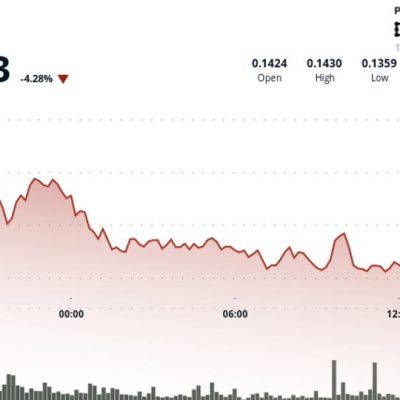
The recent surge in Bitcoin ETF inflows signals a pivotal moment for cryptocurrency investments. In February 2024, Bitcoin ETFs recorded a staggering $2.4 billion in inflows, a significant jump that showcases growing investor confidence. This trend continued into March, with BlackRock’s Bitcoin ETF reaching record inflows of $6.35 billion as the market rallied closer to all-time highs. Additionally, these inflows highlight a shift in institutional investor strategies, as many seek exposure to crypto assets through regulated products. For a detailed overview of ETF trends, visit The Block’s daily Bitcoin ETF flows chart.
Rising Trends in Bitcoin ETF Inflows
The past year has seen Bitcoin ETF inflows defy early skepticism that lingered post-2022 market downturns. As 2025 approaches, regulatory approvals seem more favorable, driving institutional investments toward Bitcoin ETFs. With firms like Fidelity and BlackRock leading these efforts, ETFs have transformed from niche products to mainstream investment vehicles. According to Farside Investors, Bitcoin ETF inflows reached nearly $10 billion in the past months, reflecting an increasing appetite among investors seeking diversified portfolios.
Understanding the Shift in Investor Behavior
As the landscape of digital assets evolves, the growing preference for Bitcoin ETFs stems mainly from their regulatory oversight and ease of access compared to direct Bitcoin ownership. Investors are increasingly wary of the volatility connected to direct cryptocurrency trading. This sentiment is bolstered by reports indicating that ETFs provide a structure that mitigates risks related to custody and fraud. Furthermore, the inclusion of ETFs in retirement accounts appeals to a broader audience. For comprehensive insights into the ETF market, consider checking out ETF.com for the latest news and data.
📊 Key Data Insights
- Inflationary Tactics: Increasing adoption of Bitcoin ETFs indicates a strategic hedging against inflation.
- Market Appeal: Regulatory clarity enhances market participation, drawing institutional and retail investors alike.
Performance Analysis of Bitcoin ETFs
Performance metrics show that Bitcoin ETFs have outperformed many traditional investment vehicles, driven by robust inflows and market support. The correlation between Bitcoin’s price movement and ETF performance is evident, particularly during bullish phases. Notably, BlackRock’s ETF has emerged as a leader in the sector, cementing its status in the cryptocurrency finance landscape. Analysts predict that continued institutional support and favorable policies could lead to unprecedented growth in this asset class.
Key Takeaways and Final Thoughts
In summary, Bitcoin ETF inflows illustrate the shifting investment paradigms toward cryptocurrency, revealing an inclination for regulated products. As institutional players embrace these financial instruments, investors can expect consolidation of Bitcoin’s legitimacy in the financial ecosystem. Continuous monitoring of inflow trends will be essential, and stakeholders should remain informed about regulatory developments to capitalize on potential opportunities.
❓ Frequently Asked Questions
What impacts Bitcoin ETF inflows?
Inflows are influenced by market sentiment, regulatory changes, and the performance of Bitcoin itself. Investor confidence plays a crucial role in shaping these trends.
How do Bitcoin ETFs differ from direct investment?
Bitcoin ETFs allow investors exposure to Bitcoin’s value without direct ownership, offering regulatory safeguards and simpler trading options. This makes them appealing for risk-averse investors.
To deepen this topic, check our detailed analyses on Cryptocurrency & Blockchain section