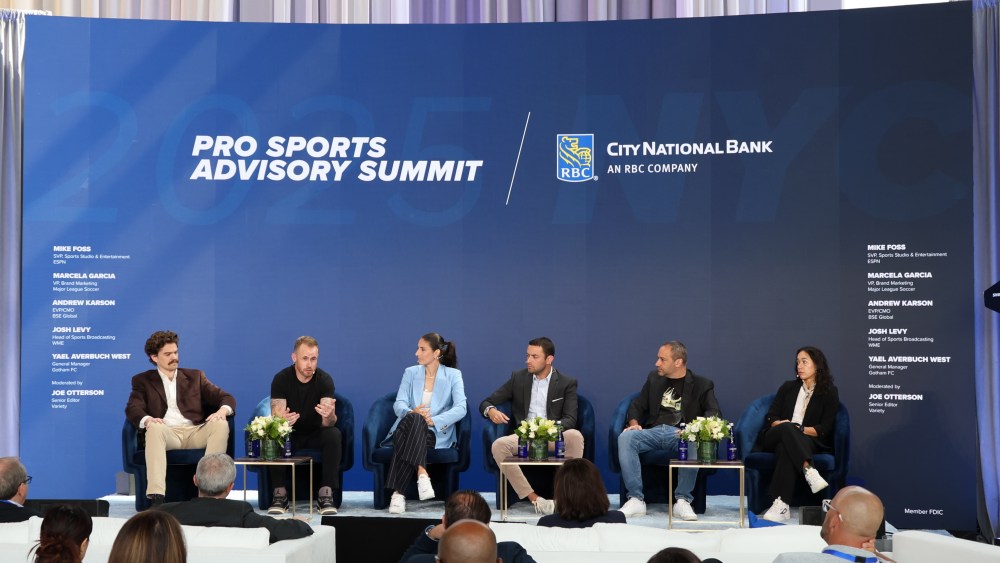
In a world where sports and media intersect like never before, the recent Sports Media Summit held at the City National Bank Pro Sports Advisory Summit has sparked a significant conversation about the evolving landscape of sports fandom. On September 30, 2025, athletes and media personalities united in Manhattan to explore innovative ways to connect with fans beyond the traditional game-day experience. The event culminated in a captivating panel titled “Athletes in the Zeitgeist: Extending Fandom Beyond the Game,” which hosted a variety of influential figures from the sports and media realms. The insights shared could redefine how we perceive sports, media, and the relationship between athletes and their followers.
Connecting Athletes and Fans at the Sports Media Summit
The panel featured esteemed personalities such as Marcela Garcia from Major League Soccer and Mike Foss from ESPN. They highlighted the necessity of extending fandom beyond the game, emphasizing that athletes have an opportunity to connect with their audience through diverse platforms. With the right approach, they can become advocates for their communities and tell stories that resonate with fans on a personal level.
As Garcia mentioned, the focus should be on “growing the game beyond the game.” She stressed the importance of helping athletes and teams leverage various media channels to establish deeper connections with their supporters. This conversation reflects a shift in how fans interact with sports, transcending the mere act of watching games.
The Evolving Landscape of Sports Media
Over the past two decades, the landscape of sports media has witnessed a seismic shift. As highlighted by Foss, while traditional broadcasts remain essential, new platforms have emerged, allowing fans to interact with their favorite athletes more personally. Social media, podcasts, and streaming services have enhanced this connection, granting fans greater access to athlete personalities.
For instance, Levy’s insights about documentaries and interactive content illustrate how fans seek to understand the athletes on a deeper level. “Access” has become a pivotal term in this discussion, as fans desire to explore the lives of their sports heroes outside of the competitive arena. Platforms like the WNBA’s rising viewership exemplify this trend, demonstrating how fans are hungry for more contextual and relatable sports experiences.
Creative Collaborations Beyond the Field
One highlight from the summit was the example shared by Andrew Karson from Brooklyn Sports Entertainment. He recounted how they captured the unique interests of athlete Cam Johnson, who has a passion for astronomy. By collaborating with celebrated astrophysicist Neil deGrasse Tyson for a video at the American History Museum, they created engaging content that resonated with fans.
This innovative approach fosters creativity and expands the avenues through which fans experience sports. The blend of sports and other interests indicates a new way for athletes to showcase their personalities. As the audience grows more connected to these unique stories, the sports community benefits from enhanced engagement and loyalty.
Addressing Challenges in Athlete Accessibility
However, the summit did not shy away from the challenges that arise from increased accessibility. Yael Averbuch West discussed the dual nature of social media, where it can both connect and alienate. Athletes often face significant scrutiny online, making it essential to develop strategies that can help them manage this exposure. It’s crucial for teams to provide guidance and support to ensure athletes can navigate their online presence without negative repercussions.
This perspective aligns with the discussions on how to create a safe environment where athletes can express themselves authentically. As Levy alluded, while engaging directly with audiences is beneficial, it is necessary to establish boundaries that protect athletes from undue stress and toxicity.
The Path Forward for Sports and Media
The insights shared at the Sports Media Summit signal a turning point in how sports, media, and fandom coexist. As the media landscape continues to evolve, the traditional norms give way to creative narratives that weave together multiple dimensions of athletes’ lives. This evolution invites fans to engage with sports in ways that were once unimaginable.
As discussed, the future includes accessibility, creativity, and authenticity. The lessons learned at the summit pave the way for a richer, more vibrant sports culture. For those interested in exploring the cross-section of politics and sports, don’t miss our analysis of democratic identity at the upcoming events.
To deepen this topic, check our detailed analyses on Movies & TV Shows section.