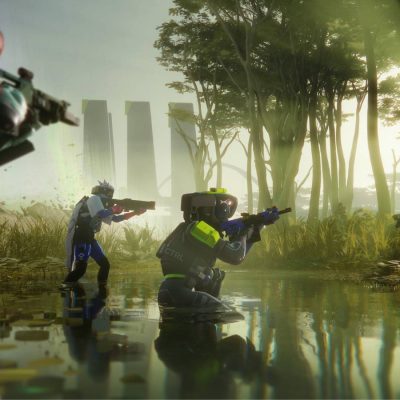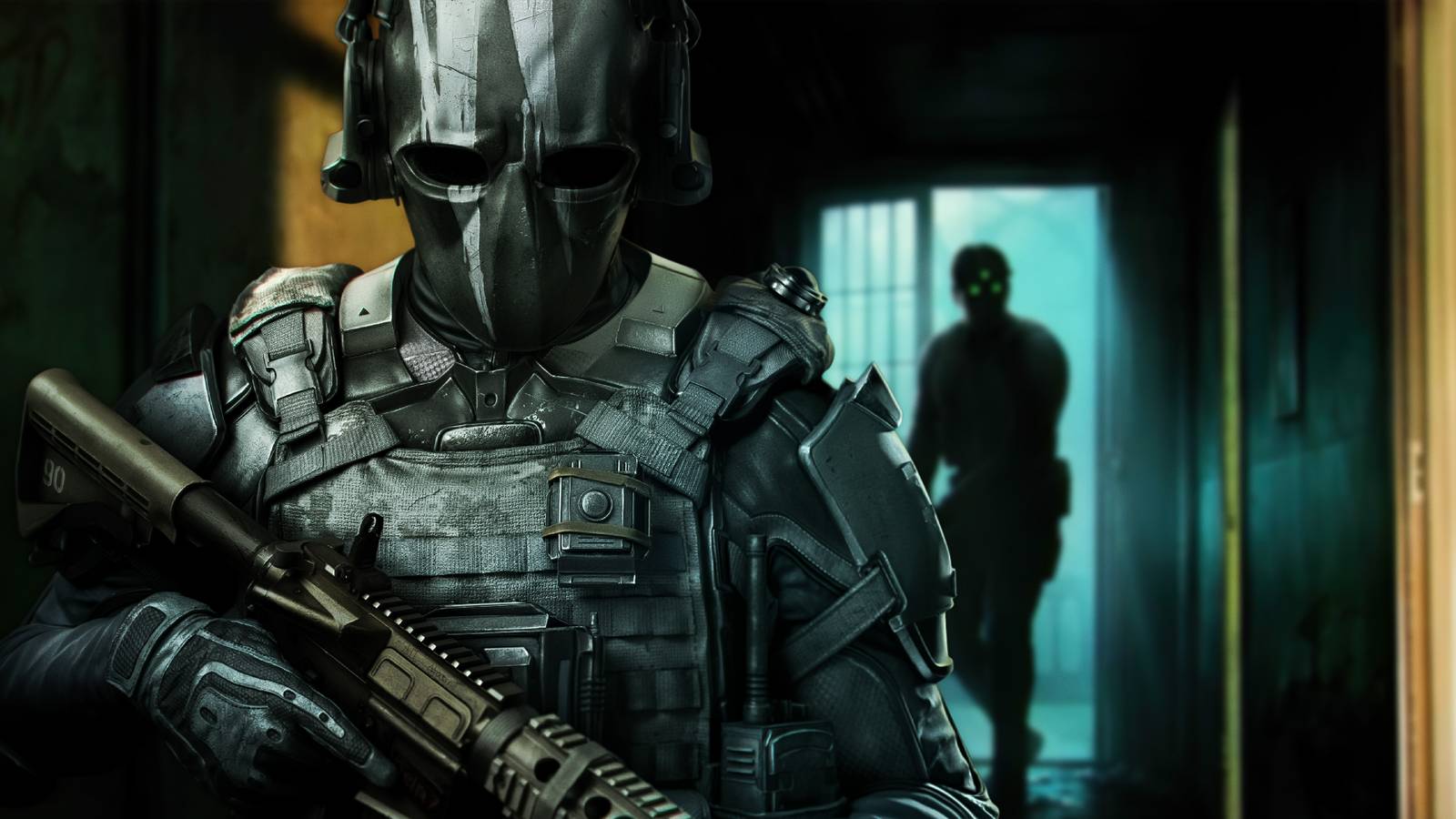
In the ever-evolving world of video games, fans have learned to expect the unexpected. A shocking revelation has come to light regarding the iconic Splinter Cell franchise. Originally poised for a brand-new entry, the much-anticipated game was scrapped and instead transformed into the multiplayer shooter, Splinter Cell XDefiant. This transition highlights not only the challenges faced by developers today but also the growing trend of companies pursuing the lucrative Games as a Service model. With dedicated fans yearning for a true sequel, this news certainly raises some eyebrows.
Understanding the Transformation of Splinter Cell
The decision to convert a potential Splinter Cell title into XDefiant stemmed from a shift in Ubisoft’s strategic direction. After a lengthy hiatus following Splinter Cell Blacklist, released in 2013, gamers had hoped for a continuation of Sam Fisher’s stealthy exploits. However, industry insiders revealed that Ubisoft was increasingly drawn to the Games as a Service framework, similar to successful titles such as Fortnite and Destiny 2. This model allows for sustained engagement and profit generation long after the initial launch, making it appealing for major game studios.
Development efforts initially began with a new Splinter Cell entry. A team comprising former Telltale Games developers joined Ubisoft’s San Francisco office in 2017 with high hopes for creating a narrative-driven experience. Unfortunately, this vision was sidetracked as the company shifted its priorities. By focusing on multiplayer aspects, they crafted XDefiant, which combines characters and mechanics from various beloved franchises. But, as exciting as XDefiant could be, it leaves many wondering what happened to the storied Splinter Cell series.
The Rise and Fall of XDefiant
Despite an initial surge in popularity, XDefiant quickly met challenges post-launch. Within weeks of its release in May 2024, it became the fastest Ubisoft game to reach one million unique players. However, this success was short-lived as engagement and player retention plummeted. The development team faced mounting pressure, and after just a few months, Ubisoft announced the halting of XDefiant‘s development in December 2024. This abrupt end highlighted the volatility of the newly adopted direction for the franchise.
Even the much-anticipated Splinter Cell remake has not been immune to setbacks. Fans have been left in the dark regarding its progress, exacerbated by the departure of key personnel, including multiple project directors. With information sparse and enthusiasm dwindling, the uncertainty surrounding the fate of Splinter Cell continues to grow.
What Lies Ahead for Splinter Cell Fans?
The lingering questions surrounding the future of Splinter Cell XDefiant and the original series bring both hope and frustration. The franchise’s dedicated fanbase remains passionate about Sam Fisher’s exploits and the potential for new adventures. Yet, the transition from a beloved game series into a GaaS format has raised eyebrows and skepticism.
Looking ahead, Ubisoft must reassess its priorities. It’s clear that a considerable number of players still harbor a desire for a traditional Splinter Cell title. Reconnecting with the core gameplay mechanics that made the original games so compelling will be essential for capturing audience interest once more. Fan loyalty can be easily tarnished in an industry that increasingly prioritizes trends over storytelling.
Community Response to the Shift in Focus
The gaming community’s reaction to the transformation of the Splinter Cell franchise has been overwhelmingly mixed. With many expressing disappointment over the decision to merge beloved characters into an online shooter model, it’s clear they feel strongly about the unique elements of the original games. Splinter Cell fans have voiced their desire for immersive narrative-driven experiences, highlighting the importance of a well-crafted storyline to the franchise’s identity.
Interactions and discussions surrounding this issue are essential, as they can guide companies like Ubisoft in future developments. Fan feedback can provide valuable insights, driving home the point that while multiplayer experiences have their place, the demand for engaging single-player narratives remains high.
Conclusion: The Future of Splinter Cell
The saga of Splinter Cell XDefiant stands as a testament to the shifting landscape of video gaming. As the industry evolves towards modern monetization strategies, the impact on established franchises cannot be overlooked. Although Splinter Cell’s journey has taken an unexpected turn, the potential for a return to its roots still exists. Fans continue to look towards Ubisoft for clarity and reassurance. The hope is that the love for Sam Fisher’s stealthy escapades will regain its rightful place in the hearts of gamers and lead to a new chapter in the franchise’s storied history.
To deepen this topic, check our detailed analyses on Gaming section