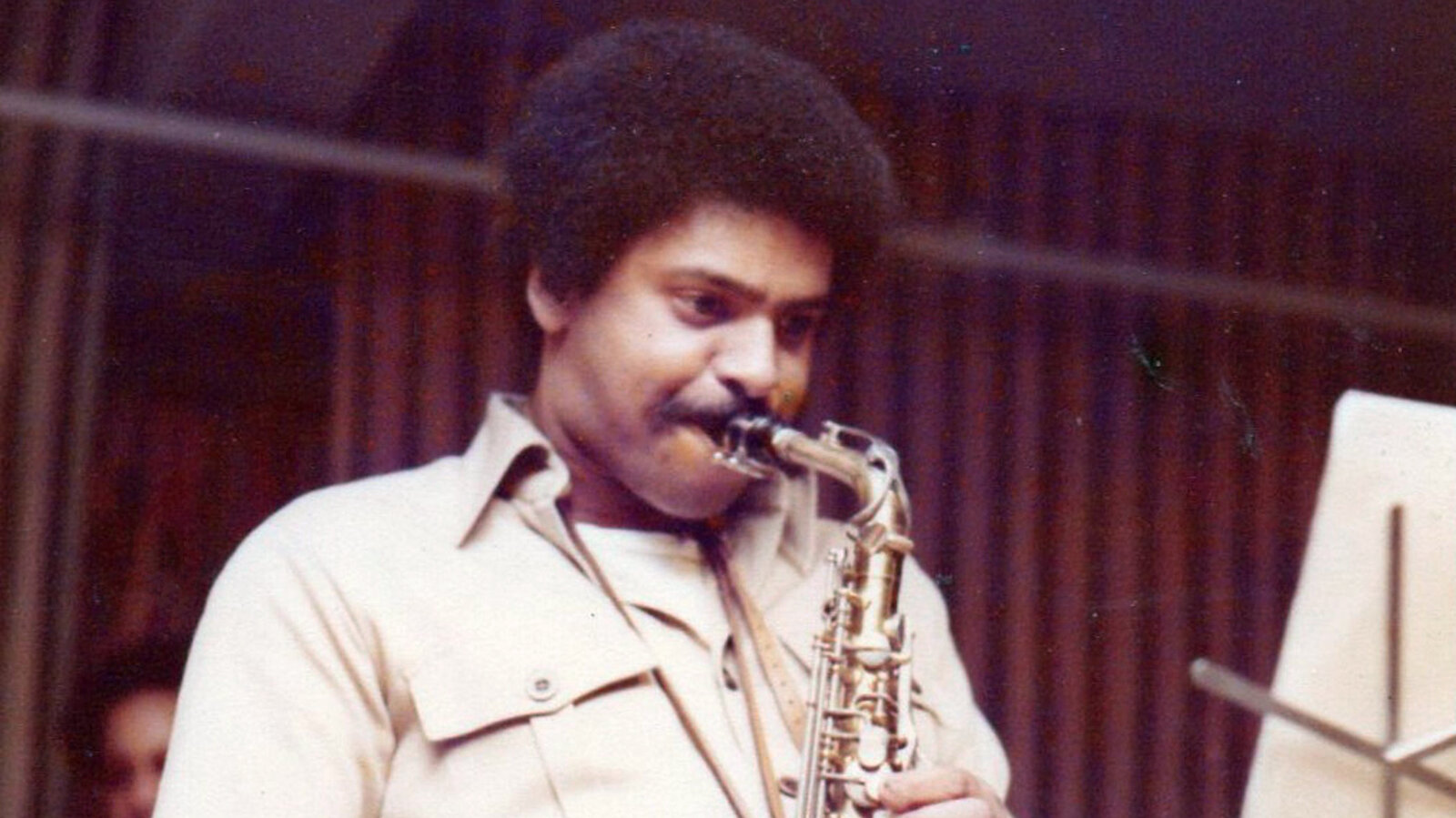
In the realm of jazz, few names resonate with the same mystery and reverence as Shamek Farrah. Known primarily for his groundbreaking 1974 debut album, “First Impressions,” Farrah’s music is celebrated among connoisseurs of spiritual jazz. Yet, even his most ardent fans know very little about the man behind the saxophone. This captivating paradox adds to the allure of Farrah’s sound and his impressive, yet enigmatic, legacy.
Recent developments have reignited interest in Shamek Farrah, especially with the resurgence of Strata-East Records, a label that showcased some of the most innovative and boundary-pushing jazz of the 1970s. Many of these records are now available on streaming platforms, allowing a new generation to discover the profound beauty and complexity of Farrah’s work. This article delves into the unique journey of Shamek Farrah, exploring both his music and his life beyond the spotlight.
The Unsung Legacy of Shamek Farrah
Shamek Farrah emerged from the vibrant jazz scene of the 1970s, a time when artists were pushing creative boundaries and exploring diverse musical influences. His album “First Impressions,” released on Strata-East, exemplifies this spirit. The label, co-founded by trumpeter Charles Tolliver and pianist Stanley Cowell, quickly became a haven for adventurous souls seeking to blend soul, Afrocentric rhythms, and spirituality.
Despite its innovative sound, “First Impressions” faced an uphill battle. Before finding a home at Strata-East, every label Farrah approached rejected his work. Yet, this rejection turned out to be a blessing in disguise. Shamek Farrah recalls, “When we made those recordings, I heard some technical things that I thought we could fix. I thank God that we didn’t, because that music transcended.” This perspective is invaluable, as it highlights how the essence of music can often be more important than its technical perfection.
Reviving the Myth: Where Is Shamek Farrah Now?
Today, Shamek Farrah resides in Kingsland, Georgia, where he serves as Pastor Anthony Domacase at the Jerusalem #1 Baptist Church. Farrah’s commitment to community and spirituality has been a constant in his life, and he remains active in local music, performing with various Christian groups without seeking recognition for his past achievements.
His humility is striking. In a recent phone interview, he remarked, “I don’t toot my own horn. I just fit in with the scenery.” This sentiment resonates deeply with many artists who find their place within communities rather than constantly chasing the spotlight. Despite the years of obscurity, the recent exposure of his work has reignited conversations about Shamek Farrah and his heartfelt contributions to music.
The Musical Evolution and Spiritual Essence
Many who encounter Shamek Farrah‘s music describe an ethereal quality that transcends mere sound, encapsulating a spiritual journey. The genre of spiritual jazz often focuses on themes of enlightenment and reflection, and Farrah’s compositions are no exception. His sound reflects influences from various cultural traditions, which have culminated in a style uniquely his own.
As we delve into the depths of his discography, it’s evident that the combination of soulful melodies and intricate harmonies serves not only to entertain but also to provide a space for introspection. His music invites listeners to ponder their own spiritual journeys, akin to the explorative styles embraced by other artists within the Strata-East catalog, such as Pharoah Sanders and Billy Harper. These parallels draw interesting connections to current trends in the music industry, similar to the findings discussed in our analysis of AI coding tools reshaping development in 2025.
Recognizing Hidden Gems: The Rediscovery of Strata-East Records
The resurgence of Shamek Farrah coincides with the revival of Strata-East Records, largely attributed to the label’s partnership with Mack Avenue Records. This collaboration has made most of the Strata-East catalog available on streaming services, inviting a broader audience to experience its treasures. The newfound accessibility raises intriguing questions about what other musical revelations lie hidden in the archives of past decades.
This exploration not only benefits the audience but also enriches the cultural landscape, allowing new interpretations and connections to be forged. For example, Shamek Farrah shares a narrative similar to that of artists featured in our recent coverage of the Jason Wu collection, where the blend of past influences and contemporary contexts results in transformative creative expressions.
Legacy and Recognition in the Modern Era
In a contemporary music landscape often dominated by commercial success, the story of Shamek Farrah serves as a poignant reminder of the rich, often overlooked narratives within jazz history. His story resonates deeply with many artists who strive for authenticity over mainstream acclaim.
While his time in the limelight was brief, his impact persists. As listeners explore “First Impressions,” they discover not just music, but a connection to a moment in time when creativity reigned supreme. Today, platforms like social media and streaming services give a voice to these hidden gems, allowing them to reclaim their rightful space in modern culture. Furthermore, this concept parallels the themes we explored in relation to Dancing with the Stars and its celebration of artistic innovation.
Conclusion: Embracing the Journey of Shamek Farrah
As the music community continues to celebrate Shamek Farrah and his contributions, the journey to understanding his artistic path enriches our appreciation of spiritual jazz. With his work gaining attention, there’s hope that more listeners will dive into the profound depths of “First Impressions” and other recordings.
In a world that often celebrates immediate success, Farrah’s story challenges us to embrace the beauty of the extraordinary journeys behind the music. His ongoing influence reverberates through the jazz community, inspiring both new and veteran artists alike to explore their creativity without fear of recognition or accolades.
To deepen this topic, check our detailed analyses on Music section.
To deepen this topic, check our detailed analyses on Music section