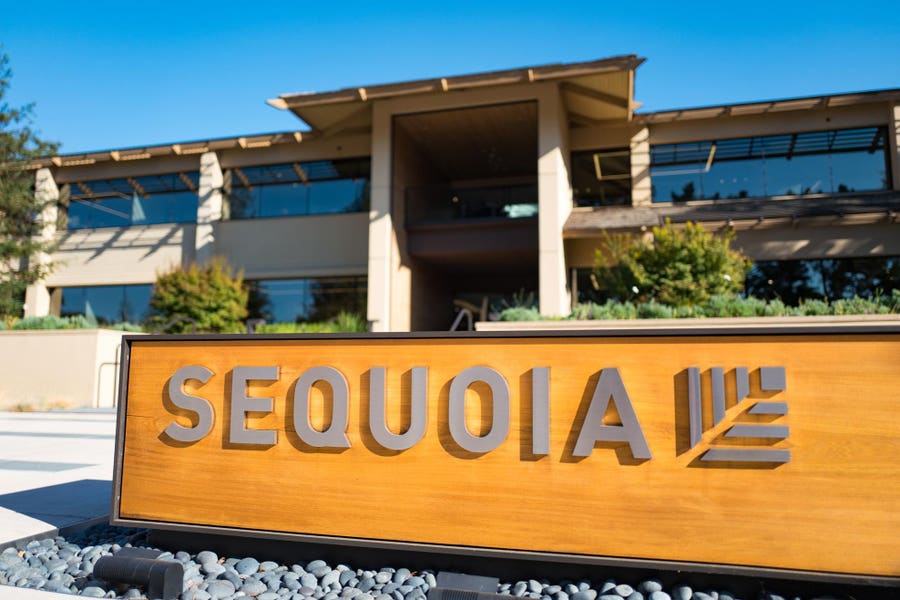
Sequoia Capital has long been a titan in the world of venture capital, but recent events have thrust the firm into a storm of controversy. A provocative statement made by one of its partners, Shaun Maguire, regarding New York mayoral candidate Zohran Mamdani, has led to significant fallout, including the resignation of COO Sumaiya Balbale. This unfolding drama not only highlights issues of free speech within corporate environments but also raises questions regarding the accountability of prominent investment firms like Sequoia Capital in sensitive socio-political contexts.
The Resignation of Sumaiya Balbale
In a striking consequence of the ongoing controversy, Sequoia Capital‘s COO, Sumaiya Balbale, who is known as a respected and influential figure within the company, stepped down due to what she described as an “Islamophobic atmosphere.” The catalyst for her resignation was Maguire’s inflammatory comments about Mamdani, which many interpreted as prejudiced and divisive. This situation emphasizes how vital corporate culture is in maintaining a level of respect and accountability, especially in high-stakes environments like the venture capital sector.
Maguire’s comments suggested that Mamdani, hailing from a community often subject to scrutiny, was inherently deceitful. Such assertions can have profound implications not only for the individuals involved but also for firms like Sequoia Capital, which has significant investments from major financial institutions and sovereign wealth funds, many from majority-Muslim countries. The backlash from the startup ecosystem was formidable, with over a thousand founders and tech professionals signing an open letter demanding action against Maguire.
The Impact of Disciplinary Decisions
The leadership at Sequoia Capital faced a difficult decision regarding how to approach Maguire’s comments. Instead of disciplinary action, they opted to maintain a stance of “institutional neutrality,” which allowed employees to express their political beliefs freely. This approach, while rooted in the ideal of protecting free speech, can often backfire, causing internal strife and alienation among both employees and investors. The dual nature of such policies poses critical questions about the extent to which firms should manage or moderate the expression of individual opinions and their potential impact on brand reputation.
- Could a more proactive approach change the firm’s internal dynamics?
- Would taking a clear stance against inflammatory remarks prevent future controversies?
According to reports, Managing Partner Roelof Botha attempted to mitigate damage by conducting a private meeting within the company, focusing on internal communications while refraining from public comments. This raises concerns: Is silence in the face of controversy an endorsement? Additionally, how should leaders navigate the fine line between individual rights and the broader corporate ethos?
Sequoia Capital’s Responsibility Towards Investors
The incident has reverberated beyond internal company discussions, affecting Sequoia Capital’s relationships with its investors. Many of the firm’s largest backers are sovereign wealth funds from the Middle East, potentially affected by Maguire’s comments. The alignment of a company’s values with those of its investors is crucial for maintaining trust and effective partnerships. Companies in positions similar to Sequoia Capital must consider how their actions—or inactions—can shape stakeholder perceptions and future investment opportunities.
As explored in our analysis of investment strategies, the set values of a venture capital firm play a significant role in guiding decisions that align with investor expectations. A misalignment can lead to loss of investor confidence, a scenario that no reputable investment firm desires. This highlights the need for a robust strategy to manage such conflicts within high-profile firms.
Free Speech and Corporate Culture
This unfolding issue raises the question of how Sequoia Capital will navigate the complexities of free speech in corporate environments. While supporting the expression of opinions is vital, firms must also ensure that their internal culture fosters an atmosphere of mutual respect and inclusivity. The views shared by Maguire may be rooted in personal beliefs, but when they intersect with broader societal issues, the implications can be significant for both the individual and the firm.
- How can firms balance free expression with a respectful workforce?
- What systems can be implemented to address such conflicts before they escalate?
The aftermath of Maguire’s comments and Balbale’s subsequent resignation serves as a case study for the industry. It’s crucial for leaders to strike a balance between supporting individual rights and maintaining the integrity and cohesion of the organization. Additionally, as seen with the growing role of AI in funding and operations, the evolving nature of technology can present new challenges in maintaining corporate ethics.
Conclusion: A Path Forward for Sequoia Capital
Moving forward, Sequoia Capital must take decisive action to address the ramifications of this incident. Transparency in communication about firm policies and a clear approach to handling similar situations will help restore confidence among employees and investors alike. By fostering a culture that values respect, accountability, and ethical practices, firms like Sequoia Capital can ensure they stand at the forefront of the venture capital landscape.
To deepen this topic, check our detailed analyses on Banking & Fintech section.