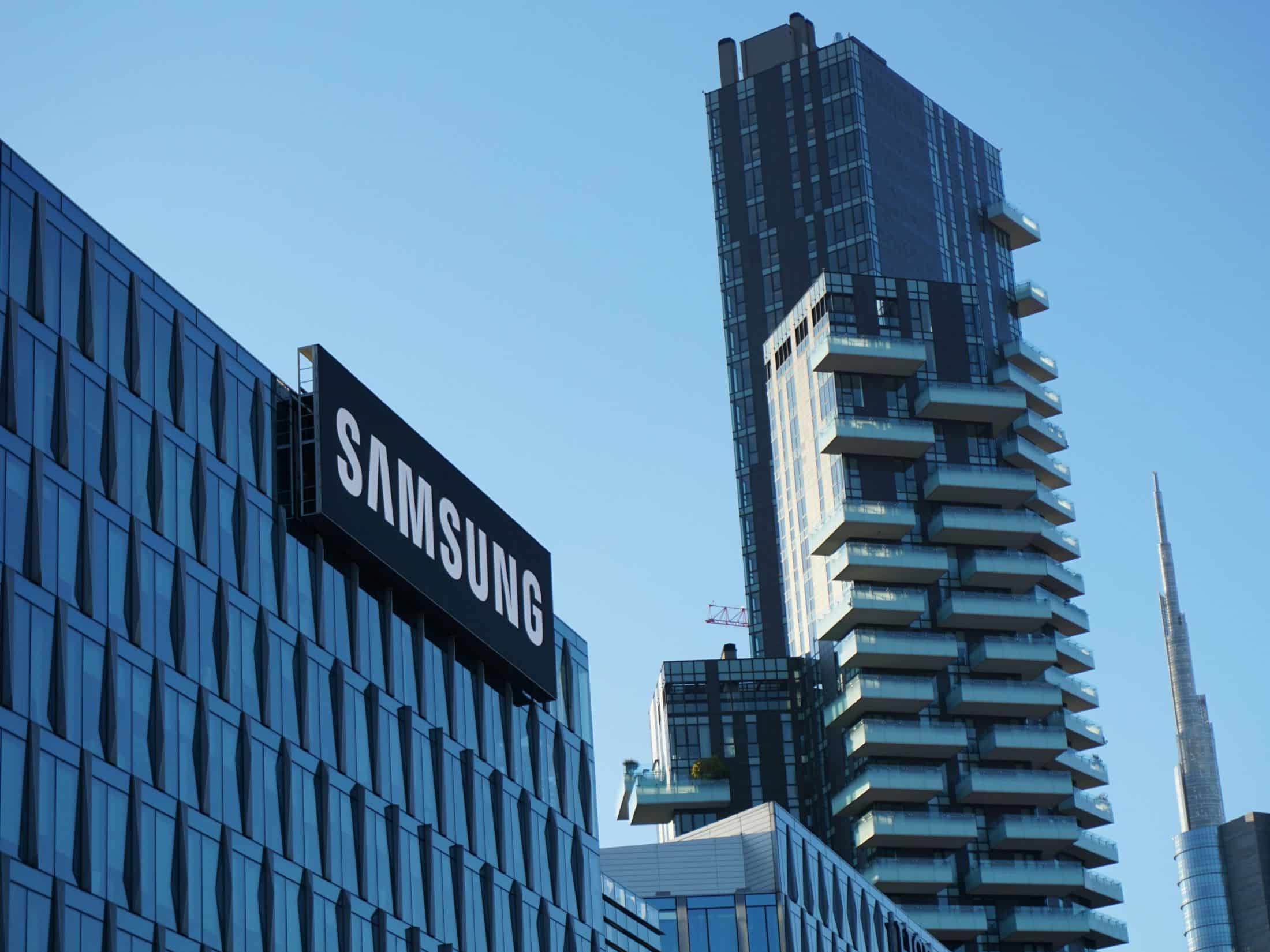
In a stunning turn of events, the Samsung semiconductor recovery has emerged as a beacon of hope for the tech giant after enduring substantial declines. As of the third quarter of 2025, Samsung reported an impressive operating profit of KRW 12.2 trillion ($8.6 billion), a significant increase from the prior quarter, effectively marking the end of four consecutive quarters of downturns in its chip division. With a calculated strategy and a favorable market dynamic, Samsung is well positioned to regain its footing in the competitive semiconductor landscape.
Revamping Strategies Behind Samsung’s Semiconductor Recovery
The robust performance in the third quarter did not happen overnight. Samsung’s recovery trajectory was built upon strategic pivots made during a challenging period for their semiconductor business. Before experiencing this resurgence, the company grappled with numerous challenges, including a severe glut in memory chips that caused prices to plummet, and delays in bringing high-bandwidth memory (HBM) products to market. Additionally, the company faced stiff competition, with SK Hynix taking the lead in the AI memory space.
However, Samsung’s recent achievements have been fueled by the dramatic demand for HBM3E chips crucial for artificial intelligence infrastructure. Sales of these chips, alongside server SSDs, propelled Samsung’s Device Solutions division to a remarkable revenue of KRW 33.1 trillion and an operating profit of KRW 7.0 trillion—an astronomical rebound from the previous quarter’s performance.
The questions that remained included whether these results were merely a reflection of a favorable market or whether Samsung had successfully recalibrated its approach to chip manufacturing. Analysts like MS Hwang have cited Samsung’s recovery as indicative of broader market conditions, but the company’s gains also demonstrate strategic improvements that elevated its market presence post-recovery.
Key Factors Fueling the Rebirth of Samsung’s Chip Division
The semiconductor recovery by Samsung is noteworthy for several pivotal factors, starting with its improved capabilities in HBM production. The transition of HBM3E into mass production and initial shipments of HBM4 samples to key clients signify a critical evolution. Reports suggest that Samsung has passed essential qualification tests with major players like Nvidia, enhancing their reputation and competitive edge in the market.
- Increased Demand: The continuing expansion of data center investments driven by AI needs is significantly boosting demand for server hardware.
- Pricing Power Reinstated: The favorable pricing environment coupled with reduced inventory costs has allowed Samsung to regain control over profit margins.
As highlighted in recent analyses, the semiconductor recovery story is more than just a market rebound. Samsung’s proactive approach to recalibrating its focus on high-demand sectors has positioned it favorably, leading to a reduction in operational costs and higher profit potential.
The Transformative Role of Advanced Technologies
The advancement in manufacturing processes also plays a crucial role in Samsung’s recovery. The Foundry Business division has improved its operations significantly. Samsung has ramped up mass production of next-generation chips like the 2-nanometer Gate-All-Around technology, which is essential in maintaining competitiveness against leading firms like TSMC.
Additionally, the company has reported record-high customer orders and is poised to begin operations at its Texas fab in 2026. This expansion will undoubtedly support the anticipated rise in demand, particularly for AI infrastructure.
Despite these advancements, challenges persist in other segments like the System LSI Business. Product offerings, including Exynos processors, have yet to gain momentum, reflecting the volatile nature of semiconductor demand driven by fluctuating customer inventories.
Looking Ahead: The Future of Samsung’s Semiconductor Sector
As Samsung gears up for 2026, its forecast reflects a strong belief in the sustainability of the semiconductor recovery. The Memory Business aims to scale up the production of HBM4 products, marking a continued focus on technology differentiation and demand scalability.
- Revenue Growth: Consolidated revenue reached KRW 86.1 trillion, up 15.4% from the previous quarter.
- Smartphone Contributions: Sales from the Device eXperience division, particularly through the Galaxy Z Fold7 launch, played a crucial role in driving profitability.
However, staying competitive against firms like SK Hynix and TSMC will be critical. Samsung must leverage its strategic advantages while navigating the complexities of global semiconductor demands.
In conclusion, the Samsung semiconductor recovery exemplifies how strategic execution and timely market adjustments can lead to resurgence even after challenging periods. The journey ahead requires diligence and innovation, but Samsung’s recent performance showcases its capacity to reclaim and enhance its market position amid evolving competition.
To deepen this topic, check our detailed analyses on Artificial Intelligence section
For more insights similar to those discussed, explore our articles on Samsung Galaxy XR, Galaxy Z Tri-Fold Innovation, and the future of Galaxy Z Trifold. Moreover, check out our best refurbished Samsung monitor deals, and anticipate the upcoming launch of Galaxy Buds 4 Pro.