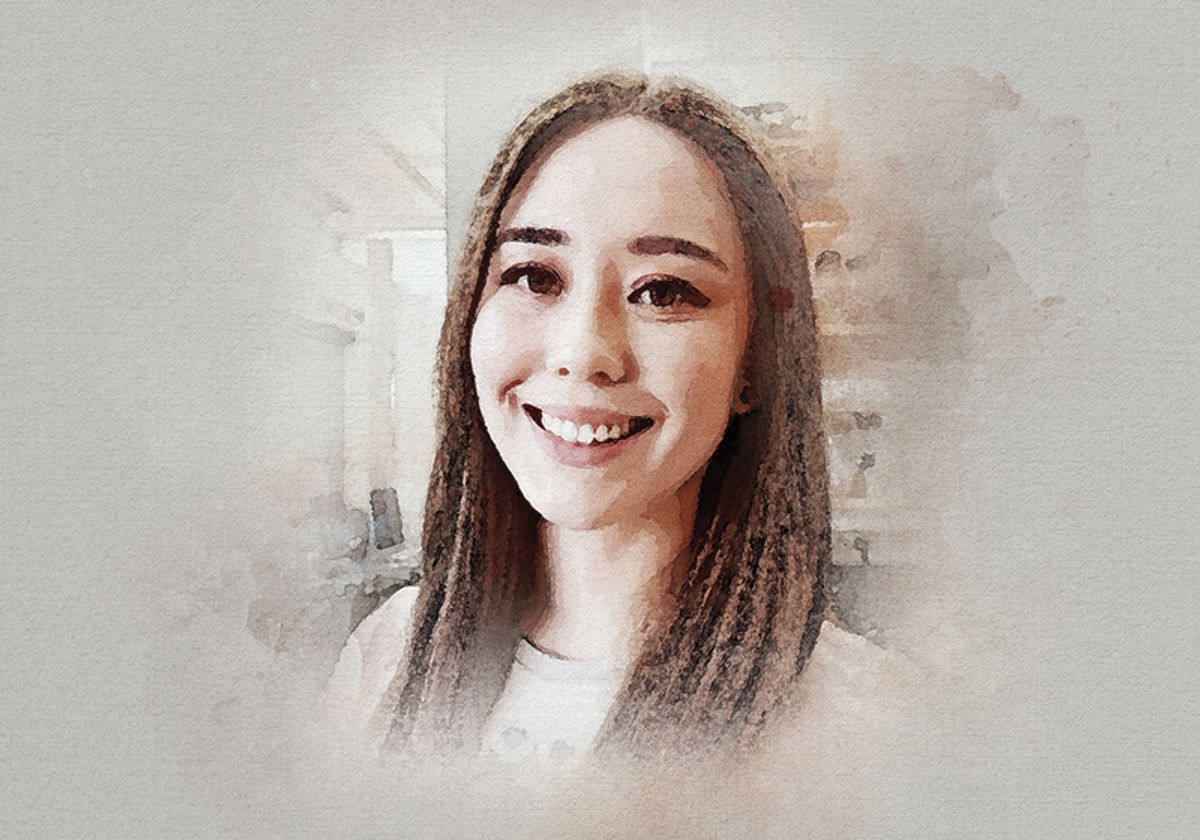
In the ever-evolving field of microbiology, researchers are continually uncovering fascinating insights into the microbial world that influences health and disease. One such researcher is Ruth Isenberg, a dedicated postdoctoral scholar whose work delves into the intricate interactions between gut and oral bacteria. Through her research at the University of Minnesota, she explores mechanisms that govern bacterial interactions, particularly focusing on how Enterococcus faecalis interacts with harmful pathogens. These findings not only shed light on bacterial behavior but also hold potential implications for public health. In this article, we will explore Ruth Isenberg’s remarkable journey and highlight her contributions to the field.
Unraveling Microbial Mysteries
Ruth Isenberg’s journey to her current role as a postdoctoral researcher began during her undergraduate studies. A course in microbiology at the University of Puget Sound ignited her passion for understanding how microbes, unseen by the naked eye, influence various aspects of our lives. This initial fascination propelled her into research, leading to a PhD in microbiology at the University of Wisconsin-Madison in Mark Mandel’s lab. There, she studied Vibrio fischeri, focusing on its colonization of the Hawaiian bobtail squid. This foundational research set the stage for her current exploration of Enterococcus faecalis.
Through her work, Isenberg looks into how Enterococcus faecalis, a bacterium often found in the gastrointestinal tract, interacts not only with its bacterial counterparts but also with human hosts. Her current research investigates a significant interaction with Streptococcus mutans, a known oral pathogen. Remarkably, Isenberg discovered that certain compounds produced by S. mutans can inhibit the growth of E. faecalis, a finding with potential therapeutic implications for treating hospital-acquired infections.
A Focus on Interaction Mechanisms
Ruth’s most exciting project involves characterizing the interactions between Enterococcus faecalis and S. mutans. One of her key findings highlights that S. mutans produces a compound called mutanobactin, which has shown the ability to kill E. faecalis. This research is vital because E. faecalis is known to cause severe infections in various body sites. Isenberg is currently working on isolating additional compounds from different strains of S. mutans that may also have antimicrobial properties against E. faecalis.
In her own words, she expresses the joy of mentoring undergraduate researchers who assist in these studies: “Watching them grow into independent researchers has been one of the most rewarding parts of being a scientist.” This mentorship not only enriches her projects but contributes to a dynamic learning environment that fosters innovation.
The Impact of Mentorship in Science
Isenberg is clear about the importance of nurturing the next generation of scientists. For her, involving undergraduate students in research has been an integral part of her scientific career. The contributions of her mentees have been featured in nearly every project she leads, solidifying the collaborative nature of modern science. This emphasis on mentorship and teaching reveals a commitment not just to her research but to the scientific community as a whole, with aspirations of becoming a professor in the future.
As seen in her project, the role of students in scientific advancements is crucial. Similar to strategies discussed in our analysis of personal branding for introverts, this synergy between mentoring and research is poised to create a ripple effect in academia, fostering a culture of inclusivity and innovation.
Looking Forward: Future Directions
As she progresses in her postdoctoral role, Ruth Isenberg remains eager to explore the broader implications of her research. The intersection of human health and microbial interactions is vital for developing new therapeutic approaches to combat infections, especially given the rise of antibiotic-resistant bacteria. By understanding these interactions, researchers like Isenberg contribute significantly to public health, a topic explored in our coverage of childhood infections and vaccines.
Moreover, her findings can contribute to fundamental science principles. For instance, similar studies in drug discovery emphasize the need for innovative solutions to complex health challenges. As Ruth continues her research, the potential for groundbreaking insights grows, demonstrating the importance of her work in the context of global health challenges.
Concluding Thoughts
Ruth Isenberg’s journey as a postdoctoral researcher is a compelling example of how passion and dedication can lead to significant insights and innovations in microbiology. Her work with Enterococcus faecalis and S. mutans reveals the hidden complexities of microbial interactions and their implications for human health. As we navigate through evolving health landscapes, the contributions of scientists like Ruth are invaluable. For additional perspectives on health challenges, explore our article on breast cancer in younger adults for more insights into critical health topics.
To deepen this topic, check our detailed analyses on Public Health section