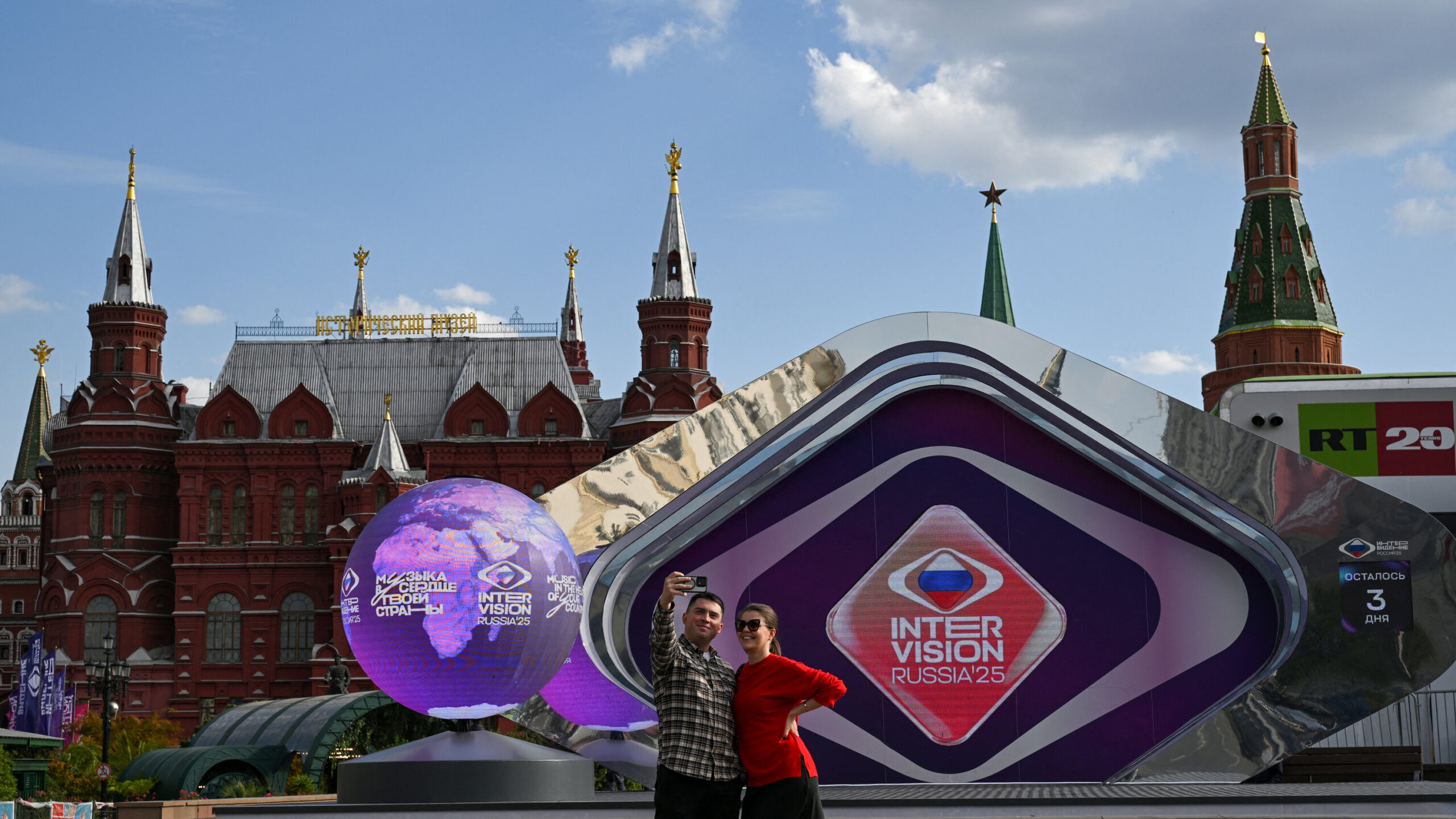
In a surprising turn of events, the revival of the **Intervision Song Contest** has ignited both excitement and intrigue, shedding light on Russia’s ambitions to foster cultural ties amidst a backdrop of political tension. The recent event in Moscow showcased not only the power of music but also the undercurrents of geopolitical dynamics, as various nations participated in a contest that harkens back to the Cold War era. This revival, highlighted by Duc Phuc’s captivating victory, serves as a reminder of how cultural initiatives can transcend political boundaries, while also reflecting the challenges posed by international relations. The **Intervision Song Contest**, which brought together artists from countries as diverse as Vietnam, China, Cuba, and India, underscores the significance of art as a platform for dialogue and connection in an increasingly divided world.
The Historical Significance of the Intervision Song Contest
The **Intervision Song Contest** is not just a nostalgic nod to a bygone era; it represents a strategic move by Russia to strengthen alliances with non-Western countries. This event traces its roots to the 1970s and served as a platform for Eastern Bloc nations to showcase their musical talent while simultaneously contesting the Western cultural hegemony. By bringing back this contest, Russia aims to foster a sense of unity among these nations, countering the Western influences that dominate global media.
- Revived Cultural Connections: The contest re-establishes links among countries that were once rivals.
- Fostering Soft Power: A successful cultural event enhances Russia’s image and influence globally.
Duc Phuc, the Vietnamese pop star who won with his song “Phù Đổng Thiên Vương” (“Heavenly Prince of Phù Đổng”), not only embodied the artistic spirit of the event but also showcased Vietnam’s rich cultural heritage. His victory further emphasizes the notion that music can serve as a powerful tool for diplomacy.
Politics and Participation: A Cautionary Tale
The **Intervision Song Contest** was expected to feature a diverse range of musicians, with competitors spanning multiple continents. However, the absence of Australian artist Vassy points to the challenges of integrating politics and art. Citing “unprecedented political pressure” from Australia, Vassy’s withdrawal illustrates how external factors can inhibit creative expression. This situation raises vital questions about artistic freedom in the face of political integrity.
- Art vs. Politics: The delicate balance artists must navigate between self-expression and geopolitical realities.
- Global Response: The international community’s reaction to the intertwining of art and politics.
As Alexey Vorobyov, one of the event’s presenters, poignantly remarked, “It’s sad when politics attempts to interfere in the world that belongs to art, music, and human feelings.” This statement captures the essence of the tension between governance and art, a recurring theme in political discourse.
Global Implications and Future of the Intervision Song Contest
The revival of the **Intervision Song Contest** brings forth a mix of possibilities and challenges for international collaboration in the arts. As nations rally to participate, the event could serve as a launching pad for cultural diplomacy on a larger scale.
By inviting artists from various countries, Russia positions itself as a hub for cultural exchange and soft power. However, future iterations of the contest will need to navigate the complexities of international relations.
- Potential for Growth: As more countries express interest, the contest can expand its reach and influence.
- Cultural Bridge Building: The contest may facilitate dialogue among nations with differing political ideologies.
The strategic use of soft power through cultural events like the **Intervision Song Contest** highlights the delicate interplay between art and politics as nations seek to redefine their global narrative.
Conclusion: The Bridge Between Culture and Politics
The **Intervision Song Contest** stands as a testament to the enduring relevance of cultural diplomacy in today’s politically charged landscape. Russia’s revival of this event not only seeks to rekindle historical ties but also challenges contemporary artists and nations to engage with one another through the universal language of music. As seen with the impressive performance of Duc Phuc, art continues to transcend boundaries, offering hope even in these trying times.
To deepen this topic, check our detailed analyses on Music section