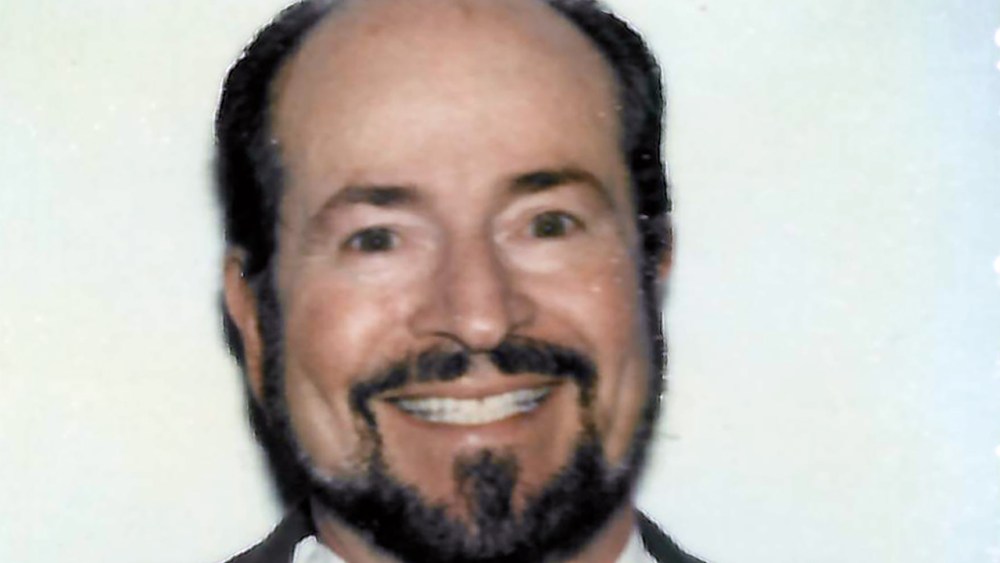
An emotional farewell marks the end of an era as the entertainment world remembers Ron Friedman, a legendary writer who shaped iconic animated series and more. Friedman, who passed away at 93 on September 15, left behind a profound legacy, contributing his talent to major projects like “Transformers” and “G.I. Joe: A Real American Hero.” Did you know that his prolific career spanned over 700 hours of primetime television writing? This staggering figure underscores his influence in shaping beloved childhood memories and cherished adult classics. Readers will find value in discovering more about his life, legacy, and the impact of his work, especially for those who hold a special place in their hearts for animated storytelling and classic TV shows.
Celebrating the Life of Ron Friedman
Ron Friedman was not just an ordinary screenwriter; he was a visionary. Born in 1932 in West Virginia, he spent his formative years in Pittsburgh, Pennsylvania. His passion for storytelling began at Carnegie Mellon University, where he earned a B.A. in Architecture. Little did he know, his journey would lead him to craft stories that would resonate with generations.
Friedman’s contributions to television were multifaceted, encompassing a range of beloved shows. Some of his renowned works include “The Andy Griffith Show,” “Bewitched,” and “Gilligan’s Island.” These shows remain significant to this day, showcasing his ability to write engaging content that captivates audiences. His career highlights not only emphasize his talent but also his versatility as a writer in a transforming industry.
It’s worth noting that Friedman garnered a Primetime Emmy Award nomination in 1966 for his work on “The Danny Kaye Show,” a testament to his prowess in delivering quality entertainment. As we delve into the scope of Friedman’s career, his transformative impact on animated series cannot be overlooked.
Impact of Ron Friedman’s Writing on Animated Series
As an integral figure in the animated series landscape, Ron Friedman made a significant mark with projects such as the original “G.I. Joe: A Real American Hero” and the groundbreaking “Transformers: The Movie” from 1986. These series not only entertained millions but also became cultural cornerstones.
Friedman’s writing infused life into complex characters and thrilling narratives. His ability to blend action with emotional depth created a unique viewing experience, resonating with both children and adults. For instance, “G.I. Joe” stood out with its combination of action-packed storytelling and moral lessons, a critical aspect that kept viewers engaged.
The success of “Transformers” further illustrates his impact. The movie not only introduced fans to a world of transformation and heroism but also cemented a franchise that continues today. Similarly, as explored in our analysis of the economic impacts of media trends, Friedman’s storytelling resolved to keep narratives relevant and engaging.
Friedman’s Evolution and Influence on Modern Television
Throughout his impressive career, Friedman adapted to the changes in television, seamlessly transitioning from live-action shows to animation. In addition to his work on “G.I. Joe,” he contributed to the 1994 “Fantastic Four” series and worked on the others under the Marvel umbrella. His legacy is not confined to a single genre but spans various formats, highlighting the evolution of entertainment through his lens.
These contributions paved the way for contemporary animated series, which continue to draw inspiration from his pioneering work. With a knack for storytelling, Friedman proved that narratives could merge action and heart—a quality essential for today’s audiences. A recent example is the resurgence of storytelling techniques discussed in posts such as the legacy of impactful storytelling in media.
Remembering Ron Friedman: A Lasting Legacy
As we remember Ron Friedman, it is essential to reflect on the joy he brought into countless homes. From family-friendly comedies to action-packed animated series, his work resonates with many audiences worldwide. His sudden passing from cardiopulmonary arrest at the Motion Picture and Television Fund in Woodland Hills signals the end of an era, but his influence will continue to shine brightly.
Friedman is survived by his beloved wife, Val, and a legacy enriched by the thousands of viewers who cherished his creations. As audiences reminisce about their favorite characters, we recognize the significant role Friedman played in shaping the landscape of television and animation.
The Future of Animation and Inspiration from Ron Friedman
Looking ahead, the world of animation and storytelling will carry the torch lit by Friedman. The industry continues to evolve, embracing new technologies and platforms. Yet, the essence of storytelling—a legacy rooted in Friedman’s work—remains fundamental to success.
Writers today can draw inspiration from Friedman’s dedication to character development, plot depth, and the significance of engaging narratives. Just as Friedman influenced his contemporaries, emerging writers will hopefully inspire new generations, keeping his spirit alive. His work on shows like “Happy Days” and “Starsky and Hutch” serves as a reminder that great storytelling crosses generational barriers.
For those wanting to explore more about the evolving landscape of entertainment, check out our insights into the challenges presented by rising media costs, akin to the topics discussed in our take on retirement and transitions in creative careers.
To deepen this topic, check our detailed analyses on Movies & TV Shows section