In recent years, the concept of rent-to-own homes Uganda has gained traction, particularly as an innovative solution for families seeking sustainable housing opportunities. It’s a surprising statistic that over 60% of women in Uganda face housing insecurity after the death of their male relatives, compelling many to seek alternative housing options. For many, this has meant embracing innovative solutions such as the rent-to-own model, which aims to empower families while providing them with the stability they need. This article delves into the transformative potential of the rent-to-own housing model in Uganda, particularly for women, and explores how initiatives like Smart Havens Africa are changing lives.
Understanding Rent-to-Own Homes in Uganda
The idea behind rent-to-own homes Uganda is simple yet powerful. Households can rent a property while simultaneously working towards owning it. This model addresses two critical issues: affordability and security of tenure. Families, especially those headed by women, often struggle to save enough for a down payment on a house, making traditional buying routes impossible. With rent-to-own, every rent payment helps build equity, anchoring families in stable communities.
This scheme allows tenants to live in a home as renters for a designated period, typically 8–10 years, during which their monthly rental payments contribute to the eventual purchase of the property. This innovative approach can make the dream of homeownership a reality for many, particularly for women who, historically, have been disenfranchised from property ownership due to cultural barriers and legal restrictions.
The Impact of Women-Led Initiatives
Organizations like Smart Havens Africa have been at the forefront of this movement. Co-founded by Anne Rweyora in 2018, this initiative focuses specifically on providing rent-to-own homes Uganda for women. Rweyora’s motivation stems from her personal experiences with housing insecurity after her father’s death. She recognized the dire need for affordable housing solutions that empower women to secure both homes and their futures.
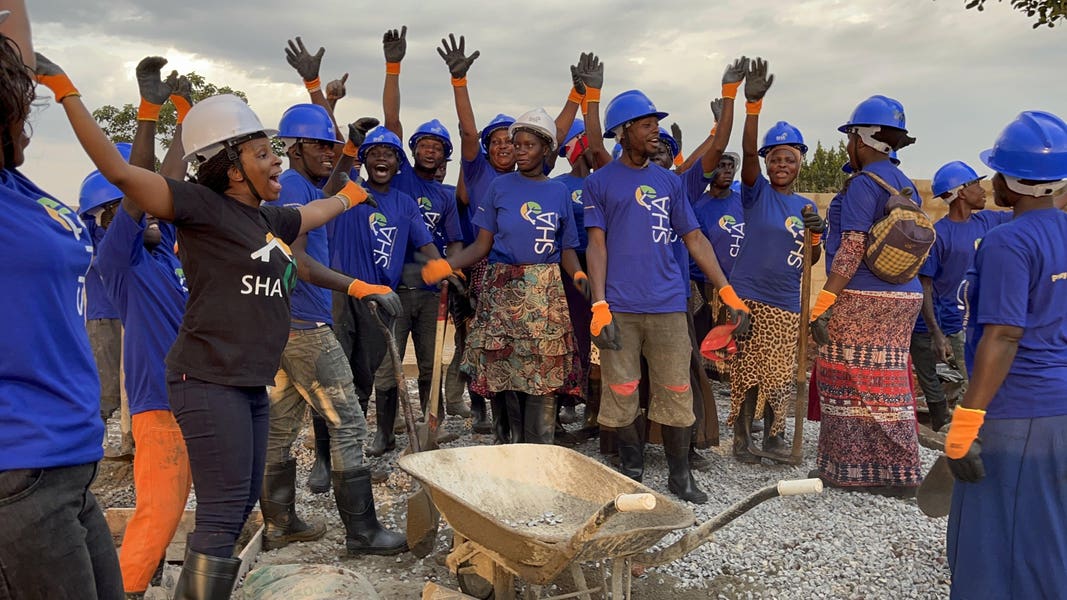
Smart Havens Africa builds homes using sustainable materials, ensuring that the housing solutions provided are not only affordable but also environmentally friendly. By prioritizing families led by women, they are shifting the paradigm of homeownership, allowing these women to accumulate equity and become financially independent. This empowerment leads to improved living conditions, better educational outcomes for children, and enhanced health status.
Sustainable Building Practices and Future Goals
Not only does Smart Havens Africa provide rent-to-own homes Uganda, but it also prioritizes sustainability in construction. Using locally sourced materials, the homes are built with interlocking bricks that reduce construction emissions and costs. This sustainable building approach also fosters local job creation, particularly among women and youth.
With plans to expand throughout East Africa, Rweyora aims to build 1,000 homes annually, further cementing the positive impact of this housing model. By incorporating sustainable practices into their building process, they not only meet the immediate need for housing but also contribute to long-term environmental wellness in the communities they serve.
The Long-term Benefits of Housing Stability
The ripple effects of homeownership extend far beyond individual families. Reports indicate that families residing in stable housing experience fewer health issues and improved educational performance among children. With fewer moves and disruptions, children are more likely to stay in the same school, which significantly aids their educational progress. In many cases, parents are able to spend more time and resources on their children’s education, fostering a healthy and flourishing future.
Rent-to-own homes Uganda can transform lives by providing the security and stability that families need to thrive. The success stories emerging from these initiatives spotlight the profound social changes made possible through sustainable housing solutions.
Collaborative Efforts to Expand Opportunities
Collaboration among various stakeholders is crucial in expanding the reach of the rent-to-own homes Uganda model. Partnerships between organizations, local governments, and the residents themselves can foster a holistic approach to housing solutions. For instance, financial institutions can play a pivotal role by offering tailored financing models that work hand-in-hand with the rent-to-own program.
A notable example of effective collaboration can be observed in the work of Smart Havens Africa, where processes are designed to prioritize community needs while ensuring sustainable growth. These partnerships not only enhance resource accessibility but also amplify the positive impact of housing initiatives on community development.
To deepen this topic, check our detailed analyses on Entrepreneurship section.
To deepen this topic, check our detailed analyses on Entrepreneurship section
Investing in rent-to-own homes Uganda is not just a personal journey toward ownership; it is a societal shift towards equity and empowerment. By fostering programs that prioritize women and sustainable practices, we can create a future where homes serve as a foundation for both financial stability and community resilience.
Explore housing initiatives similar to strategies discussed in our analysis of affordable housing.
For insights on real estate trends, see our article on the best time to buy real estate.
Learn more about affordable housing initiatives.
Additional statistics on social issues can help contextualize the need for housing.
Uncertainty strategies can inform approaches to modern housing solutions.