When it comes to heart health, many people are concerned about the impact of dietary fats on their cholesterol levels. One common question is, how does peanut butter affect cholesterol? Surprisingly, despite its rich fat content, peanut butter can actually be beneficial for cholesterol levels when consumed in moderation and the right type. Incorporating peanut butter into your diet might support heart health, mainly because of the healthy fats and fiber it provides. In this article, we will explore the relationship between peanut butter and cholesterol, and what you should consider when adding this delightful spread to your meals.
Understanding Peanut Butter and Cholesterol Levels
Peanut butter is known for its rich, creamy texture and versatility in recipes and snacks. But its effect on cholesterol is what draws significant attention. Registered dietitian Jackie Newgent states, “Thanks to its healthful fat ratio, including a natural, minimally processed peanut butter in a heart-friendly eating plan may help boost HDL, or good cholesterol, while potentially lowering LDL, or bad cholesterol.” This is particularly true when peanut butter replaces higher saturated or trans fat foods in your diet.
Why does this happen? The answer lies in the composition of peanut butter. It contains healthy fats such as monounsaturated and polyunsaturated fats that contribute positively to your heart health by lowering LDL cholesterol levels. Additionally, peanut butter provides plant-based protein and certain nutrients that can enhance your overall dietary experience.
The Health Benefits of Peanut Butter for Your Heart
1. **Rich in Healthy Fats:** Peanut butter is a great source of unsaturated fats. These fats are healthier choices compared to saturated fats, which are typically found in animal products. Including more unsaturated fats in your diet is a wise choice for heart health, as research indicates that they can help reduce bad cholesterol levels.
2. **Contains Dietary Fiber:** A standard two-tablespoon serving of peanut butter provides about 2 grams of fiber. This fiber plays an essential role in managing cholesterol levels by limiting its absorption during digestion. Fiber helps to promote a feeling of fullness, which can aid in weight management and overall health.
3. **Packed with Plant Sterols:** Peanut butter also includes plant sterols—natural compounds that help lower blood cholesterol levels by inhibiting cholesterol absorption. This is a noteworthy feature for anyone looking to manage their cholesterol levels effectively.
4. **Versatile Ingredient:** Peanut butter is not just a spread for sandwiches. It can be incorporated into numerous dishes, adding flavor and texture while offering health benefits.
Things to Watch Out for When Choosing Peanut Butter
While peanut butter can be a heart-healthy choice, it’s essential to make informed selections. Here are some tips to keep in mind when choosing peanut butter:
– **Portion Control:** Peanut butter is dense in calories; thus, consuming large amounts can lead to excess calorie intake. A standard serving is about 2 tablespoons, and keeping portion sizes reasonable is important for maintaining a balanced diet.
– **Avoid Additives:** Opt for peanut butter made from 100% peanuts. Many commercial brands add sugars, salts, or hydrogenated oils, which can counteract the health benefits of natural peanut butter. Excessive sugar and salt can lead to elevated triglyceride levels and increased blood pressure.
– **Stay Away from Trans Fats:** Some peanut butter products may contain partially hydrogenated oils, which can increase LDL cholesterol levels. Always check the ingredient label for these unhealthy additives.
Creative Ways to Incorporate Peanut Butter into Your Diet
With its delightful flavor and health benefits, incorporating peanut butter into your diet is easier than you think. Here are several suggestions:
- Smoothies: Add a spoonful of peanut butter to your morning smoothie for added protein and healthy fats.
- Oatmeal: Stir peanut butter into your oatmeal for a satisfying breakfast that keeps you full.
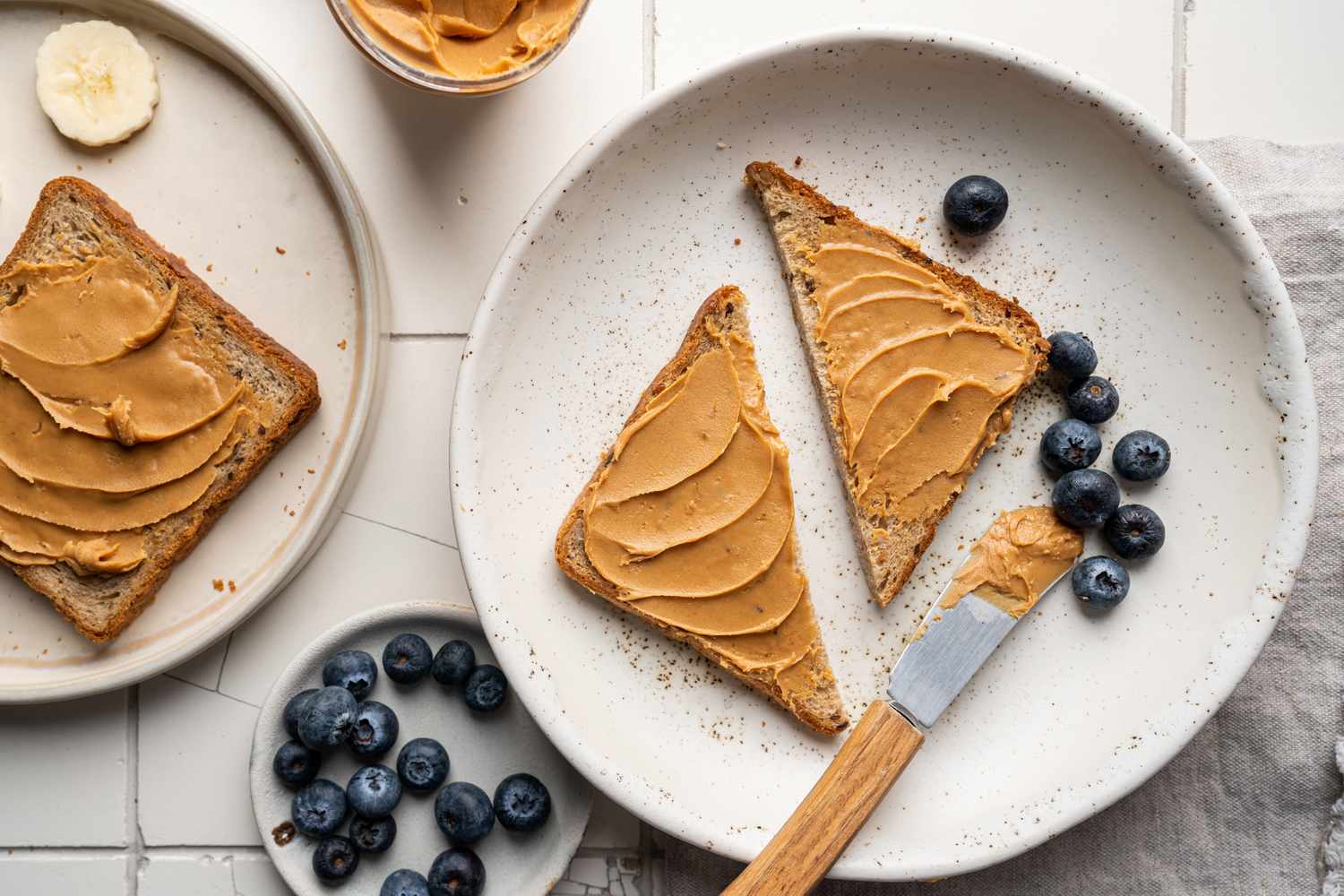
- Toast: Spread it on whole-grain toast for a classic and energizing snack.
- Popcorn Topping: Drizzle melted peanut butter over popcorn for a nutritious alternative to butter.
Final Thoughts on Peanut Butter and Cholesterol
The relationship between peanut butter and cholesterol is a reassuring one. When chosen wisely and consumed in moderation, peanut butter can support heart health by positively influencing cholesterol levels. With its healthy fats, plant sterols, and fiber, it’s an excellent dietary inclusion. Just remember to avoid processed varieties high in added sugars and oils.
If you’re interested in further exploring this topic, consider checking out our detailed analyses on Food & Recipes section for more heart-healthy ideas.
To deepen this topic, check our detailed analyses on Food & Recipes section