In a striking turn of events, Paramount Skydance has reported a significant Q3 loss largely due to ongoing revenue shortfalls in both television advertising and distribution. This financial setback marks a crucial moment for the conglomerate, which controls major platforms like CBS and Paramount+. The company is grappling with an increase in operational challenges as viewership shifts from traditional linear broadcasts to on-demand video services. With pro forma revenue declining by 3% to approximately $6.1 billion, the implications for Paramount’s business model are substantial. As we delve deeper into the reasons behind the Paramount Skydance Q3 loss, it’s crucial to explore what strategies the company plans to implement to navigate this turbulent landscape.
Understanding the Causes Behind the Paramount Skydance Q3 Loss
The Paramount Skydance Q3 loss can be attributed to several key factors affecting both TV advertising and distribution avenues. Paramount’s revenue from TV ads fell by a staggering 12%, while distribution fees took a hit, decreasing by 7% during the same period. These losses highlight the prevailing trends that have hampered not just Paramount but the wider media industry as traditional viewing habits evolve. Analysts suggest that the exodus of audiences from linear television necessitates a strategic pivot towards more innovative and flexible content delivery options.
- Declining Linear TV Audiences: With audiences migrating to streaming platforms, maintaining viewer engagement is increasingly difficult.
- Impact on Advertising Revenues: The downturn in TV ad sales directly affects revenue streams, putting further strain on the financial landscape.
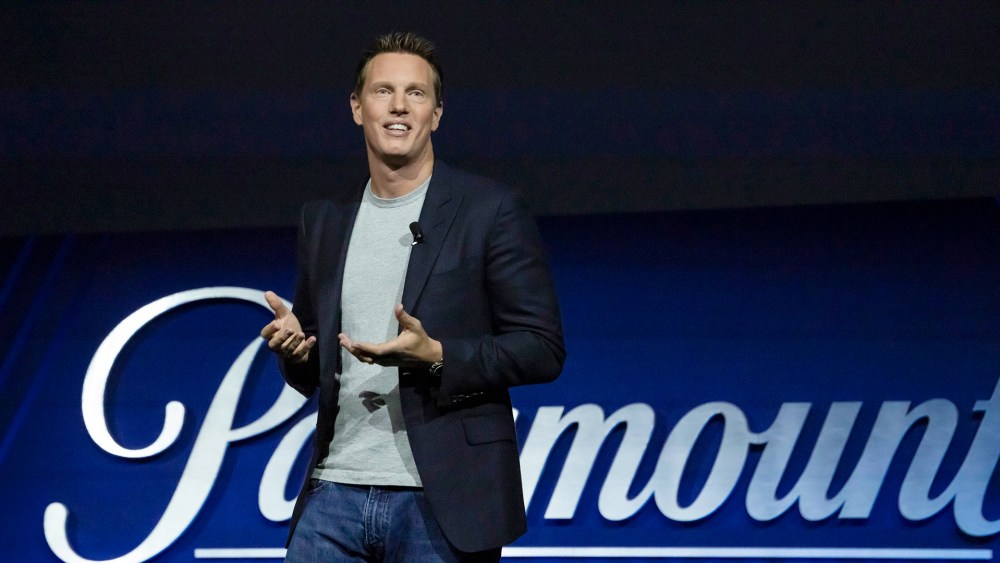
In light of these challenges, CEO David Ellison has expressed commitment to augmenting the content budget by an impressive $1.5 billion by 2026. This strategic decision aims to counterbalance the losses and reinvigorate the brand’s offerings across multiple channels.
Future Strategies and Opportunities to Mitigate Losses
The Q3 loss has prompted Paramount to reassess its business strategy, particularly its approach to digital content creation and distribution. A critical aspect of their plan is to invest heavily in streaming capabilities, aiming to position themselves as a formidable competitor to industry giants like Netflix and Amazon.
Key initiatives include:
- Increased Content Production: By prioritizing original programming and acquiring content rights, Paramount hopes to attract and retain subscribers.
- Enhancements in Technology: Improving digital technology will streamline user experience and bolster the attractiveness of Paramount’s streaming services.
Moreover, in a recent letter to shareholders, the company set ambitious targets, projecting a total revenue of $30 billion by 2026. This projection comes with promises of incremental programming investments exceeding $1.5 billion, aimed at revitalizing both TV and streaming content.
Internal Measures: Workforce and Structural Adjustments
As part of the strategy to address the Paramount Skydance Q3 loss, the company has announced its intention to streamline operations. This includes significant workforce reductions, with about 1,000 employees already laid off and an anticipated additional 1,600 in the pipeline due to divestitures in certain international markets like Argentina and Chile. Such tough measures underscore the urgent need for Paramount to recalibrate its operational focus in the face of evolving market demands.
According to Robert Fishman, a media analyst at MoffettNathanson, Paramount must slow the decline of its linear assets and related cash flow to see its direct-to-consumer (DTC) strategy gain traction. The real question is whether this strategy can succeed in the midst of the ongoing upheaval in how consumers access media.
Investment in Digital Strategies
Amid the Q3 loss, the leadership at Paramount has emphasized the importance of developing a robust streaming business. Major investments include a $7.7 billion agreement over seven years with the TKO Group for UFC broadcast rights and the acquisition of conservative media outlet The Free Press for $150 million. These steps not only enhance content diversity but also solidify Paramount’s position in a competitive landscape.
As the media consumption landscape shifts, these investments signify Paramount’s commitment to adapting and growing its market share.
Conclusion: Navigating a Challenging Environment
As Paramount Skydance faces the fallout from its recent Q3 loss, the path ahead involves a multifaceted approach to restructuring and investment. With strategic decisions aimed at enhancing content offerings, improving digital technology, and reducing operational costs, the organization is taking steps necessary to navigate its future. The upcoming years will be crucial as the media landscape continues to transform, and how well Paramount adapts could dictate its success or failure.
To deepen this topic, check our detailed analyses on Marketing & Advertising section