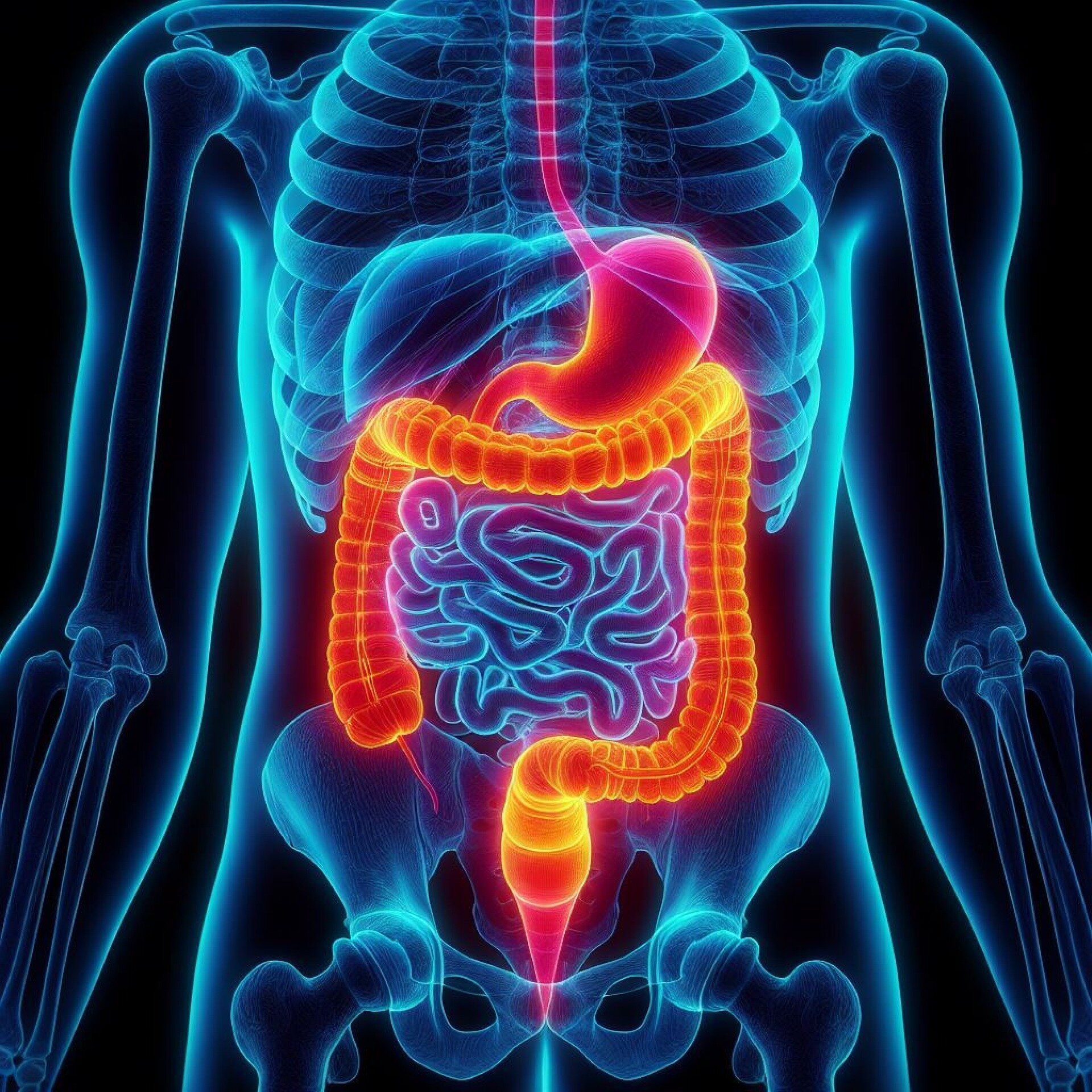
In a groundbreaking study, researchers from McMaster University and the Massachusetts Institute of Technology (MIT) have unveiled a remarkable advancement in the treatment of inflammatory bowel diseases (IBD). They have discovered a novel antibiotic specifically designed to target these conditions, and intriguingly, artificial intelligence (AI) played a pivotal role in predicting its mechanisms before laboratory validation. This development is not just a scientific milestone—it’s a beacon of hope for millions suffering from debilitating conditions like Crohn’s disease. As we explore the implications of this novel antibiotic IBD, we promise valuable insights into its potential impact on treatment pathways.
The Promise of Targeted Treatment: Enterololin’s Unique Approach
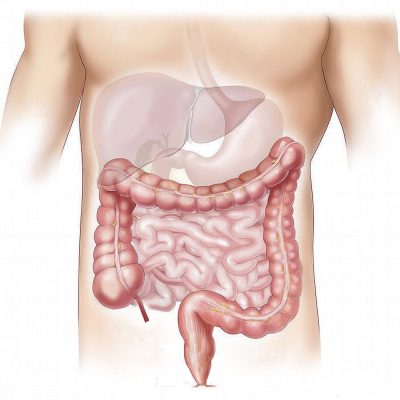
Current antibiotics are typically broad-spectrum, which means they can eradicate both harmful and beneficial bacteria in the gut. This indiscriminate action can lead to adverse effects, including the growth of drug-resistant bacteria like E. coli. Enterololin, the new antibiotic developed in this research, is a narrow-spectrum agent. It specifically targets a family of bacteria known as Enterobacteriaceae—including E. coli—without harming the gut’s beneficial microbiome. This targeted approach not only has the potential to alleviate symptoms of IBD more effectively but could also mitigate the risk of developing antibiotic resistance.
AI: Revolutionizing Drug Discovery
The integration of AI in drug development represents a transformative shift in biomedical research. Traditionally, understanding a drug’s mechanism of action (MOA) has been a time-consuming and costly process. Stokes and his team managed to perform the MOA study for enterololin in just six months, at a fraction of the usual cost, by employing AI algorithms designed to predict drug action. This is a massive leap from the traditional timeline, which could take up to two years and cost around $2 million.
By collaborating with MIT’s Computer Science and Artificial Intelligence Lab, the researchers were able to streamline their processes. As Jon Stokes elaborates, using AI not only expedited the exploration of chemical space but also facilitated essential insights into the drug’s action against specific bacterial proteins vital for their survival.
Transforming Lives with Novel Antibiotic IBD
The introduction of a novel antibiotic IBD like enterololin could potentially change the lives of millions diagnosed with IBD. Currently, there are no cures for these conditions, leaving patients with symptom management as their only option. The advancement of enterololin shows promise in significantly improving patient quality of life, as emphasized by Stokes: “We currently have no cure for these conditions, so developing something that might meaningfully alleviate symptoms could help people experience a much higher quality of life.”
- Potential reduction in debilitating symptoms associated with IBD.
- Minimized risk of developing drug-resistant bacterial strains.
Looking Ahead: From Laboratory to Patients
Stokes’ spin-out company, Stoked Bio, has already licensed enterololin and is working towards optimizing it for human trials. The early indications are promising, showing efficacy against other drug-resistant bacteria, such as Klebsiella. If successful, clinical trials could commence within three years, resulting in a much-needed treatment option for IBD patients.
This rapid progression highlights the urgent need for innovative solutions in the fight against antibiotic resistance. As Stokes aptly puts it: “Drug resistance and our lack of new drugs is a leaky faucet.” The collaboration between human researchers and AI technology is central to fixing this leak before it escalates into a broader public health crisis.
Conclusion: The Future Looks Bright for IBD Patients
As we stand on the brink of a new era in antibiotic development, the emergence of novel antibiotic IBD treatments like enterololin serves as a reminder of the potential that lies within the synergy of science and technology. The application of AI not only enhances drug discovery but opens up new avenues for effective treatments that may one day provide relief to countless patients.
To deepen this topic, check our detailed analyses on Medical Innovations section