In today’s kitchen, the convenience of nonstick cookware is widely appreciated. However, the question of nonstick cookware safety looms large among health-conscious consumers. Surprising as it may seem, evidence suggests that many nonstick products contain harmful substances known as “forever chemicals.” These man-made compounds, found in materials like polytetrafluoroethylene (PTFE) and perfluorooctanoic acid (PFOA), can raise alarms about potential health risks. Nonetheless, understanding these risks and finding suitable alternatives allows you to enjoy the benefits of nonstick cookware without compromising your health.
Understanding Forever Chemicals and Their Impact on Nonstick Cookware Safety
“Forever chemicals” refer to a group of synthetic compounds resistant to environmental degradation. Commonly known as PFAS (per- and polyfluoroalkyl substances), they impart water- and grease-repellent properties to various products, including nonstick cookware. Research indicates that these chemicals can accumulate in human bodies and the environment, raising significant health concerns. A growing body of evidence suggests links between PFAS exposure and health risks, including fertility issues, developmental delays in children, and certain types of cancer.
Best Alternatives for Nonstick Cookware Safety
If you want to avoid the risks associated with traditional nonstick cookware, consider these alternatives that maintain nonstick cookware safety without harmful chemicals:
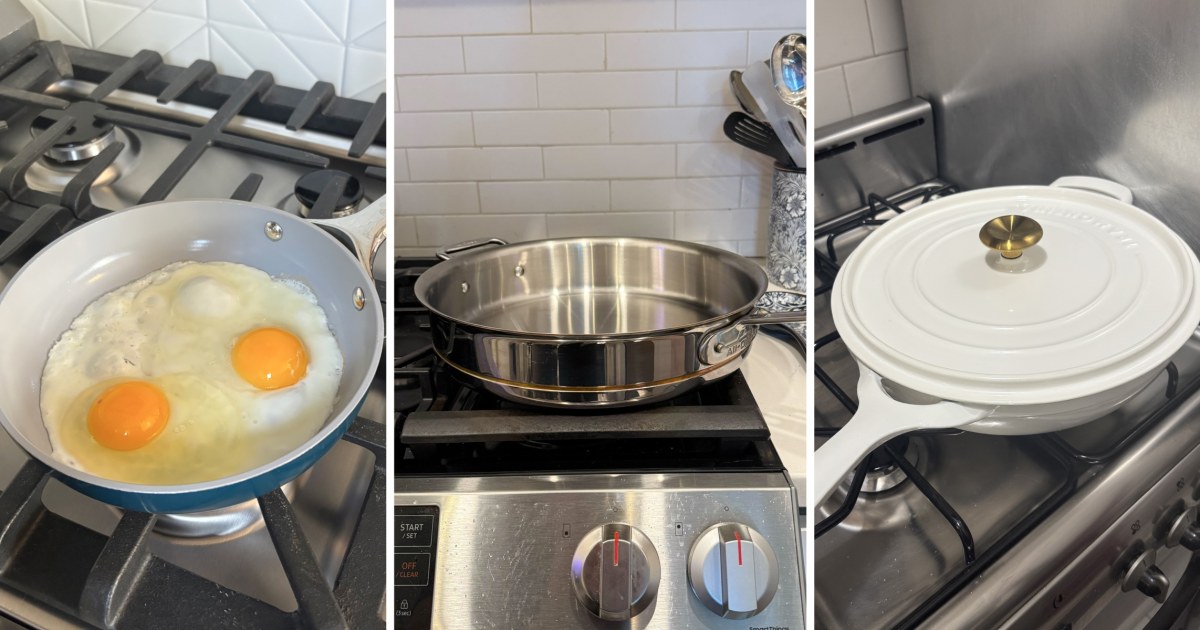
- Stainless Steel: While not inherently nonstick, proper cooking techniques allow you to achieve great results.
- Ceramic-Coated Cookware: This type typically uses a mineral-based coating, offering nonstick properties without the chemicals associated with traditional options.
- Cast Iron: When seasoned correctly, it develops a natural nonstick surface that can last for generations.
For example, many consumers have discovered the benefits of Caraway’s Nonstick Ceramic Frying Pan, which is crafted without harmful chemicals and provides excellent cooking performance. Clean-up is straightforward, but it’s important to use the right utensils to prolong its life.
Safety Tips for Using Nonstick Cookware
- Avoid heating nonstick cookware over 500 degrees Fahrenheit to prevent chemical release.
- Use wooden or silicone utensils to avoid scratching the nonstick surface.
- Gently hand-wash your cookware instead of putting it in the dishwasher.
- Replace any chipped or worn nonstick cookware to minimize the risk of chemical leaching.
Legislative Changes on Nonstick Cookware Safety
Interestingly, some states are moving to ban the sale of products containing PFAS. For instance, Minnesota has prohibited the sale of cookware with intentionally added PFAS starting January 1, 2025. Similar laws are being enacted in states like California and Vermont, aimed at aligning public health practices with evolving understandings of chemical safety. These changes exemplify the shift towards proactive approaches to nonstick cookware safety.
Final Thoughts on Nonstick Cookware Safety
Understanding nonstick cookware safety is crucial for informed decision-making in your kitchen. With the availability of safer alternatives and ongoing legislative changes prohibiting harmful chemicals, you can cook with peace of mind. Embracing these alternatives means you can enjoy hassle-free cooking without risking your health.
To deepen this topic, check our detailed analyses on Beauty & Skincare section