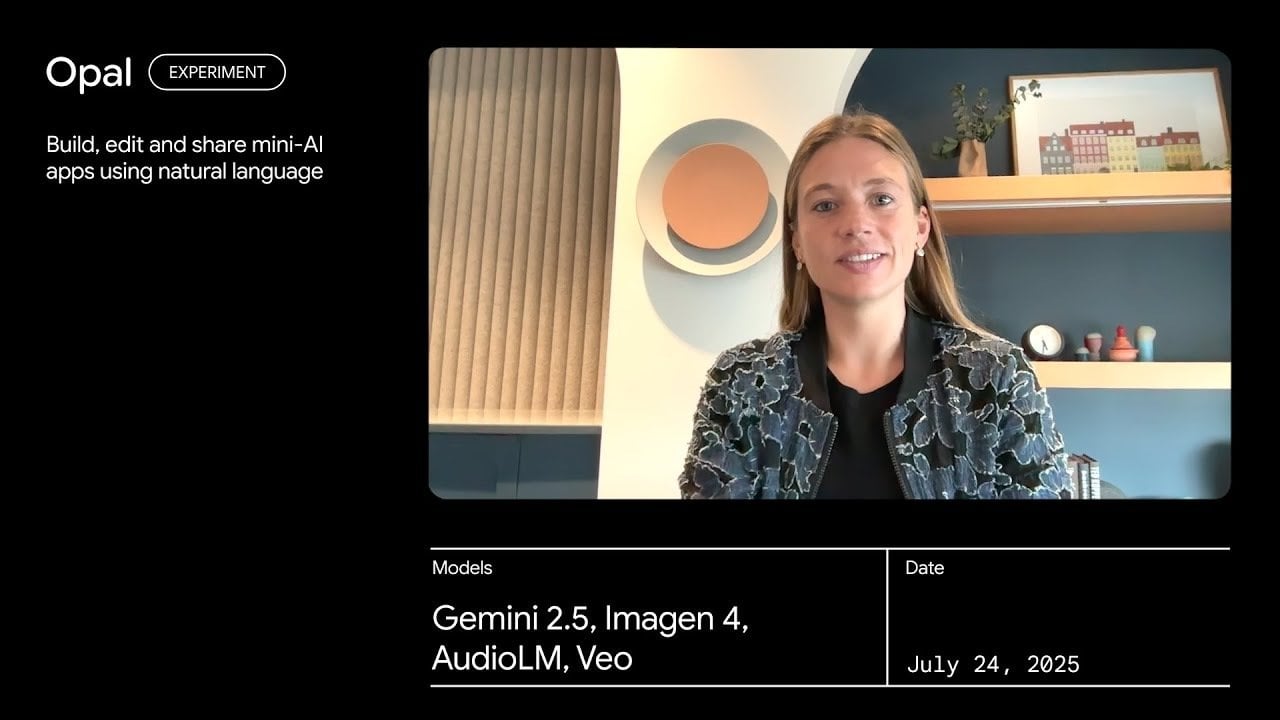
The landscape of app development is shifting with the emergence of versatile no-code AI tools. One of the latest innovations is Google’s Opal, designed to empower individuals and businesses to create applications effortlessly without traditional coding skills. The growth of no-code platforms is indicative of a broader shift in technology accessibility, allowing users to harness power previously reserved for professional developers. For instance, recent data indicates that the no-code market is expected to reach $21.2 billion by 2025, showcasing the increasing demand for such solutions. As this trend accelerates, tools like Opal stand to lead the way, enabling rapid development cycles and enhancing creativity.
Revolutionizing Development with Opal
Google’s Opal represents a groundbreaking no-code AI tool aimed at transforming the app development process. This platform simplifies the complexity of creating applications, enabling users to drag and drop components, customize features, and deploy software in just a few clicks. Through intuitive interfaces and AI capabilities, Opal allows for seamless integration with various APIs, enhancing functionality without extensive programming knowledge. Moreover, its user-friendly tutorials equipped with real-world examples facilitate a smoother learning curve for novices.
With Opal, companies can respond rapidly to market changes, creating solutions tailored to specific needs. As organizations strive to innovate, the ability to build and iterate apps quickly using AI-driven insights is vital for maintaining competitive advantage. For a deeper look at how no-code platforms are evolving, refer to this insightful article on Buildfire’s analysis of no-code AI tools.
How Opal Enhances Creativity and Efficiency
One of the remarkable aspects of using Opal is its ability to unleash creativity among non-technical users. The platform’s use of AI technology generates suggestions based on user inputs, effectively guiding users toward optimal design and functionality. This not only reduces time spent in the brainstorming phase but also encourages innovative applications that users may not have previously considered. Additionally, client feedback mechanisms integrated within the tool allow users to adapt their projects swiftly based on direct input.
As development cycles shorten, businesses can drive quicker amendments and roll out updates as user demands evolve. Furthermore, the collaborative features within Opal enable teams to work together seamlessly, leveraging insights from multiple stakeholders. For instance, the tool’s capacity to gather and implement user feedback in real-time is essential for staying relevant in a fast-paced market. Explore further insights in this article on AI Magazine’s overview of no-code tools.
📊 Key Information about Google Opal
- Accessibility: No coding experience required
- Speed: Rapid application deployment
- Cost-Effectiveness: Reduced development costs
Future Outlook: The Rise of No-Code Platforms
The future of app development is undoubtedly steered toward no-code AI tools like Opal. Experts estimate that the global no-code market will continue to grow significantly, with organizations increasingly turning to these solutions to democratize app creation. As accessibility increases, we will likely see an upsurge in novel applications across various industries, from small startups to large enterprises. Adopting these tools will not only streamline workflows but also empower individuals to contribute creatively without needing extensive technical knowledge.
With such a wide array of options available, businesses are encouraged to explore the various no-code tools currently in the market for diverse applications. For additional insights on the intersection of no-code and AI technology, the MIT program can provide relevant courses at MIT Professional Education.
Key Takeaways and Final Thoughts
Opal is poised to be a frontrunner in the no-code AI tool arena, facilitating app development for users across skill levels. With features designed for ease of use and rapid deployment, the tool paves the way for innovative applications and solutions. As industries continue to adapt, leveraging these tools will be critical for staying ahead. Exploring platforms like Opal provides invaluable advantages in efficiency and creativity. Additionally, monitoring advancements in no-code technology will help businesses stay at the forefront of innovation.
❓ Frequently Asked Questions
What is Opal?
Opal is a no-code AI tool developed by Google that enables users to build applications without needing extensive coding knowledge, leveraging intuitive interfaces and powerful features.
How can Opal benefit my business?
Businesses can benefit from Opal by significantly reducing development time and costs while allowing non-technical team members to contribute to app creation, fostering innovation.
To deepen this topic, check our detailed analyses on Gadgets & Devices section