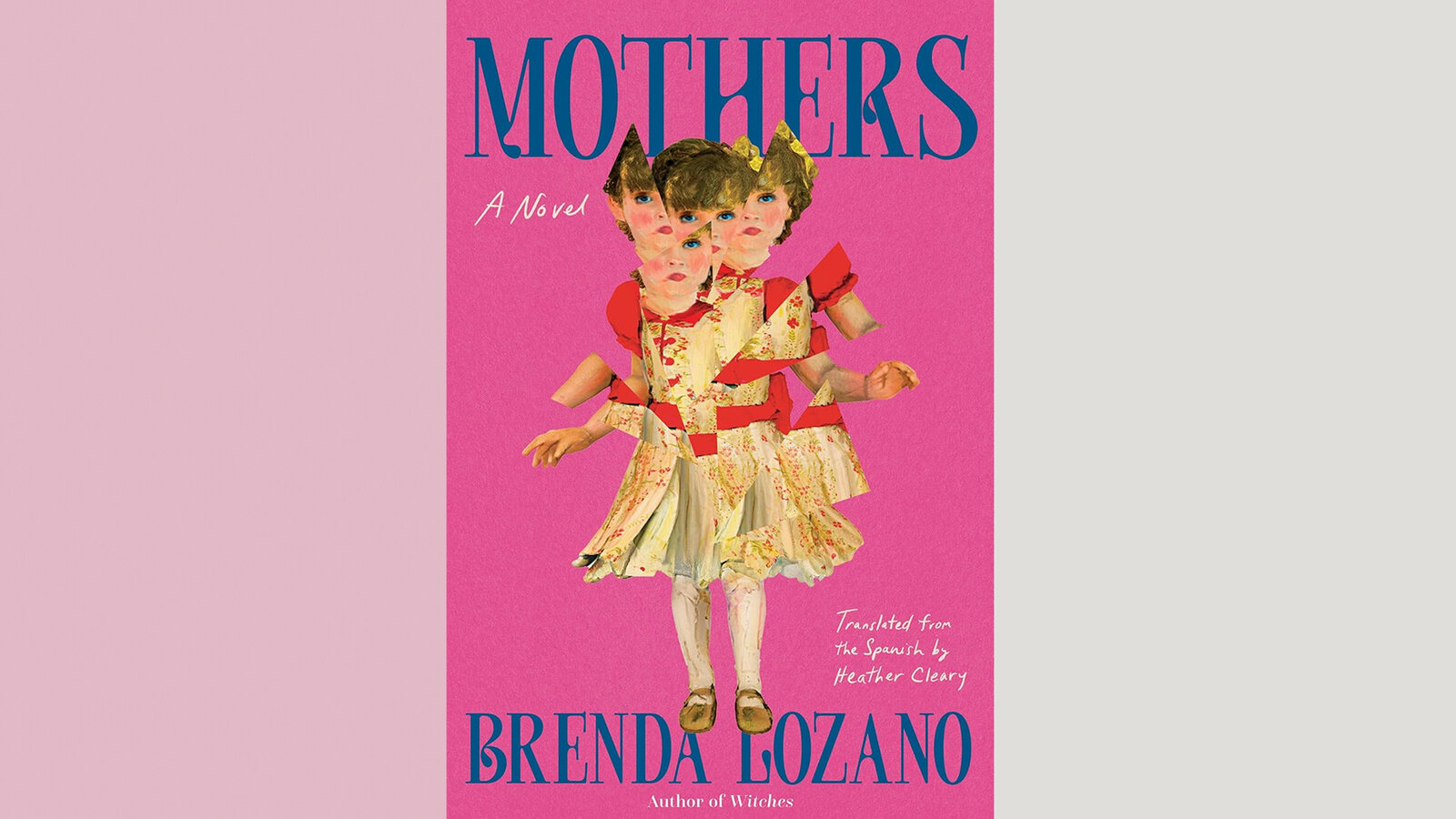
In the intricate world of literature, there are narratives that pierce through societal layers and reveal the raw emotions and realities of motherhood. One such compelling story is Mothers by Brenda Lozano, a riveting exploration that navigates the intertwining lives of two mothers against the harrowing backdrop of kidnapping in 1946 Mexico City. This novel unveils an emotional landscape that is both unnerving and relatable, allowing readers to delve deep into the psyche of motherhood, loss, and social disparity. Through its unique narrative style, the book promises an engaging journey that prompts reflection on how narratives shape our realities and perceptions.
Unraveling Motherhood in Mothers by Brenda Lozano
Mothers by Brenda Lozano properly illustrates the stark contrast between different social classes and how such differences dictate the narrative around motherhood. The novel introduces us to Gloria Felipe, a privileged mother who experiences the ultimate nightmare when her child goes missing. This dread is palpably felt as we follow her through the emotional turmoil of being thrust into the public eye, as her family’s tragedy becomes sensationalized overnight. As the protagonist of a tragedy, Gloria’s experience raises questions about visibility, privilege, and the societal lens through which suffering is often filtered.
In stark contrast, we meet Nuria Valencia, a working-class mother who has faced years of struggle and heartache in her journey toward motherhood. Nuria’s story serves as a poignant reminder of the countless unrecognized mothers whose experiences remain shrouded in silence. Her desire to protect her newly adopted daughter from the horror of abduction places her at the intersection of fear and reality. While Gloria’s plight floods the media, Nuria’s pain remains largely invisible, reflecting the sobering truth that not all voices are heard equally.
The Chaotic Narrative of a Cheeky Storyteller
The narrative style of Mothers by Brenda Lozano itself plays a critical role in conveying the themes of the novel. The story is relayed through a cheeky, opinionated narrator who frequently indulges in rhetorical questions. This character adds a layer of complexity and self-awareness to the storytelling, enlightening readers on how narratives are controlled and tailored to fit prevailing societal norms. “We hear this is what happened,” the novel recounts, showcasing the pivotal role of storytelling in shaping perceptions and highlighting the disparities between public and private narratives.
As readers, we are invited to explore how the media manipulates sorrow for enhanced visibility and ratings, effectively detailing how one mother’s pain becomes fodder for society. This exploration raises critical questions about vulnerability and representation in narratives that often overlook those deemed unimportant. The rhetorical choices made by Lozano invite readers not only into the hearts of her characters but also into a broader discussion on the implications of social class and narrative ownership.
Motherhood, Visibility, and Society
One of the book’s striking elements lies in its commentary on societal disparities in recognizing motherhood. The separation between Gloria’s widely publicized pain and Nuria’s silent suffering illuminates the fracture lines in society where some experiences are illuminated while others fade into the background. The novel showcases how the media often magnifies certain voices while neglecting many. Gloria’s wealthy mother’s frantic efforts to bribe authorities and the media for coverage candidly contrast with Nuria’s struggles, which remain largely unnoticed.
- Gloria’s story is plastered across every newspaper, symbolizing how privilege creates visibility.
- Nuria’s narrative serves as a haunting shadow, representing the underbelly of motherhood that goes largely ignored.
This dichotomy invites readers to confront uncomfortable truths about our societal structures. By illuminating both experiences, Lozano grips readers with a tale that is not just about the immediacy of motherhood but also about the long-lasting effects of how narratives are told. The exploration of social issues makes Mothers by Brenda Lozano a significant text in contemporary literature.
The Broader Themes Explored
Moreover, the novel’s heart resonates beyond its characters, connecting with larger themes of identity and societal roles. The struggles both mothers face—one in accepting her fate, the other in yearning for recognition—reflect societal imbalances that transcend the boundaries of the story. The emotional indoctrination of both characters resonates deeply within readers, beckoning them to reflect on what it means to be a mother in a world fraught with challenges.
In a world filled with constant shifts, Lozano invites us to hold space for the intersection of personal pain and public tragedy. The emotional clarity expressed through the characters’ experiences reminds us that every woman’s narrative deserves to be told, no matter her social standing. Particularly striking are moments where the narrator breaks the fourth wall, speaking directly to the reader, thereby creating an intimate connection that pulls on heartstrings and forces a deep understanding of motherhood’s complexities.
Conclusion: A Reflection on Narratives
As we step away from the pages of Mothers by Brenda Lozano, we are left with lingering questions about how we perceive and prioritize stories of suffering. This narrative spectrum serves to enrich the reader’s understanding of motherhood in its many forms and the societal structures that govern our responses to it. The compelling interwoven experiences of Gloria and Nuria shine a spotlight on the urgent need for broader recognition of all mothers, regardless of their socio-economic backgrounds.
For an even deeper exploration of literature and its many layers, check out our analysis on Books & Literature, where we delve into more transformative texts that reflect similar themes.
To deepen this topic, check our detailed analyses on Books & Literature section
As explored in our analysis of Fast Talks: Book Review, the ties between personal narratives and cultural reflections continue to shape our understanding of storytelling today.