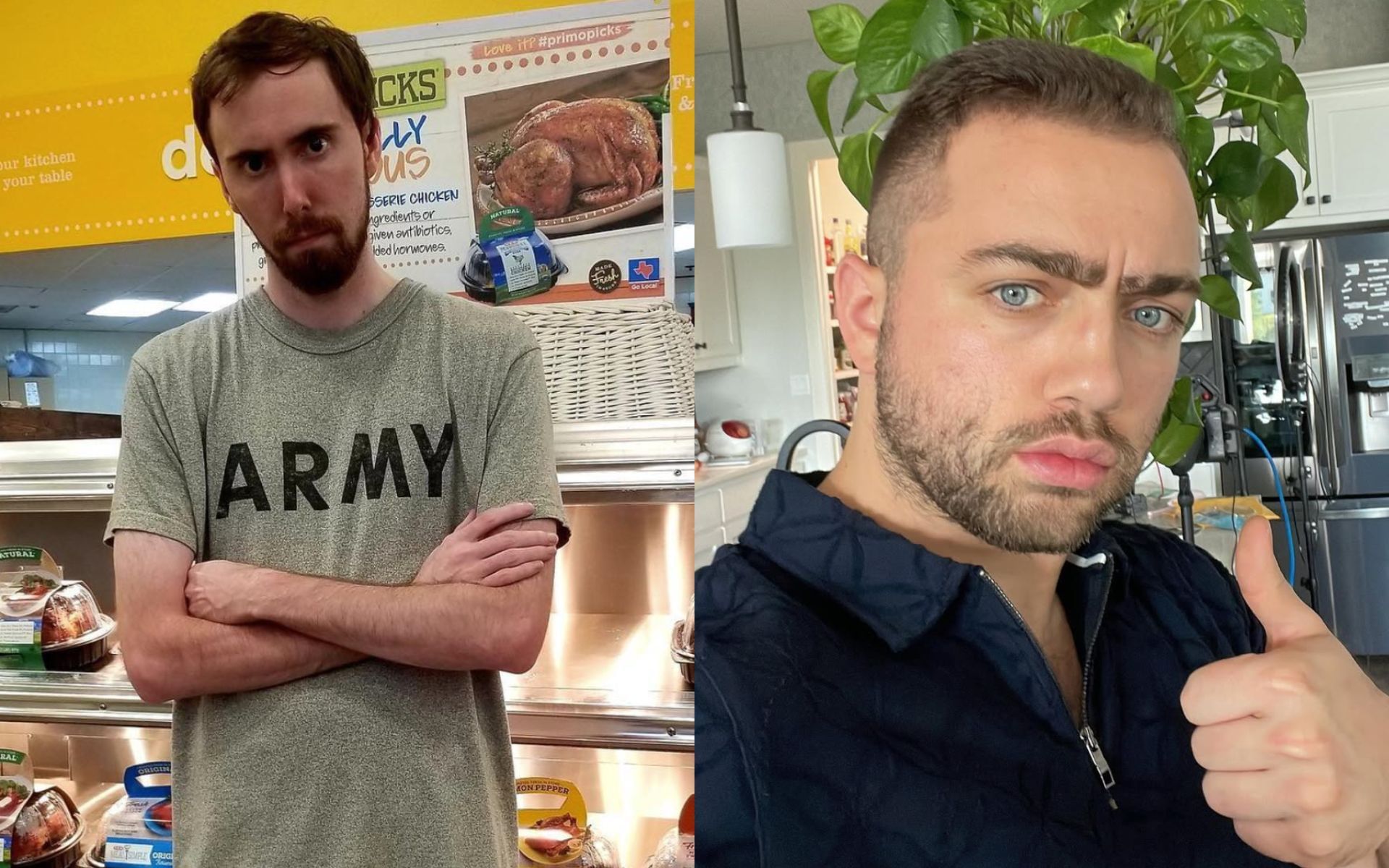
In the fast-paced world of streaming and online content creation, sensational news often breaks, affecting everyone involved. Recently, the details surrounding the Mizkif lawsuit have captured the attention of fans and commentators alike. On November 5, 2025, court documents came to light indicating that popular streamer Matthew “Mizkif” Rinaudo had filed a defamation lawsuit against fellow streamer Emily “Emiru,” Asmongold, and their associated entities, including OTK (One True King). This shocking revelation raises numerous questions about the future of online personalities and their interactions. This article dives deep into the implications of the Mizkif lawsuit and offers a comprehensive understanding of the current legal landscape within the streaming community.
The Background of the Mizkif Lawsuit
To fully grasp the gravity of the Mizkif lawsuit, it’s essential to understand its origins. The legal fallout reportedly revolves around accusations made by Asmongold, who is alleged to have defamed Mizkif on multiple occasions. The lawsuit claims that Asmongold frequently made damaging statements regarding Mizkif’s character and conduct. For instance, the court documents state that Asmongold suggested Mizkif should be imprisoned for his behavior, portraying him as an aggressor and an abuser in a past relationship with Emiru. This revelation not only impacts the involved parties but raises broader questions about the responsibility of content creators when discussing controversial topics.
Asmongold’s Response and Implications
In a recent livestream, Asmongold addressed the Mizkif lawsuit, expressing his uncertainty regarding the situation. He emphasized his intention not to delve into details until he gathers more information. “I just don’t know enough about it right now to look into it,” he stated thoughtfully. This response reflects a common dilemma faced by creators when personal disputes escalate to legal battles—whether to engage openly or remain silent. The repercussions of this lawsuit extend beyond personal reputations; they could set precedents for how content creators navigate legal and ethical boundaries when discussing their peers.
Consequences for the Streaming Community
The ramifications of the Mizkif lawsuit stretch far beyond the immediate players involved. With streaming becoming an increasingly popular form of entertainment, questions about the ethics of online behavior are coming to the forefront. Creators must consider the impact of their words, especially in public forums. The potential for lawsuits based on perceived defamation highlights the need for caution in how personalities engage with their audience. The outcome of this case could influence future interactions, fostering a climate where streamers are more mindful of their commentary about others.
Comparative Cases and Industry Trends
Similar to strategies discussed in our analysis of Valkyrae’s controversies, the Mizkif lawsuit presents a growing trend of legal actions between streamers. As the industry matures, creators increasingly find themselves in the legal spotlight, often due to disputes that reflect deeper industry tensions. It raises the question: Are content creators prepared to handle the media storm that accompanies serious allegations? Many creators, like Ethan Klein and HasanAbi, have also faced similar scrutiny over their comments, driving conversations about streamer responsibilities.
Looking Ahead: The Future of Streaming Disputes
As the Mizkif lawsuit continues to unfold, it is vital to examine its potential impact on the streaming landscape. There is a possibility that this case might set a precedent for how disputes are handled in this digital age. For viewers, the ongoing situation may alter how they perceive their favorite creators, particularly when the controversies seem to escalate into legal battles. The need for ethical dialogue within the streaming community is paramount now more than ever. Streamers might soon feel compelled to adopt stricter codes of conduct as a preventive measure against public and legal backlash.
Conclusion: The Importance of Accountability in Streaming
In closing, the Mizkif lawsuit highlights critical aspects of accountability within the streaming community. Content creators wield immense influence, and with that influence comes the responsibility to conduct themselves ethically. As more details emerge about this case, it will undoubtedly draw attention from fans and industry professionals alike. Understanding the implications of such lawsuits can guide creators to foster a safer and more respectful community. For ongoing updates and a deeper understanding of streaming culture, check out our detailed analyses on Streaming & Platforms.
To deepen this topic, check our detailed analyses on Streaming & Platforms section