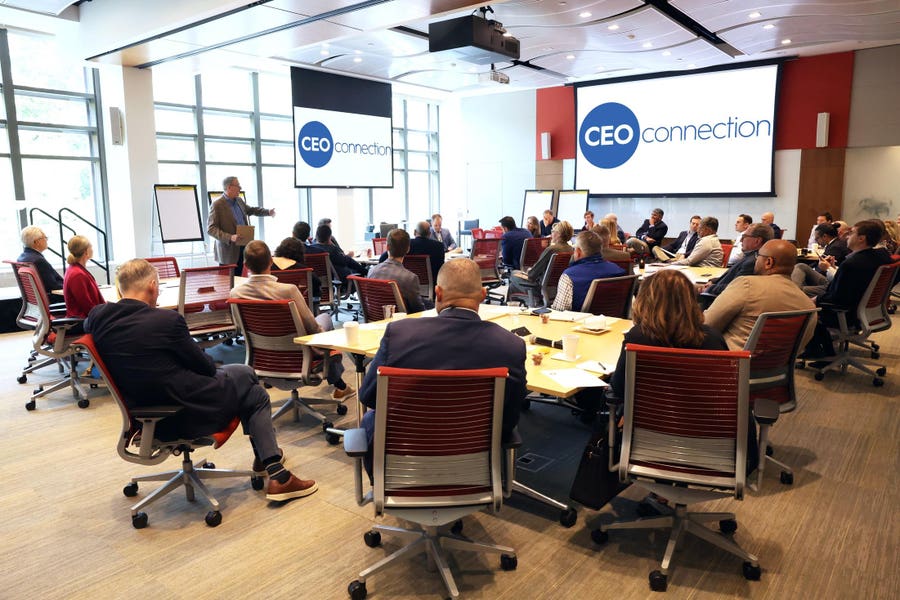
In a world characterized by rapid changes and uncertainty, mid-market CEO leadership demands agility and resilience. Did you know that about 50% of mid-market CEOs cite navigating chaos as their primary challenge? As industries evolve and external factors influence decision-making, the way leaders approach chaos is critical. In this detailed exploration, we discuss essential strategies that can empower mid-market CEOs to lead effectively through turbulent times while fostering a culture of collaboration and innovation.
Understanding Leadership in Turbulent Times
Leadership during chaotic periods requires a fundamental shift in mindset. Esteemed CEO thought leaders emphasize that mid-market CEO leadership necessitates fostering calm amidst chaos. The ability to transform fear into action can define the success of an organization. For instance, during the recent global supply chain crisis, companies that prioritized transparency and clear communication not only survived but thrived.
It’s essential to create an environment where innovation can flourish, despite the challenges. This calls for a thorough understanding of the factors contributing to chaos, such as technological advancements and market shifts. By applying the insights gained from frameworks like Dave Snowden’s Cynefin model, CEOs can better navigate the complexities of their environments.
The Power of an Inspiring Manifesto
One of the cornerstones of effective mid-market CEO leadership is the creation of an inspiring manifesto. This document should outline who you are, what you stand for, and the vision that drives your organization. It acts as a guiding star for all employees, providing clarity and motivation in chaotic times. As discussed at the recent Mid-Market CEO Convention, starting with an inspiring manifesto enables leaders to build trust and encourage collaboration across the organization.
Consider integrating the manifesto into team communications, decision-making processes, and organizational culture. This can help reinforce shared values and align efforts towards a common purpose. For example, companies like Patagonia exemplify this approach through their commitment to sustainability, which resonates deeply with both employees and customers.
Promoting Organizational Vigilance
In a chaotic landscape, organizational vigilance becomes paramount. The Stockdale Paradox teaches us the importance of maintaining unwavering faith while confronting brutal realities. Mid-market CEOs must foster an environment where transparency is prioritized, and everyone has access to critical information. This can include regular updates on market conditions, competitor insights, and internal performance metrics.
Effective mid-market CEO leadership requires that leaders champion an open dialogue across all levels of the organization. This encourages employees to voice concerns and share insights, which can lead to proactive decision-making. For instance, implementing regular feedback loops can help the organization stay agile and adaptable to changes.
Implementing Interactive Leadership
In turbulent times, static leadership approaches can be detrimental. The dynamic nature of crises requires a shift towards interactive leadership, where tactical leaders are empowered to make decisions quickly. This empowers teams to adapt resources and strategies to meet the demands of the situation effectively. Drawing on historical examples, many organizations that thrived during crises had leaders who embraced flexibility in their operational plans.
Moreover, leveraging input from team members at various levels fosters a sense of ownership and accountability. By integrating perspectives from diverse roles, mid-market CEOs can ensure that decisions are well-informed and reflective of the collective knowledge within the organization.
Fostering a Strong Organizational Culture
Ultimately, a strong organizational culture serves as a sustainable competitive advantage. It shapes employee behavior and guides decision-making, especially during uncertain times. Mid-market CEOs need to cultivate a culture that not only survives chaos but thrives within it. This involves creating an environment where individuals are encouraged to make productive choices aligned with the company’s values.
Utilizing frameworks like the BRAVE cultural model can help leaders assess and enhance company culture. Regular evaluations of employee behaviors, relationships, attitudes, values, and the overall environment can pinpoint areas for improvement. For example, a company that prioritizes collaboration and recognition is likely to cultivate loyalty and performance, leading to enhanced organizational resilience.
Conclusion
In conclusion, mid-market CEO leadership during chaotic times requires a multifaceted approach centered on inspiration, vigilance, interaction, and culture. By focusing on these areas, CEOs can guide their organizations through uncertainty and create a robust framework for success. For further insights on leadership strategies, explore our analysis of leadership books to transform your skills or discover business growth prompts for effortless success in our business growth article. Remember, the future belongs to those who lead through chaos with clarity and purpose.
To deepen this topic, check our detailed analyses on Career Advice section.