Meta’s ambition to dominate the virtual reality landscape took a significant twist recently with the announcement regarding Meta Metaverse VR. This groundbreaking platform, originally set to shutter by June 15, 2026, has found a new lease on life, albeit with certain limitations. Interestingly, as virtual reality (VR) technology meets a crossroads in its evolution, statistical insights reveal a staggering 69% of consumers express strong interest in VR applications. This statistic lays the groundwork for understanding just how critical the Meta Metaverse VR is in today’s technology landscape. Meta’s ability to pivot and allow existing VR experiences to continue operating caters to a dedicated user base and signifies a calculated strategy to maintain relevance in the ever-evolving world of digital interaction.
Revisiting the Meta Metaverse VR: A Second Chance
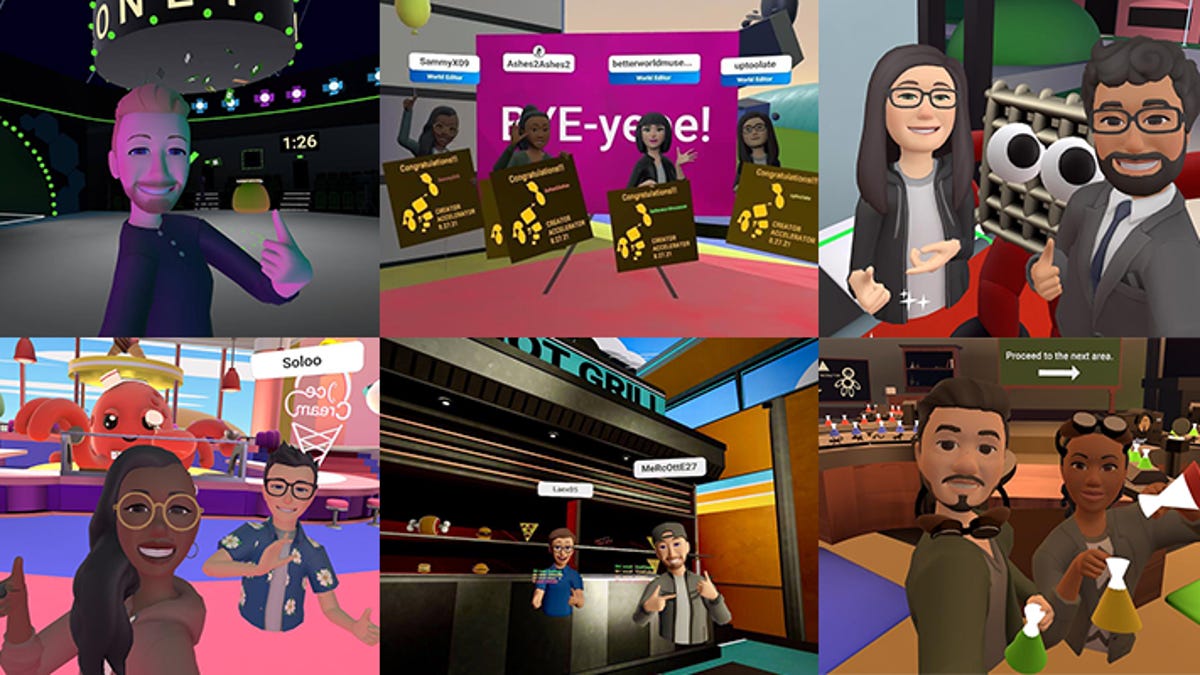
The recent decision by Meta to keep Horizon Worlds accessible on VR platforms highlights an unexpected turn of events in its VR strategy. By choosing to support existing VR games, particularly those created by the community, Meta aims to sustain user engagement within Meta Metaverse VR. As Meta’s CTO, Andrew Bosworth, confirmed, the platform will still function, but no new games will be introduced, marking a shift towards focusing on user experiences rather than developer-driven content. This pivot essentially allows passionate developers and users to continue enjoying their creations even as Meta prioritizes mobile applications for its metaverse endeavors.
The idea of maintaining Meta Metaverse VR as a community-driven platform is both strategic and emotional, touching on the sense of belonging many users feel while interacting within the VR realms. In some ways, this illustrates Meta’s understanding of the importance of community in technology’s progressive landscape, reminiscent of the sentiments echoed in our analysis of cloud development trends.
The Future of Meta Metaverse VR: Balancing Old and New Technologies
While continuing to support existing apps within the Meta Metaverse VR, Meta is also intensifying its focus on mobile technology. This dual strategy reveals a tactical compromise aimed at retaining users while capturing a broader market. As noted in various discussions surrounding AI technology, being adaptable is key to maintaining competitive advantage.
- Integration of Mobile and VR: Plans to integrate mobile compatibility could enhance user experience by allowing VR owners to access the metaverse on multiple platforms, similar to the mobile strategies outlined in our study of cloud service outages.
- Community Engagement: As more individuals survey the VR space, community-driven platforms may witness heightened interest, much like trends in user collaboration in other tech spaces.
This evolution within the Meta Metaverse VR reflects a critical understanding of various consumer demands, sometimes echoing the sentiment of wanting continuity even amidst innovation. Such market research is essential when corporations pivot their strategies, especially in rapidly changing landscapes.
Challenges Faced by the Meta Metaverse VR
Despite the positive pivot regarding Horizon Worlds, challenges remain. Meta’s decision to limit new content raises questions about its long-term strategy for the Meta Metaverse VR. How will the company sustain user growth if development becomes static? Engaging developers is crucial, as the evolution of VR experiences relies heavily on innovative content creation.
Additionally, Meta’s shifting focus may alienate seasoned developers who might struggle to adapt to the evolving priorities of the platform. This reaction mirrors trends seen in the tech world where startups adapt their hiring strategies based on market needs. Sustaining the platform’s viability may involve strategic partnerships or community initiatives aimed at fostering creativity.
Next Steps for Meta Metaverse VR and Its Users
The future of the Meta Metaverse VR hinges on a delicate balance between innovation and user satisfaction. With the growing consumer interest in immersive technologies, Meta can harness findings from current market research to elevate user experiences. The aim should be to integrate emotional engagement while facilitating development opportunities for creators. Engaging with the community about needs and desires will drive the platform forward, ultimately ensuring users feel valued and connected.
To understand further implications of tech integration, explore insights regarding AI adoption in the job market and how such trends could reflect back on VR technologies.
To deepen this topic, check our detailed analyses on Tech Tips & Tricks section