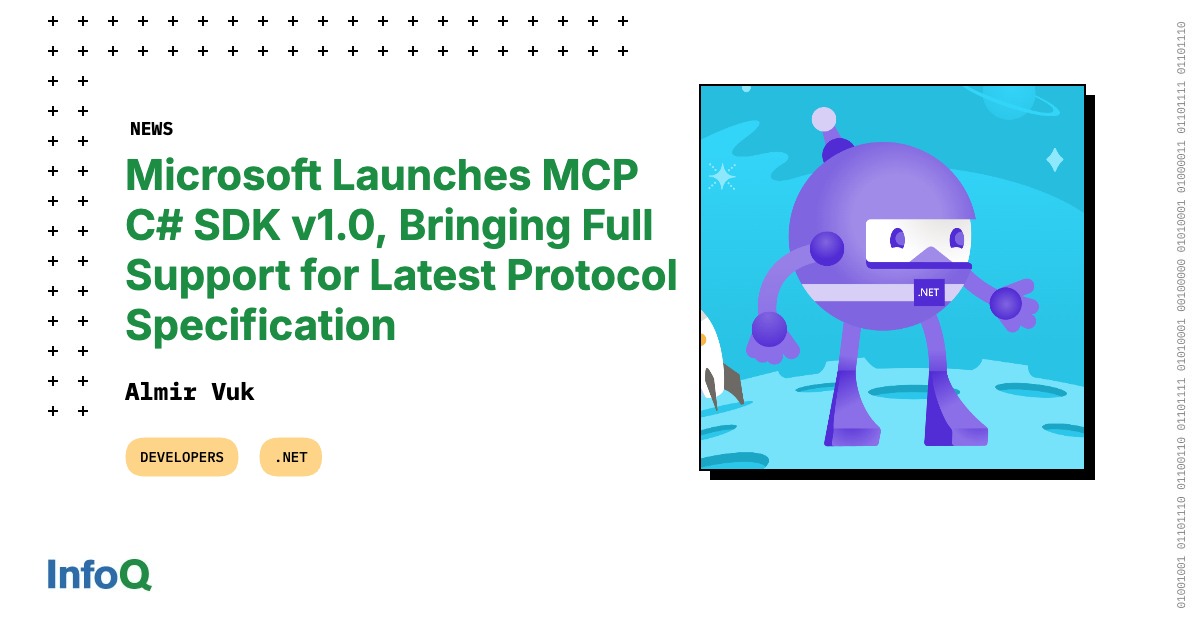
With technology evolving at a rapid pace, developers are increasingly seeking tools that enhance their productivity and streamline workflows. In this landscape, the launch of Microsoft’s MCP C# SDK is particularly noteworthy. The MCP C# SDK, recently introduced in version 1.0, aligns seamlessly with the latest Model Context Protocol (MCP) specification, demonstrating Microsoft’s commitment to providing robust development solutions. The enhancements brought by this SDK empower developers to build more efficient and secure .NET applications. This article delves into the key benefits and features of the MCP C# SDK, offering insights into how it can transform your development experience and integrate effortlessly into your existing workflows.
Unlocking New Capabilities with the MCP C# SDK
Developers often encounter challenges when implementing security measures and managing system resources. The new MCP C# SDK addresses these concerns with features that enhance both security and usability. One of the most significant upgrades is the improved authorization server discovery, allowing servers to expose Protected Resource Metadata through multiple methods. This flexibility empowers developers to choose the best approach for their projects, optimizing their applications’ performance and security.
Moreover, the SDK simplifies the discovery process on the client side, addressing previous complexities. This means that developers can focus more on features and less on the technicalities of protocol implementation. For instance, projects may benefit significantly from the enhanced authorization capabilities, which ensure clients only request the permissions they genuinely need—an approach that minimizes security risks while maintaining user trust.
To explore similar strategies discussed in our analysis of AI and healthcare innovation, consider how the MCP C# SDK applies similar principles in balancing robustness with user-centric design.
Enhanced Icon and Metadata Support
A standout feature of the MCP C# SDK is the introduction of icon support for various tools, resources, and prompts. Developers now have the flexibility to assign icons easily using a single attribute parameter or opt for more advanced configurations, including multiple icons, MIME types, and theme preferences. This capability not only enriches the user experience but also elevates the visual coherence of applications.
Furthermore, server and client metadata have been expanded to accommodate icons and website URLs, enhancing usability and allowing easier integration with external resources. This facet of the SDK is an invaluable enhancement for developers focused on creating polished, user-friendly applications.
The MCP C# SDK significantly improves user interaction elements, resulting in a more engaging experience overall. For additional context on how design influences software implementation, consider insights from our article on AWS outages and their impact on user interfaces.
Incremental Scope Consent for Enhanced Security
Security remains a top priority for software developers, and the MCP C# SDK introduces the principle of incremental scope consent. This innovative feature allows clients to request only the minimal access necessary for each operation, a significant shift from the previous norm where full permissions were often requested upfront. By minimizing exposure, the SDK protects sensitive user data while enabling developers to maintain stringent security protocols.
Clients can now commence interactions with minimal scopes and request additional permissions only as required. This dynamic feature not only fosters a more secure environment but also encourages best practices regarding software development and user privacy.
The improvement aligns with broader trends in tech innovations as discussed in our coverage of AI adoption and regulatory changes, where security and privacy increasingly dictate application frameworks.
Efficient Handling of Long-Running Requests
Another notable enhancement of the MCP C# SDK is its support for long-running requests over HTTP, facilitated by a polling mechanism. This feature allows servers to close connections temporarily while maintaining the ability for clients to reconnect seamlessly using event IDs. This capability is critical for modern applications that require reliable state management without overloading server resources.
Additionally, the SDK introduces the DistributedCacheEventStreamStore for Server-Sent Events (SSE) stream storage, streamlining the handling of ongoing data flows. These features provide developers with the tools they need to build resilient applications capable of managing complex interactions, all while preserving performance and user satisfaction.
If you’re interested in exploring further, the insights from crypto marketing strategies can provide an interesting parallel regarding the need for adaptable frameworks in a rapidly changing tech landscape.
Conclusion: Embrace the Future of Development
The release of the MCP C# SDK version 1.0 represents a significant milestone for Microsoft and the broader developer community. With its focus on enhancing security, user experience, and system flexibility, the SDK is poised to become an essential tool for .NET developers. As the digital landscape evolves, adopting tools like the MCP C# SDK will be crucial in maintaining a competitive edge.
To deepen this topic, check our detailed analyses on Apps & Software section.