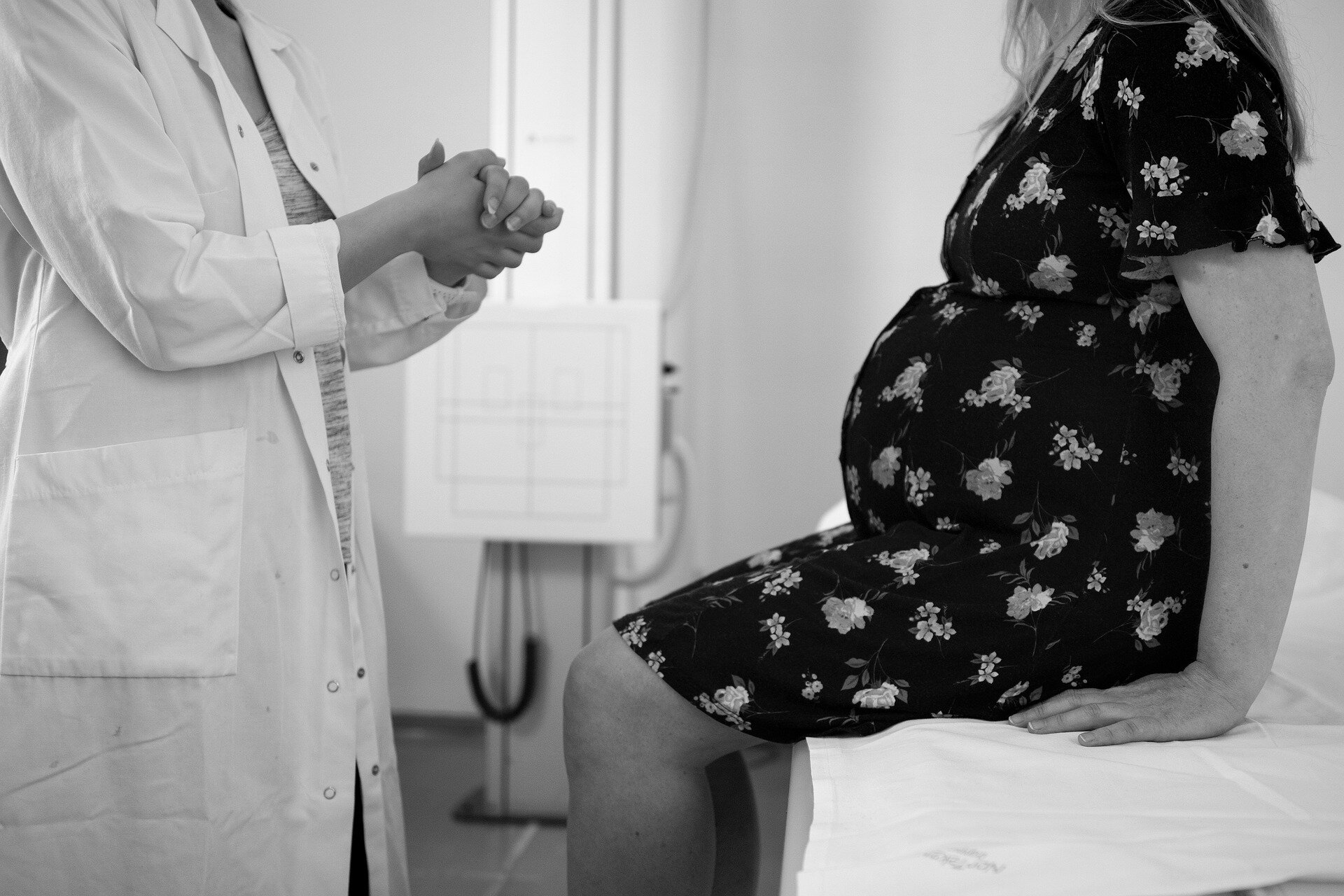
A mother’s death during or after pregnancy may significantly increase the risk of infant mortality and hospitalization. This shocking reality underscores the critical connection between maternal health and infant outcomes. As the United States faces alarming maternal mortality rates, understanding the implications for infants is more important than ever. A recent study conducted by Boston University has highlighted the dire consequences of maternal death on infant health, revealing that infants born to mothers who suffer pregnancy-related deaths are at a drastically higher risk of both mortality and long-term health issues. This article aims to explore the relationship between maternal death infant risk and how protecting maternal health is fundamental not only for mothers but also for their infants, families, and communities.
The Alarming Statistics of Maternal Death and Infant Health
According to recent research, the statistics regarding maternal death infant risk are staggering. The study focused on maternal and infant health outcomes in Massachusetts from 1999 to 2021, revealing that when a mother dies during pregnancy or in the postpartum period, the infant mortality rate skyrockets. In fact, the study found that infants were more than 14 times as likely to die compared to those whose mothers did not experience death during these critical periods. Additionally, when maternal deaths followed severe maternal morbidity (SMM), the risk increased to a shocking 22 times greater than when mothers survived postpartum.
- Infant mortality rate is 55 per 1,000 births when the mother dies.
- This rate increases to 87.9 per 1,000 when maternal death is associated with SMM.
These figures illustrate not only the direct consequences of maternal mortality but also highlight the importance of ongoing support and improvement in maternal health care.
The Implications for Infant Hospitalization Rates
Moreover, the impact of a mother’s death extends beyond mortality rates. For non-premature infants who do survive their mother’s pregnancy-associated death, the likelihood of hospitalization within their first year of life increases by 35%. If the mother experienced severe maternal health issues, infants display a 10% increased risk of hospitalization. These findings shed light on the persistent consequences associated with poor maternal health outcomes and the critical need for addressing maternal care.
Risk Factors Associated with Maternal Death
In their comprehensive study, researchers identified key risk factors that heighten the likelihood of maternal death infant risk. Beyond maternal death, factors such as older maternal age, public insurance, opioid use, and pre-existing health conditions play a crucial role. Notably, mothers with more than four children had increased odds of experiencing severe maternal morbidity, again linking maternal health closely to infant outcomes.
The Call for Action: Enhancing Maternal Health Support
As the findings indicate, enhancing maternal health care is imperative. The study reveals that improvements in maternal health can lead to better health outcomes for infants. Dr. Eugene Declercq, the lead author, emphasizes, “If we want to protect infant health, the first step is to recognize the shared health outcomes between mothers and their infants.” This simple yet profound acknowledgment is vital for public health policy and practice.
With state maternal mortality review committees diminishing or being entirely eliminated, there is an urgent need to sustain and bolster support for women’s health care. Investing in maternal health is not just a matter of individual well-being; it is a fundamental goal for community health.
- The link between maternal death and infant health must be acknowledged in public health discussions.
- Investing in women’s health is critical for protecting their families.
Conclusion: Bridging the Gap in Maternal and Infant Health
The relationship between maternal death infant risk is a crucial element of the maternal health debate. As research continues to establish clear connections between maternal health and infant outcomes, it becomes increasingly vital for health policymakers and practitioners to seek solutions. Increasing awareness and dialogue about maternal health can help bridge this gap, ultimately ensuring healthier futures for both mothers and their infants.
To deepen this topic, check our detailed analyses on Medical Innovations section