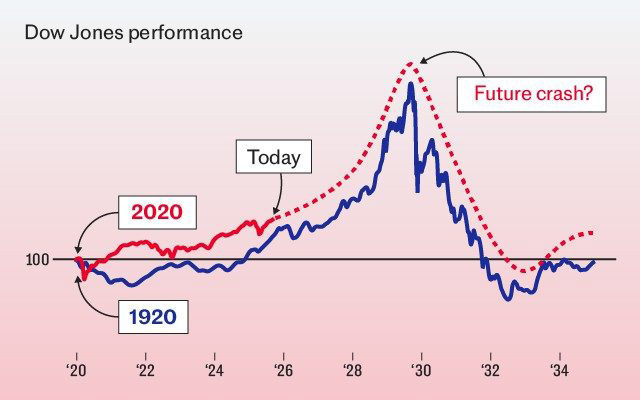
The market crash is a term laden with fear and uncertainty, evoking memories of financial loss and economic instability. In 2023, a staggering 40% of Americans have reported anxiety about the possibility of a market crash, according to recent studies. This statistic illustrates just how pervasive these concerns have become in our daily lives. Understanding the factors contributing to a market crash can empower individuals to navigate through turbulent economic times. In this article, we’ll explore essential insights about financial crashes, how to recognize warning signs, and how to protect your investments.
Understanding the Risks of a Market Crash
Understanding the risks associated with a market crash is crucial for investors. A market crash may stem from various factors, including economic downturns, geopolitical events, or even natural disasters. For instance, the COVID-19 pandemic caused a swift decline in global markets, highlighting the fragility of economic systems. Investors must be aware of potential downturns and maintain a cautious approach to investments. Here are several key indicators to monitor:
- Economic indicators: Look for changes in GDP, unemployment rates, and consumer confidence indexes.
- Market volatility: Regularly observe fluctuations in stock prices and trading volumes.
Investors should also consider external influences, such as government policies and trade agreements. For a deeper analysis into how economic trends are affecting the market, explore Warren Buffett’s indicators that signal caution amid market greed.
Protecting Your Investments During a Market Crash
When facing a potential market crash, taking protective measures is essential. Diversifying your investment portfolio can safeguard against losses. This means spreading investments across different sectors, including stocks, bonds, and real estate. By diversifying, you reduce the impact of a downturn in any single market area.
Additionally, investing in safe assets like bonds and precious metals can provide a buffer during tumultuous times. Investors should also consider the benefits of long-term investing to weather temporary downturns. While it may be tempting to react impulsively to market fluctuations, maintaining a long-term perspective can lead to greater stability.
For those looking to make informed choices, the insight on housing markets can be critical during unstable periods, identifying which regions may offer buying advantages.
How to Spot Warning Signs of a Market Crash
Recognizing the warning signs of a market crash can provide a significant advantage. Some early indicators include:
- Rising inflation rates: Meaning ongoing price increases can erode purchasing power and signal economic instability.
- High debt levels: A surge in corporate and consumer debt can indicate over-leveraged markets prone to crashing.
Other signs, such as an overvaluation of stocks, often come before major corrections. Monitoring these metrics can prepare you for potential declines in the market. Explore how tariffs, such as the ones discussed in the context of Trump’s policies, can impact markets globally.
The Psychological Impact of a Market Crash
The emotional rollercoaster accompanying a market crash affects not only individual investors but can also influence institutional behavior. Fear and panic can lead investors to make impulsive decisions, which often exacerbate market declines.
Acknowledging the psychological effects can help investors maintain composure. Staying informed and taking a rational approach, rather than reacting impulsively, is essential for effective investment strategy. For insights into resilient investment strategies, consider Warren Buffett’s approach, as highlighted in our piece on stocks ready to perform.
Investing Opportunities Post-Market Crash
A market crash often creates new investing opportunities. Savvy investors might find bargains in undervalued stocks during a downturn. When markets recover, these investments can yield fruitful returns. History shows that many successful companies emerge stronger from a crash, making this an opportune time to invest.
Furthermore, consider long-term investment strategies, such as the Warren Buffett ETF, which could potentially transform consistent contributions into substantial savings, as represented in our analysis on investing strategies.
To deepen this topic, check our detailed analyses on Stock Market section