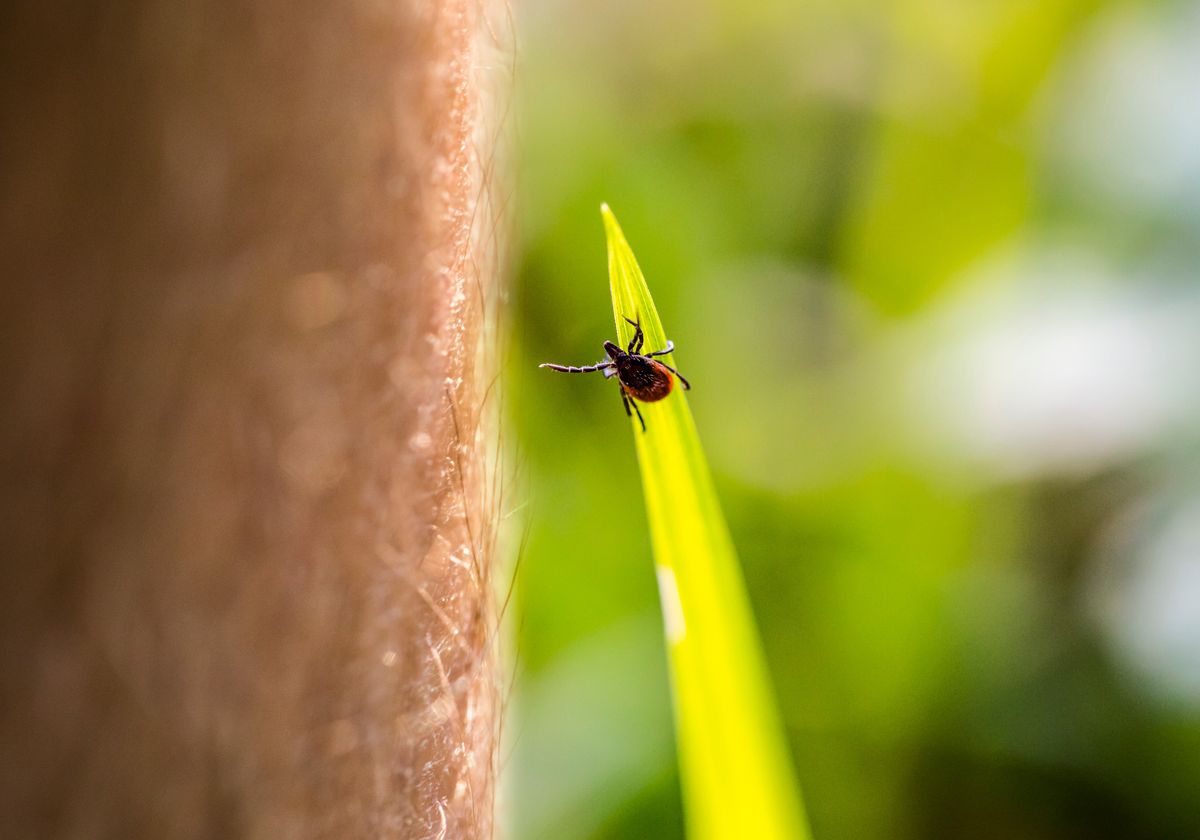
Ticks, those eight-legged parasites, are often overlooked but carry significant health risks, including the notorious Lyme disease. This common tick-borne illness, caused by the bacterium Borrelia burgdorferi, infects almost half a million people in the United States annually. If not treated promptly, Lyme disease can lead to severe neurological and cardiac complications. As the warmer months draw nearer, the incidence of tick-borne diseases surges, with more outdoor activities putting individuals at increased risk. Understanding the persistence of Lyme disease, its related health concerns, and innovative vaccine developments can empower both individuals and public health systems to combat this looming threat. Let’s explore the multifaceted impacts of ticks and how science is working towards innovative solutions.
Understanding Lyme Disease and Its Impact
Ticks transmit various pathogenic infections, with Lyme disease being the most prevalent. This condition arises from the bite of infected blacklegged ticks, which can latch on to their hosts for extended periods. Research shows that approximately 15% of Lyme disease patients experience lingering symptoms even after treatment, a condition termed post-treatment Lyme disease syndrome (PTLDS). This highlights the disease’s potential to inflict lasting effects on health. Studies from microbiologists have shown that B. burgdorferi can modify its cell wall, allowing it to persist within the host, complicating recovery efforts. The connection between Lyme disease and chronic health issues underscores the necessity of public awareness and preventive measures.
Further insight into tick behavior reveals that their saliva contains proteins that enable survival on their hosts and can lead to advanced complications. Understanding these mechanisms can spur the development of improved therapeutic strategies for those affected by Lyme disease.
Emerging Vaccination Solutions Against Lyme Disease
In light of the ongoing challenges posed by Lyme disease, researchers are diligently working on effective vaccines. A note-worthy advancement comes from Nobel Prize laureate Drew Weismann and his team, who have developed an mRNA-based vaccine targeting the outer surface protein (OspA) of B. burgdorferi. This novel vaccine has shown promise in enhancing the immune response in animal models, paving the way for effective prevention.
Furthermore, another group of researchers is exploring an engineered version of a protein known as CspZ. This protein helps B. burgdorferi evade the immune response, making it a crucial target for vaccine development. Mutations to enhance its stability have led to promising results in preclinical trials, significantly reducing the severity of Lyme disease symptoms in vaccinated animals.
These vaccine strategies represent a significant turning point in our fight against Lyme disease, promising to reduce incidence rates and protect countless individuals in the future.
Link Between Ticks and Food Allergies
Recent studies have uncovered a surprising correlation between tick bites and the development of allergies, particularly to red meat. The lone star tick has been linked to alpha-gal syndrome, which results in allergic reactions after consuming mammalian meat. Research by allergists at universities, including the University of Virginia, indicates a growing incidence of such allergies, directly associated with tick populations. This synergy between tick bites and food allergies further complicates the landscape of health issues related to Lyme disease and its co-morbidities.
Individuals who have a history of tick bites should be aware of the potential onset of food allergies, highlighting the need for vigilant monitoring and awareness. The association with Lyme disease emphasizes the broader impacts of tick-borne illnesses on overall health and wellbeing.
The Role of Public Health in Lyme Disease Prevention
Community awareness and preventive strategies are crucial to mitigating the impact of Lyme disease. Public health initiatives focused on education about tick prevention measures can significantly influence infection rates. Simple practices, such as wearing protective clothing, using insect repellents, and performing tick checks after outdoor activities, can greatly reduce exposure.
Also, the ongoing development of smart technology in healthcare can aid in tracking and managing Lyme disease cases. Effective communication strategies similar to those discussed in our analysis of public health challenges can elevate awareness surrounding Lyme disease. Educating communities about total tick avoidance may lower risks and foster healthier environments.
Innovations in Lyme Disease Research
Innovative approaches to studying ticks and their pathogens continue to emerge. Research efforts are not only focused on vaccination but also on understanding the biological mechanisms that allow B. burgdorferi to persist in human hosts. The insights gained from such studies can inform both preventive and therapeutic measures against Lyme disease.
Ongoing collaborations among researchers, such as those highlighted in our exploration of AI-driven healthcare solutions, are paving the path to an integrated approach in addressing the complexities of tick-borne diseases.
In conclusion, awareness and prevention are pivotal in combating Lyme disease. As research progresses, individuals can empower themselves with knowledge and protective strategies against ticks and their associated health risks. For further insights on these pressing health concerns, the latest findings in public health, and more, be sure to explore our comprehensive articles.
To deepen this topic, check our detailed analyses on Public Health section