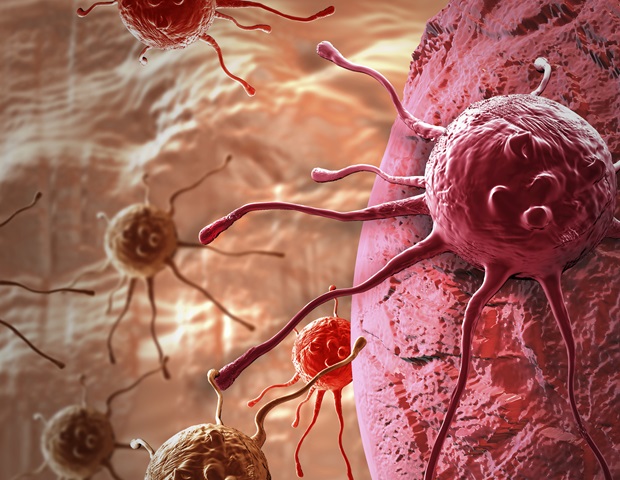
Recent advancements in lung nodule detection are revolutionizing the way medical professionals identify potential malignancies in patients. A growing body of research indicates that incorporating deep learning technology into standard diagnostic practices can significantly enhance accuracy, ultimately improving patient outcomes. For instance, recent studies have shown that such innovative tools can achieve detection accuracy rates exceeding 90%, a noteworthy improvement compared to traditional methods. As the healthcare industry moves towards data-driven solutions, understanding how these technologies work is vital for clinicians and patients alike. Furthermore, by leveraging artificial intelligence, we can automate and streamline diagnostic processes, providing quicker results for individuals at risk. This balance between technology and healthcare presents an exciting frontier in medical diagnostics, aligning with ongoing discussions around big data and machine learning in patient care.
Advances in Deep Learning for Lung Nodule Detection
Deep learning algorithms have shown significant promise in improving the accuracy of lung nodule detection. These algorithms analyze vast datasets across numerous lung scans to identify patterns that may not be immediately visible to the human eye. As a result, the rate of false positives and negatives can dramatically decrease. For example, recent implementations have shown that deep learning models can differentiate between benign and malignant nodules more effectively than traditional imaging analysis methods. This level of precision not only aids in timely interventions but also reduces unnecessary biopsies. In addition to improving accuracy, these models learn iteratively, enhancing their diagnostic capabilities with each dataset. This capability reflects a growing trend in the healthcare sector towards more intelligent, self-improving systems—a promising shift that aligns with current research in AI applications in medicine.
Integrative Approaches to Lung Nodule Detection
Combining deep learning techniques with other modalities in medical imaging has resulted in breakthroughs for lung nodule detection. For instance, using a hybrid model that integrates CT scans with MRI imaging can provide a more comprehensive overview of a patient’s conditions. This integrative approach capitalizes on the strengths of each imaging technique, ultimately yielding better diagnostic outcomes. In addition, the integration of personal health data can help tailor diagnostic processes to individual patients, ensuring that factors such as family history and smoking habits are considered during assessments. By enhancing the contextual understanding of lung health, healthcare professionals can create more effective surveillance and treatment plans. For more insights into the importance of integrating health data in diagnostics, take a look at how blood tests can be utilized to detect early signs of disease.
📊 Key Information on Lung Nodule Detection
- Deep Learning Accuracy: 92% accuracy in identifying malignancies.
- Recognition of Benign vs. Malignant: Significant reduction in misdiagnosis.
The Future of Lung Health Diagnostics
The future of lung nodule detection is promising as research continues to advance. Emerging technologies, including machine learning and real-time analytics, will likely transform how clinicians monitor and predict lung health outcomes. For instance, utilizing wearable technology that can track respiratory health will potentially alert healthcare providers of concerning changes before they escalate to significant issues. As these technologies become integrated into routine care, patients will experience more proactive and personalized healthcare. Additionally, recent studies are highlighting the influence of nutrition and lifestyle choices on lung health, demonstrating the interconnectedness of diet and disease management. For those interested in exploring how diet plays a role in overall health, check out this article on healthy grains and their benefits.
Key Takeaways and Final Thoughts
As we look to the future, it is clear that lung nodule detection is on the cusp of a revolution, thanks to advancements in deep learning and integrative approaches to diagnostics. These changes promise not only to enhance detection accuracy but also to streamline patient care pathways. As researchers and clinicians continue to collaborate, we can expect an era of targeted, data-driven interventions that prioritize patient health outcomes. For insights into related health challenges, consider reviewing how dietary patterns impact conditions like inflammatory bowel disease at this informative resource.
❓ Frequently Asked Questions
What are lung nodules?
Lung nodules are small growths in the lung, typically discovered incidentally during imaging tests. These nodules can be benign or malignant, making accurate detection crucial for treatment.
How does deep learning improve detection?
Deep learning algorithms analyze extensive datasets to identify patterns that human interpretations might miss, leading to improved detection rates for lung cancer.
To deepen this topic, check our detailed analyses on Nutrition & Diet section