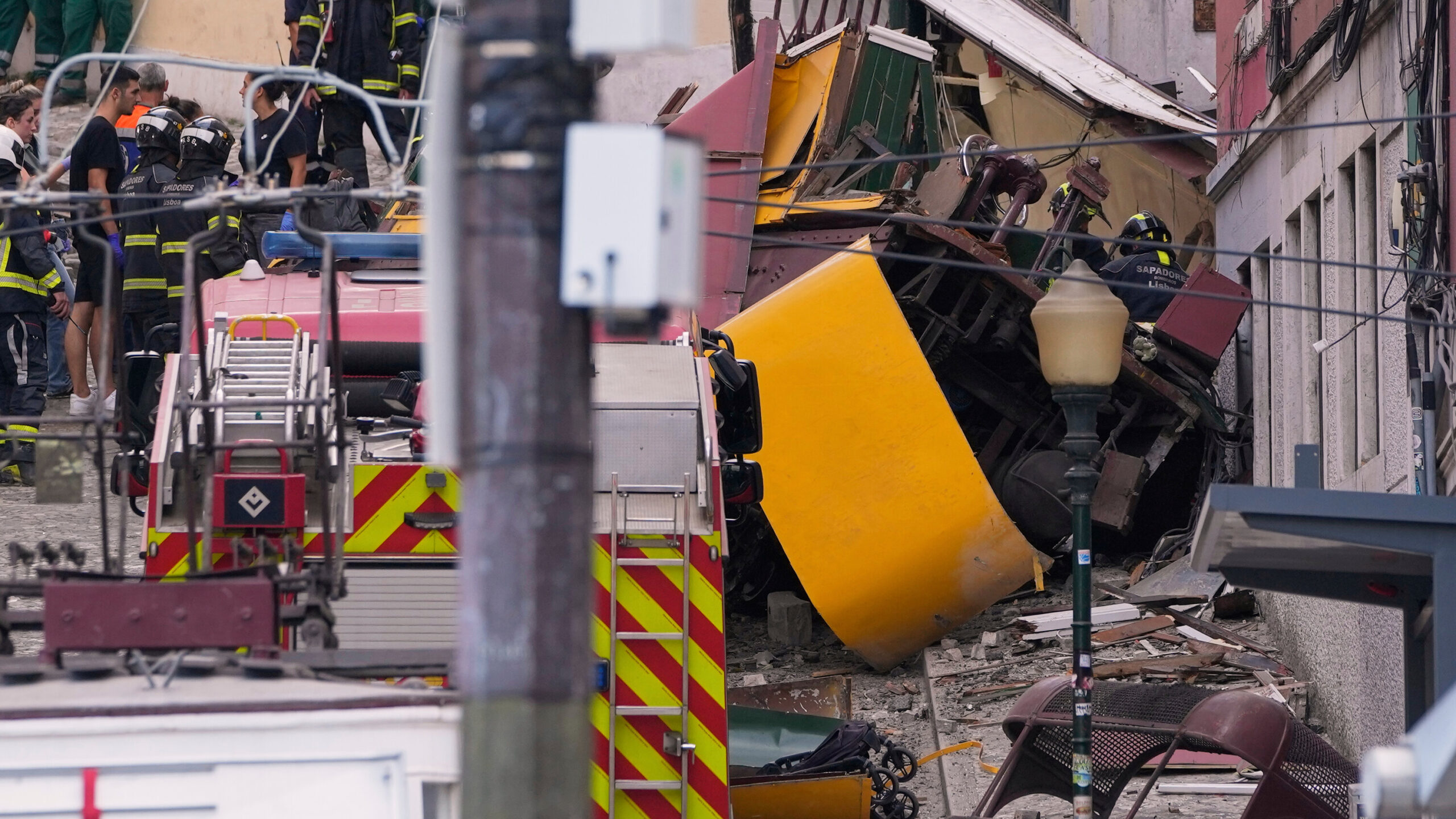
On September 3, 2025, the tragic Lisbon funicular crash shocked locals and tourists alike as the iconic Gloria Funicular derailed, claiming at least 15 lives and injuring numerous others. This devastating incident highlights the importance of safety measures in urban transportation systems. Authorities began investigating the cause, with initial reports suggesting a mechanical failure may have played a role. Flashbacks of similar events raise concerns about the reliability of such transport means. In the aftermath, city officials vowed to enhance safety protocols and ensure accountability. According to recent statistics, funicular accidents are rare, yet this incident serves as a grim reminder of potential hazards associated with urban transit systems.
Understanding Funicular Systems and Their Safety Mechanisms
Funiculars, such as the one in Lisbon, are unique rail systems designed to transport passengers up steep inclines. They operate using two counterbalancing cars connected by a cable. While generally regarded as safe, the Lisbon funicular crash raises questions about the maintenance and oversight of these systems. Proper inspections and preventive measures are essential to prevent tragedies. For example, similar systems in cities like Budapest have implemented rigorous checks and balances, significantly reducing their incident rates. In other industries, such as entertainment, safety protocols also reflect the need for accountability and regular maintenance.
The Immediate Aftermath of the Crash
Emergency services reacted quickly following the Lisbon funicular crash, providing essential medical intervention to the victims. Local hospitals were put on high alert, and citizens volunteered to assist in caring for the injured. The city’s mayor expressed condolences and emphasized the need for a thorough investigation. Additionally, efforts to support victims’ families demonstrated the community’s solidarity in the face of tragedy. Comparatively, in sports events, fan support during crises highlights the power of collective action and humanity. Community aid during such times can be vital in the healing process.
📊 Key Safety Information
- Maintenance: Regular checks are crucial
- Training: Operators need extensive protocol training
Investigating the Cause: What We Know
The investigation into the Lisbon funicular crash is ongoing, with authorities examining maintenance records and interviewing personnel. Early hypotheses suggest that a malfunction in the braking system may have led to the tragic derailment. Experts in safety engineering are being consulted to provide insights into potential flaws in design or operations. This thorough inquiry aims not only to identify responsibilities but also to enhance future safety measures. Regular reviews and updates of safety protocols can significantly reduce risks.
Community Response and Moving Forward
The Lisbon funicular crash has sparked an outpouring of community support. Fundraisers have emerged to assist victims’ families, and vigils have been held in honor of those lost. Additionally, there’s a call for more stringent regulations governing funicular operations. As the investigation unfolds, citizens are rallying for improved safety measures to ensure such tragedies do not recur. Public awareness and engagement play key roles in driving policy changes.
Key Takeaways and Final Thoughts
As the investigation into the Lisbon funicular crash continues, it’s crucial to prioritize passenger safety. The community’s response demonstrates resilience and solidarity in the face of tragedy. Moving forward, we must advocate for enhanced safety protocols and regular maintenance checks to prevent similar accidents. This tragic event serves as a reminder of the vulnerabilities within urban transit systems. For more insights on public safety, consider looking into recent discussions surrounding emergency response systems.
To deepen this topic, check our detailed analyses on Travel & Tourism section