In an unexpected turn of events, the charge of terrorism against the acclaimed Irish-language rapper known as Mo Chara from the group Kneecap has been officially dismissed. This development emerged from a U.K. court ruling, which highlights significant procedural missteps in how the case was formulated. The Kneecap rapper terrorism charge, which drew considerable attention due to its implications for freedom of expression and cultural advocacy, was dismissed primarily because it was not brought before the court within the appropriate timeline. The case underscores the complex intersection of music, politics, and legal systems, particularly in the context of protest and identity.
Kneecap’s Political Expression and Legal Battles
The rapper Liam Óg Ó hAnnaidh, known by his stage name Mo Chara, was charged following an incident where he allegedly displayed a Hezbollah flag during a performance. This act sparked controversy not only for its political ramifications but also for how it reflects the broader narrative of art intersecting with activism. Critics argued that the charge was an assault on artistic expression and free speech, particularly when the artist claimed he had unwittingly displayed the flag after it was thrown on stage by a member of the audience.
The dismissal of the Kneecap rapper terrorism charge by Judge Paul Goldspring reinforces an important legal principle: charges must be filed in accordance with proper legal processes. The judge acknowledged that prosecutors had failed to adhere to the statute of limitations, highlighting a critical oversight. This ruling not only is a victory for Mo Chara but also serves as a significant commentary on the rights of artists to express their political beliefs without fear of legal repercussions.
The Cultural Impact of Kneecap’s Music
Kneecap has positioned itself as a voice for political expression in the realm of hip-hop, often addressing contentious issues related to Irish identity, nationalism, and international solidarity with oppressed peoples. Their music—which is deeply rooted in the Irish language—has resonated with audiences who see it not just as entertainment but as an emblem of cultural pride and activism. The recent legal challenges faced by its members have drawn attention to their advocacy for a united Ireland and the Palestinian cause, contexts that further enrich their artistic narrative.
- Kneecap has championed rights and voices of the marginalized.
- The group addresses themes of identity and resistance through its lyrics.
The impact of their work extends beyond music, igniting discussions about the role of art in social movements. It poses crucial questions: To what extent can artists push boundaries in their expressions? What protections do they have under laws governing free speech? The case of the Kneecap rapper terrorism charge serves as a catalyst for these essential discussions.
The Reactions to the Court’s Decision
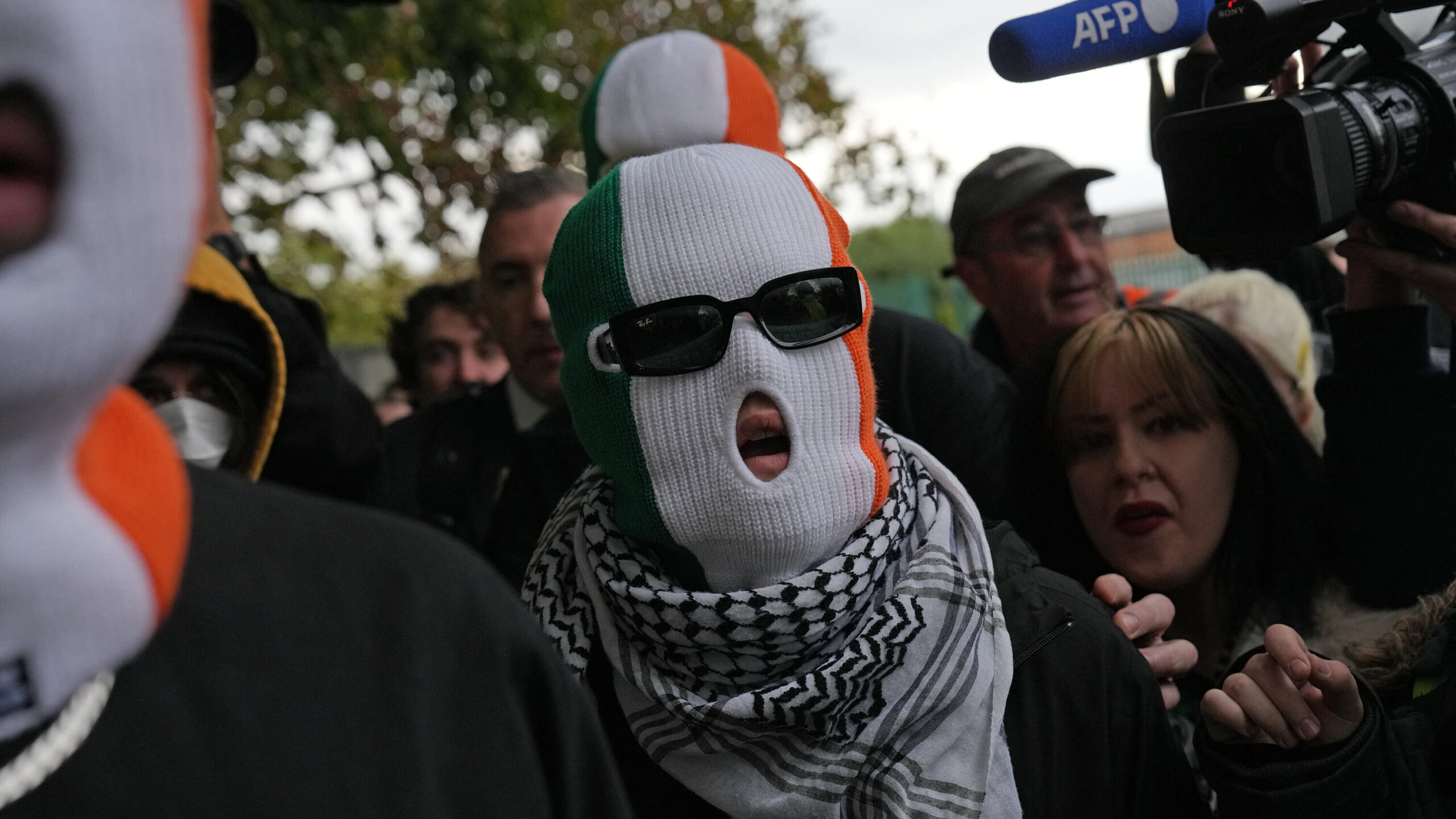
Upon hearing the dismissal of the charges, supporters of Kneecap erupted in cheers within the courtroom. This overwhelming response underscores the group’s significant following and the emotional resonance of their political messaging. Mo Chara’s choice to wear a balaclava in the colors of the Irish flag as he entered the court sent a clear message about identity and resistance. The moment was emblematic of a struggle that transcends personal accusations and touches on larger issues of colonial legacy and cultural resilience.
Public response has been a mixture of celebration among fans and scrutiny from critics who argue that the display of symbols associated with proscribed organizations can provoke societal tensions. Nevertheless, the legal victory highlights an essential aspect of cultural expression— the need for safe spaces where individuals can voice dissent without fear of repression.
Navigating the Legal System: A Case Study
This legal outcome presents an opportunity to examine the legal framework within which artists operate. The implications of the Kneecap rapper terrorism charge dismissal are profound, not only for Mo Chara but for artists everywhere who engage with political content. The case illustrates the importance of procedural integrity when bringing charges against individuals, particularly those engaging in forms of expression that may challenge societal norms.
In evaluating the court’s decision, it becomes clear that understanding legal rights is crucial for artists. They must navigate a landscape that can often be hostile to politically charged performances. Organizations advocating for artists’ rights must continue to engage with both legal systems and cultural institutions to ensure that free speech is upheld and that artists are protected in their efforts to speak truth to power.
Conclusion: The Path Forward for Artists
The dismissal of the Kneecap rapper terrorism charge is more than just a legal victory; it represents a reaffirmation of the rights of artists to engage in political discourse through their work. As cultural expressions continue to evolve, the legal system must adapt to ensure that artists can operate within a framework that promotes freedom of expression rather than stifles it.
The Kneecap case is a reminder of the vital link between art and activism. It serves to inspire a generation of artists who seek to challenge the status quo and advocate for change in a world that often resists it.
To deepen this topic, check our detailed analyses on Music section