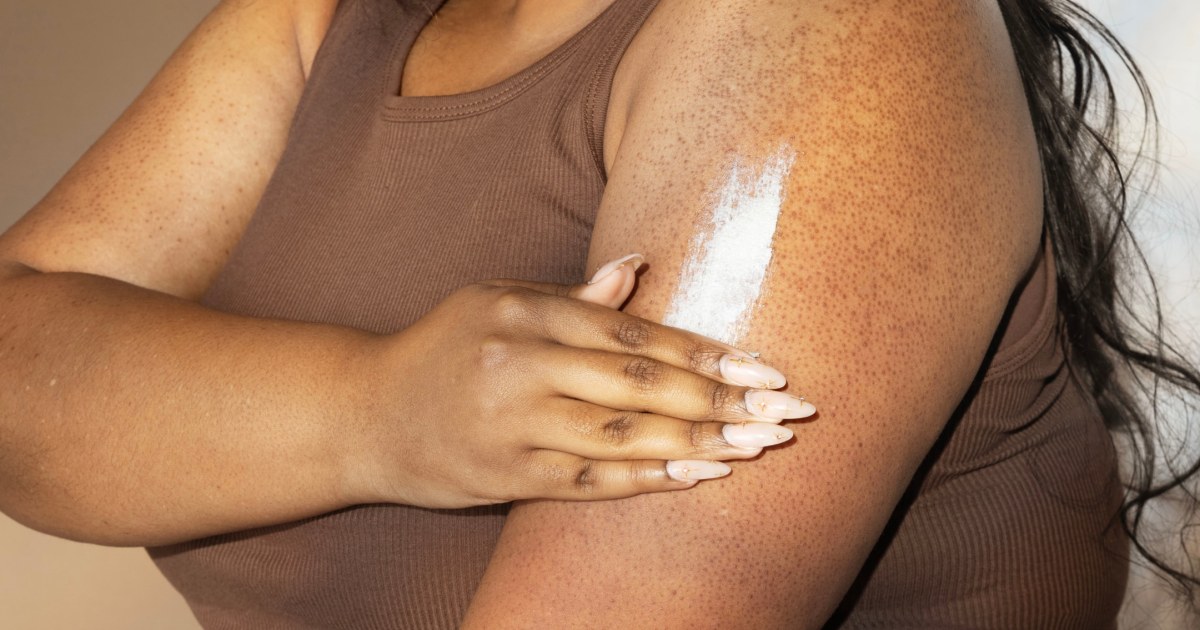
Struggling with rough, bumpy skin? You’re not alone. Keratosis pilaris is a common skin condition affecting 50% to 80% of teenagers and 40% of adults at some point in their lives, according to the Cleveland Clinic. Often referred to as “KP,” this condition results in small, rough bumps on the skin that can be both frustrating and embarrassing. Despite being chronic with no known cure, there are effective keratosis pilaris treatments available to alleviate symptoms and improve skin texture. In this guide, we’ll explore some of the best treatments for this condition to help you achieve smoother skin.
Understanding Keratosis Pilaris: Causes and Symptoms
Keratosis pilaris occurs due to the accumulation of dead skin cells that clog hair follicles, resulting in small, raised bumps. These are commonly described as “chicken skin” or “strawberry skin” and can appear in various skin colors, including red and white. The condition is most often found on the upper arms, thighs, and buttocks, and is known to worsen with hormonal changes, such as during puberty or pregnancy. Dermatologists believe that genetic factors play a significant role in the likelihood of developing KP, especially for those prone to eczema.
If you’re experiencing KP and its associated bumps, know that you’re not alone. As dermatologists suggest, effective keratosis pilaris treatments focus on exfoliating and moisturizing the skin, helping to prevent the accumulation of dead skin cells. This two-pronged approach is vital in maintaining smoother skin.
Effective Treatments for Keratosis Pilaris
When seeking keratosis pilaris treatments, dermatologists recommend using both exfoliating and moisturizing products. Here are some of the most highly recommended options that dermatologists swear by:
- CeraVe SA Lotion for Rough & Bumpy Skin: This lotion features salicylic acid and lactic acid, which work together to exfoliate and moisturize. It’s fragrance-free and noncomedogenic, making it ideal for sensitive skin.
- Ebanel Urea Cream: With 40% urea content, this cream provides intensive hydration while exfoliating the skin. It’s fragrance-free and contains soothing ingredients like aloe and coconut oil.
The combination of chemical exfoliants and hydrating ingredients can greatly improve the appearance of KP. Adding moisturizers that contain glycerin, hyaluronic acid, and ceramides can also enhance hydration levels, while anti-inflammatory agents like niacinamide are beneficial for reducing red, irritated bumps.
How to Implement a Keratosis Pilaris Treatment Routine
Establishing a consistent treatment routine is essential for anyone dealing with keratosis pilaris. Here’s a simple guide to follow:
- Exfoliate: Use a product with glycolic acid or salicylic acid 1-2 times a week to gently remove dead skin cells.
- Moisturize: After exfoliating, apply a hydrating lotion to help lock in moisture and prevent dryness.
- Regular Maintenance: Consider integrating a gentle scrub like First Aid Beauty KP Bump Eraser Body Scrub into your routine to enhance skin texture.
Consistency is key; while some individuals may see improvement after a few weeks, regular application is crucial to keeping symptoms at bay. If you’re unsure which products are best for your skin type, consult with a dermatologist who can provide personalized advice.
The Role of Lifestyle in Managing Keratosis Pilaris
Aside from topical treatments, maintaining a healthy lifestyle can help manage keratosis pilaris. Staying hydrated by drinking plenty of water can improve skin texture, while a balanced diet rich in vitamins A, C, and E can support overall skin health. Additionally, using a humidifier during dry winter months can combat the dryness exacerbated by cold weather.
Just like the strategies discussed in our analysis of blackhead removal, managing KP requires a comprehensive approach that combines both external treatments and internal support through diet and hydration.
Concluding Thoughts on Keratosis Pilaris Treatments
While keratosis pilaris may not have a definitive cure, numerous effective keratosis pilaris treatments can significantly ease symptoms. By utilizing a diligent exfoliation and moisturizing routine, as well as adopting a healthier lifestyle, you can achieve smoother skin and better manage this common skin condition. For further insight, consider checking our detailed analyses on related skin concerns like scar treatments and rosacea treatment.
To deepen this topic, check our detailed analyses on Beauty & Skincare section