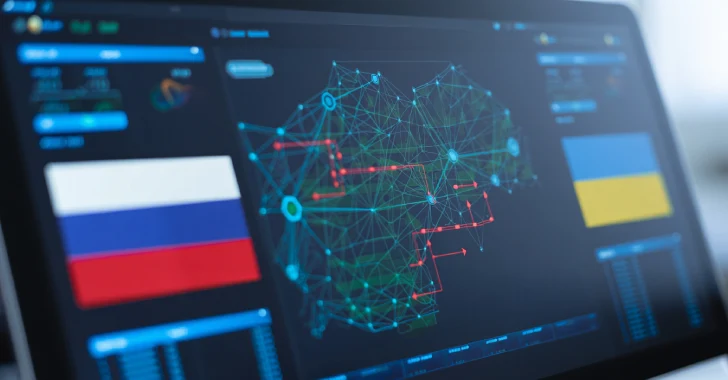
Cybersecurity threats are evolving at an alarming rate, especially in regions like Ukraine where conflict escalates the stakes. Recent reports reveal a shocking collaboration between Russian hacker groups Gamaredon and Turla, aimed at deploying the sophisticated Kazuar Backdoor. According to cybersecurity research, this malware has significant implications for targeted entities in Ukraine, showcasing a critical need for enhanced security measures. Understanding the dynamics behind such collaborations can provide invaluable insights into defending against similar attacks in the future.
Understanding the Kazuar Backdoor and Its Impact
The Kazuar Backdoor is a highly versatile malware tool that has notably been used in cyber-espionage. Cybersecurity experts have identified that it enables attackers to infiltrate networks, gather sensitive information, and even maintain persistent access to compromised systems. In recent incidents, this malware has been deployed in conjunction with tools from the Gamaredon group, which has been particularly active in attacks targeting the Ukrainian government.
The alliance between Gamaredon and Turla is believed to have developed as a response to intensified conflict in Ukraine. Reports indicate that the use of the Kazuar Backdoor has enabled attackers to bypass defenses and launch targeted operations against key infrastructure. The implications are grave, showcasing how malware can significantly disrupt national security efforts.
Recent Deployments: A Closer Look at the Kazuar Backdoor
In early 2025, cybersecurity firm ESET indicated that they observed the deployment of the Kazuar Backdoor through various methods, leveraging tools like PteroGraphin and PteroOdd. These tools are essential components of the attack chain, allowing hackers to deploy malware covertly. ESET’s investigations revealed that these attacks were carefully orchestrated to recover and maintain access to compromised systems.
For instance, in February 2025, it was reported that PteroGraphin was utilized to restart the Kazuar backdoor, indicating active engagement by Turla in recovery efforts after potential failures or interruptions in attacks. Such tactics underline the collaborative efforts between the two hacking factions, further complicating defense strategies for cybersecurity analysts.
Threat Level and Defensive Strategies Against the Kazuar Backdoor
The threat posed by the Kazuar Backdoor continues to loom large, especially given the evolved capabilities of its deployers. The malware is known to harvest a vast array of system information, which can then be exfiltrated to external domains. Notably, it has been capable of collecting data such as computer names and system drive serial numbers, turning it into a formidable tool for espionage.
For enterprises and government institutions, understanding the nuances of the Kazuar threat is crucial. Strategies like regular software updates, employing robust firewall solutions, and staff training on recognizing phishing attempts are fundamental. As emphasized in our analysis of firewall security, maintaining a solid perimeter defense can significantly mitigate risks associated with sophisticated malware.
The Role of Internal Security Measures Against Kazuar
Implementing internal security measures is paramount in combating threats like the Kazuar Backdoor. Organizations must focus not only on external threats but also on internal vulnerabilities. Regular audits and monitoring can help identify weaknesses that could be exploited by malware.
For instance, Gamaredon has a history of utilizing spear-phishing techniques to gain initial access. Therefore, organizations must establish strong email filtering systems and educate their workforce on recognizing suspicious communications. Our discussions around proactive cybersecurity measures align with this approach, emphasizing the necessity for early detection and response strategies.
The Evolving Nature of Cyber Threats: Lessons from Kazuar Deployments
The landscape of cyber threats is ever-changing, as demonstrated by the operations surrounding the Kazuar Backdoor. The collaboration between Gamaredon and Turla is not only a testament to the sophistication of cyber-espionage activities but also an indicator of the complex relationships among threat actors.
Organizations must stay informed of emerging threats and continually adapt their strategies. As seen in related cases, such constant vigilance helps mitigate damage and safeguard sensitive information. To enhance your understanding, consider exploring insights regarding data security practices that can further reinforce your defenses against evolving threats.
Conclusion: The Imperative to Stay Ahead of Cyber Threats
The alliance between Gamaredon and Turla to deploy the Kazuar Backdoor underscores the significant threats posed by coordinated cyber-espionage efforts. As attacks become more sophisticated, it is crucial for organizations to implement comprehensive cybersecurity strategies that encompass prevention, detection, and response frameworks. By understanding the tactics employed by these groups and strengthening defenses against tools like Kazuar, entities can better protect themselves against the ever-evolving landscape of cyber threats.
To deepen this topic, check our detailed analyses on Real Estate section