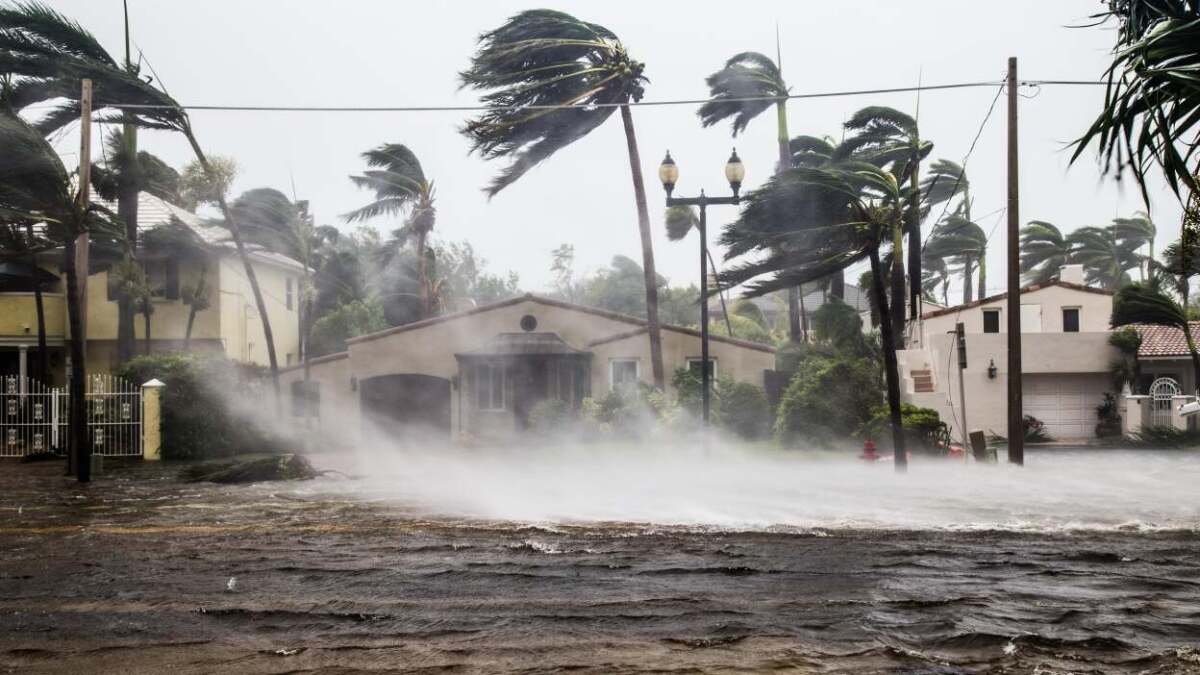
A troubling reality of global climate change is the escalation in the intensity of hurricanes. Astonishingly, four of the six strongest hurricanes on record have occurred since 2005, with the recent Hurricane Melissa, a category 5 storm, devastating Jamaica. Everyone residing near the U.S. coasts faces potential threats from these destructive storms, driven by factors such as high winds, downed power lines, and particularly devastating storm surge and freshwater flooding—the primary causes of hurricane-related fatalities. However, prioritizing hurricane safety can significantly enhance your chances of weathering these natural disasters effectively.
Understanding Hurricane Alerts: Advisory, Watch, and Warning
Understanding the distinctions between a hurricane advisory, watch, and warning can help you stay prepared and informed. The National Weather Service (NWS) issues these alerts to help gauge the severity of an approaching storm.
- Hurricane Advisory: This alert indicates that a storm may cause significant inconveniences that could be hazardous but are not immediately life-threatening.
- Hurricane Watch: Issued when there is a potential for a hurricane within the next 48 hours. It’s essential to monitor updates via local radio or NOAA Weather Radio.
- Hurricane Warning: A significant alert indicating an expected hurricane within 36 hours. Prepare to evacuate if local authorities advise.
Key Steps for Hurricane Evacuation and Safety
To emphasize hurricane safety, having a well-thought-out evacuation plan is crucial. Here’s how to ensure you’re prepared:
- Establish an Evacuation Plan: Familiarize yourself with your community’s evacuation routes through your state’s Department of Transportation or Office of Emergency Management.
- Secure a Place to Stay: Inform family or friends about where you’ll be staying, or locate a nearby emergency shelter using the FEMA mobile app.
- Prepare Your Vehicle: Ensure your car is filled with gas and stocked with emergency supplies, ready to leave at a moment’s notice.
- Pack a Go-Bag: Each household member should have a go-bag with essential items such as water, non-perishable food, a flashlight, backup phone power, and important documents.
- Account for Pets: Don’t forget to include your pets in the evacuation plan. Ensure they have what they need, too.
Protect Your Home Before a Hurricane Hits
Preparing your home is a critical aspect of hurricane safety. If time allows, take the following steps to secure your home against strong winds and potential flooding:
- Reinforce Doors and Windows: Ensure all windows, skylights, and sliding glass doors are securely covered. Use plywood for protection, but adhere to proper installation guidelines.
- Clear Your Yard: Bring in outdoor furniture, garden tools, and other loose items that can become projectiles during the storm. Trim trees to prevent branches from causing damage.
- Avoid Taping Windows: Contrary to common belief, taping windows is ineffective and can create larger shards of glass when broken.
- Prepare for Flooding: Clean gutters and drains, elevate heating systems and electric panels, and avoid placing valuables in the basement or low areas.
What to Do After a Hurricane Passes
The aftermath of a hurricane is as critical as preparation. Here are essential actions to take to ensure continued hurricane safety:
- Avoid Floodwaters: Stay out of any flooded areas, as they may contain dangerous chemicals and electrical hazards.
- Be Aware of Fallen Power Lines: Avoid any contact with downed power lines as they pose serious electrocution risks.
- Ensure Food and Water Safety: Discard any food or beverages that might have come into contact with floodwaters.
- Follow Civic Authorities’ Directions: Always listen to local emergency broadcasts for updates and instructions.
While receiving updates through alerts is crucial, ensure everyone in your household knows the protocol. Similar to strategies discussed in floodwater health risks, keeping communications open can save lives.
To deepen this topic, check our detailed analyses on Life Hacks & Productivity section.