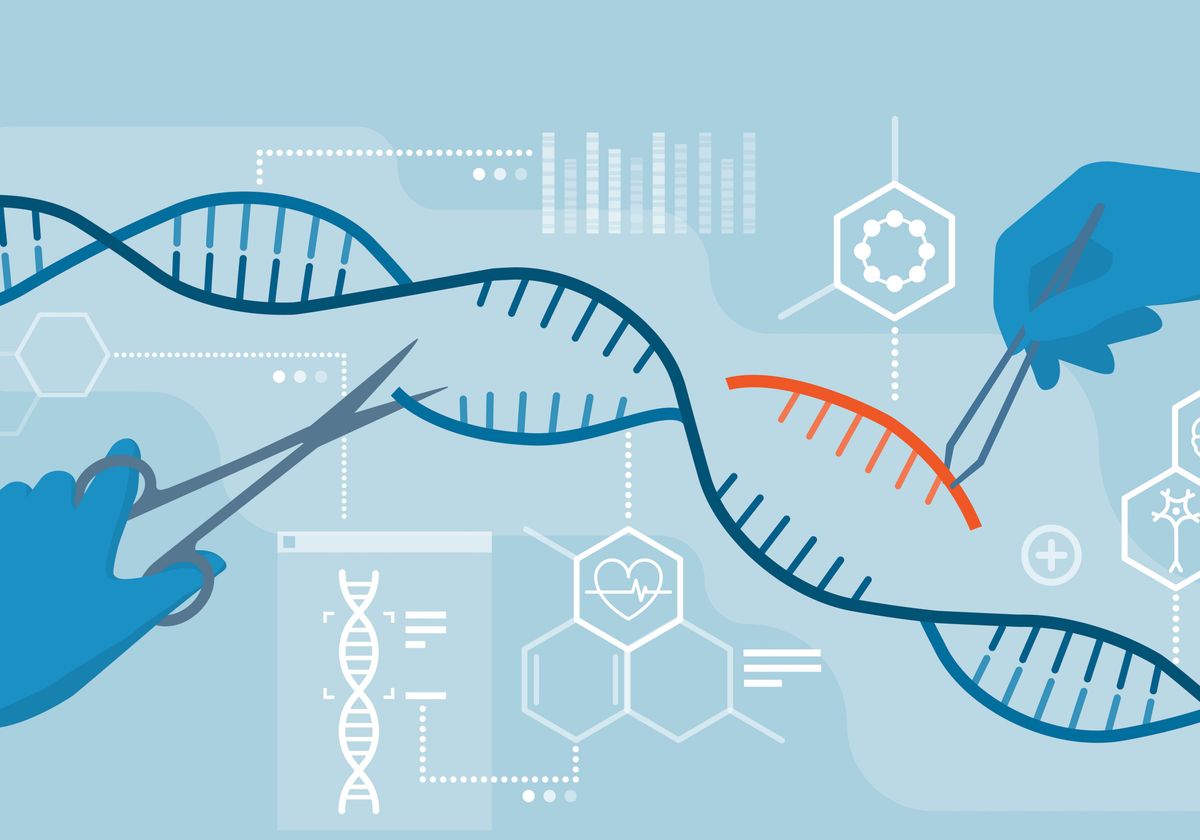
Gene editing techniques have revolutionized the field of genetics, offering unprecedented opportunities to address chronic diseases and genetic disorders. With advancements such as CRISPR, prime editing, and nucleases, researchers are gaining ground in the battle against conditions such as cancer and hereditary diseases. In fact, studies indicate that gene editing can potentially eliminate or significantly reduce the impact of numerous genetic disorders affecting millions globally. At the forefront of health research, these gene editing techniques promise not just therapeutic benefits, but also the advancement of personalized medicine, enhancing the quality of life for patients. By exploring the sophisticated world of gene editing, we uncover how these tools shape the future of medical treatment.
What Are Gene Editing Techniques?
Gene editing techniques represent a collective innovation in the genetic sciences, allowing scientists to make precise modifications to an organism’s DNA. Among the most widely recognized and utilized methods are:
- CRISPR-Cas9: A groundbreaking tool that enables precise cuts and modifications in the DNA sequence.
- Prime Editing: Often touted as a more accurate and versatile alternative to CRISPR, allowing for more refined edits without introducing double-strand breaks.
- Zinc Finger Nucleases (ZFNs): Proteins engineered to bind DNA and create targeted modifications, paving the way for specific changes.
Each of these gene editing techniques shares the essential goal of altering genetic sequences to achieve desired outcomes in research and treatment. As scientists explore their potential further, the possibilities seem limitless, significantly extending the boundaries of genetic research.
Applications in Health and Disease Management
The potential applications of gene editing techniques in health care are tremendous. For instance, CRISPR has been employed in clinical trials to treat genetic disorders such as sickle cell disease and beta-thalassemia, demonstrating encouraging results. Notable advances have also been made in oncology, where gene editing enables researchers to target specific mutations associated with different types of cancer.
Moreover, these techniques are instrumental in disease modeling, providing researchers insights into disease pathways and potential interventions. The application extends to precision medicine, where targeted therapies based on individual genetic profiles enhance treatment effectiveness. As explored in our analysis of automated target enrichment, the integration of these approaches streamlines genomic workflows, allowing for rapid advancements in treatment strategies.
Precision Medicine and Genetic Disorders
One of the most transformative impacts of gene editing techniques lies in their potential to enhance precision medicine. By tailoring treatments based on a patient’s genetic makeup, healthcare providers can deliver personalized therapy that directly targets the underlying causes of diseases.
For example, gene editing can be utilized to correct mutations at the genomic level that lead to diseases like cystic fibrosis or muscular dystrophy, drastically improving patient outcomes. There’s also growing interest in using these techniques to develop therapies for rare genetic disorders, which currently lack effective treatments. This individualized approach boosts the efficacy and efficiency of treatments, potentially reducing healthcare costs while improving quality of care.
Ethical Considerations and Future Challenges
While the advancements in gene editing techniques hold immense promise, they come with ethical challenges that warrant careful consideration. The potential for unintended consequences and the long-term effects of gene editing raise important questions about the implications for future generations.
Discussions around ethical frameworks are crucial as researchers navigate the complexities of gene editing applications. This includes addressing concerns related to germline editing and the possibility of “designer babies,” which may spark public debate about the limitations and extent of human intervention in natural processes. Similar to strategies discussed in AI in healthcare, ethical considerations must evolve alongside technological advancements to ensure responsible use.
The Role of Research and Innovation
The ongoing research in gene editing techniques is pivotal in assessing their safety and efficacy. Continuous innovation is critical to overcoming current challenges, such as off-target effects and delivery methods. Enhanced delivery systems and improvements in editing precision will likely open new avenues for treatments and therapies.
Moreover, collaborations between researchers, policymakers, and healthcare professionals will be essential in establishing guidelines, fostering innovation, and ultimately ensuring that these techniques benefit society. As highlighted in our guide on training guides for precision gene editing techniques, educational resources are key to equipping the next generation of scientists with the tools they need to make informed decisions.
To deepen this topic, check our detailed analyses on Public Health section