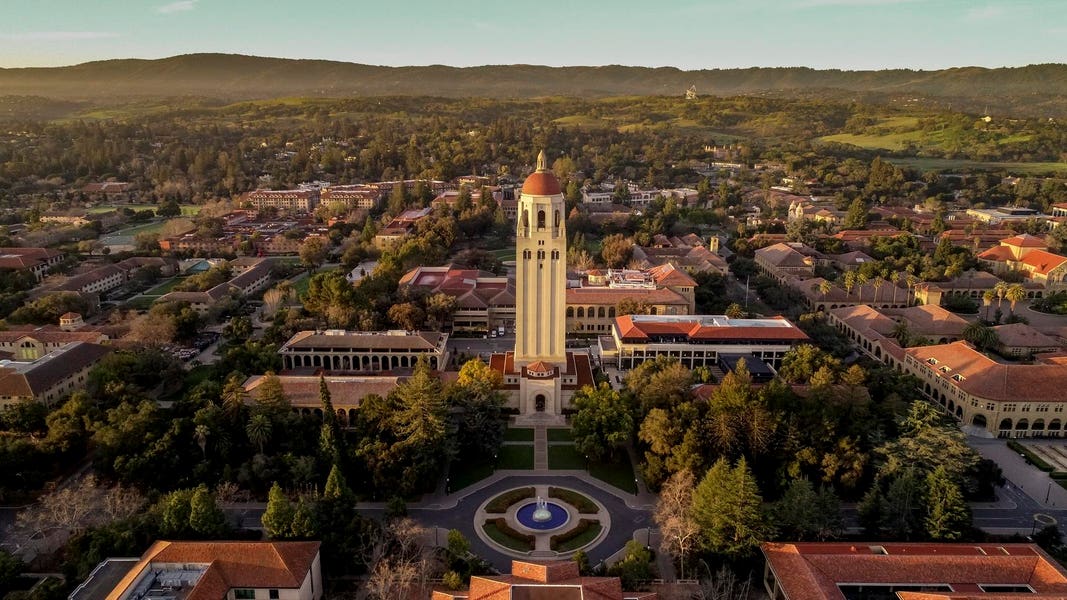
In an era defined by rapid technological advancement, the future of education is undergoing a profound transformation. Recent studies reveal that over 80% of educational institutions are now integrating online learning methods, opening a new frontier of accessibility and personalization. This dramatic shift is not merely reactive; it heralds a holistic rethinking of what education means in a world where artificial intelligence and digital tools dominate. As we delve into this evolving landscape, we uncover unique insights into how the future of education will not only equip students with knowledge but also shape them into adept problem solvers who can leverage these technological advancements.
The Integration of AI in Learning
Education is standing at an inflection point. With the rise of AI, traditional forms of learning are being revolutionized. Language models, trained on vast amounts of data, are now outperforming humans on standardized tests. For instance, educators have noted that AI systems can score in the top 10% on exams ranging from the SAT to various professional certifications. This raises an essential question: If machines can emulate human capabilities, what is the purpose of education?
The future of education may be centered on developing a curriculum that emphasizes critical thinking, creativity, and emotional intelligence. It necessitates a pivot from rote learning to training students on how to utilize AI tools effectively—teaching them to direct these technologies toward addressing real-world challenges.
As universities adapt, many are exploring hybrid models that blend traditional lectures with AI-driven personalized study programs, transforming the educational experience into something far more engaging and relevant. This also means that educators must evolve alongside these technologies, redefining their roles from information dispensers to facilitators of knowledge.
Embracing the Evolution of Work
The future of education also intersects with the changing nature of work. A staggering statistic shows that 60% of the jobs we see today did not exist 80 years ago. As roles continue to evolve, the concept of jobs needs re-evaluation. Rather than viewing jobs as singular roles, we should see them as a portfolio of tasks.
At the recent Stanford Open Minds event, experts discussed this paradigm shift, emphasizing that every job consists of various tasks that prerequisites different skill sets. Some tasks are easily automated; others require uniquely human capabilities like judgment and creativity. For example, while AI can assist in performing data analysis for a research analyst, it cannot replace the invaluable nuances that come from human interaction in professional networking.
Moving forward, the new workforce will need training not only on operational skills but also on mastering that task portfolio concept. Educational systems must adapt to guide students on how to leverage technology appropriately while honing their uniquely human attributes.
AI-Driven Accessibility in Education
As we consider the future of education, access becomes a critical component. AI has the potential to democratize learning resources, making them available to a broader audience. With software development costs plummeting, advanced educational tools are within reach not only for prestigious institutions but also for small startups and local community colleges.
Educational programs supported by AI can cater to various learning styles and needs, allowing for inclusive education that meets students where they are. This is akin to the strategies discussed in our analysis of automating workflows, empowering educators to create customized curricula at an unprecedented scale.
As generative models evolve, we may witness an influx of new, affordable educational platforms that facilitate personalized learning experiences, fostering an environment where every learner can thrive.
Implementing AI Solutions in Education
The transition to a digitally-enhanced educational system doesn’t stop at access. There is an urgent need for skilled facilitators—individuals who can bridge the gap between technology and its application in educational settings. This includes AI implementation managers who understand how to incorporate advanced technology into existing frameworks.
The future of education relies heavily on these professionals to ensure technology is used effectively. Schools and educational institutions will not benefit fromAI tools if implementation isn’t tackled appropriately. This requires an understanding of both the technological aspects and the cultural nuances within classrooms.
Furthermore, just as explored in our discussions on no-code AI tools, educators will need training on how to use AI tools creatively.
In conclusion, the real challenge for educational institutions lies not just in integrating technology but in rethinking educational frameworks to nurture the skills needed in a rapidly changing world.
To deepen this topic, check our detailed analyses on Entrepreneurship section