
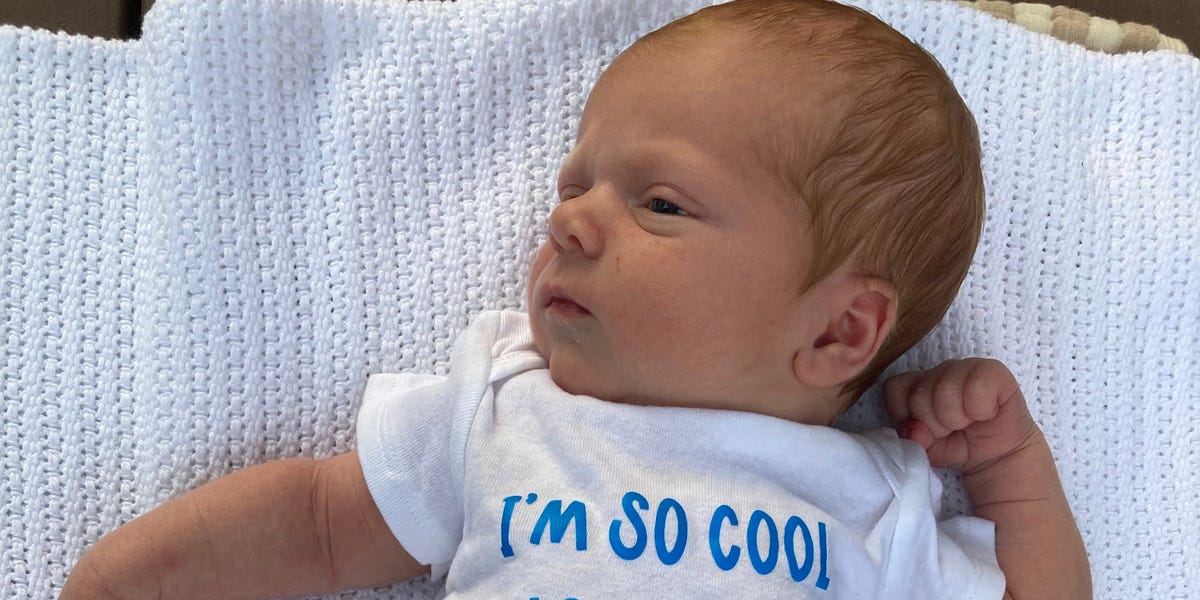
Imagine the miracle of life nestled in the depths of cryopreservation for over three decades. The story of baby Thaddeus Pierce, born from an embryo that had been frozen for more than 30 years, is nothing short of extraordinary. This remarkable journey began when his embryo was cryopreserved in 1994, demonstrating the potential of modern science in transforming frozen embryos into cherished children. Just like Thaddeus, there are countless frozen embryos waiting for a chance to become part of a family, highlighting the significance of embryo adoption and the hope it brings to many. In this article, we explore the incredible journey of frozen embryos, their future, and the possibilities they hold for families seeking to create their own.
Understanding Frozen Embryos
Frozen embryos are created during the in vitro fertilization (IVF) process, where eggs are fertilized with sperm and then preserved for future use. These embryos can be stored in liquid nitrogen, allowing families to make decisions about their development at a later time. In the case of Thaddeus, he became part of a remarkable chapter in reproductive health, becoming the longest-frozen embryo to ever result in a live birth.
Before delving into specific stories, it’s essential to understand the advancements in embryo freezing technology that make such stunning outcomes possible. The use of cryopreservation has allowed many families to successfully conceive after several years of infrequent attempts. Couples facing infertility may benefit from techniques involving frozen embryos, gaining a second chance to build a family.
- Long-Term Storage: Embryos can be preserved for years, as seen in Thaddeus’s case.
- Flexibility: Families can decide when to use their frozen embryos based on their personal circumstances.
The benefits of using frozen embryos extend beyond just convenience; they also provide a solution for couples challenged by infertility. As families increasingly turn to IVF, understanding the role of frozen embryos in family planning becomes more critical than ever.
The Benefits of Adoption of Frozen Embryos
Embryo adoption is an evolving path through which families can expand. Growing numbers of couples strive to adopt frozen embryos, giving hope to those who may struggle to conceive on their own. Just like Lindsey and Tim Pierce, many couples are finding joy in bringing a frozen embryo to life.
For the Pierces, the decision to adopt an embryo was born out of a history of infertility. After several years filled with disappointments, they discovered an embryo adoption agency that stored embryos. They embraced the idea of adopting not only as a way to expand their family but also as a means of giving a chance to embryos waiting for loving families. This heartfelt choice invites a myriad of emotions—joy, anticipation, and above all, hope.
- Hopeful Outcomes: Adopting frozen embryos can lead couples to their long-awaited dreams of becoming parents.
- Creating Families: Embryo adoption allows the possibility of creating lifelong family bonds, enriching lives.
In many instances, couples who are unable to conceive using traditional IVF methods turn to frozen embryos as an alternative. This path often leads to fulfilling family experiences that would otherwise remain unattainable. The transformative power of funded programs assisting embryo adoption frequently unites people, similar to the strategies discussed in our healthy habits analysis, which celebrates family development and parenting journeys.
Real Stories: Thaddeus’s Journey
Thaddeus Pierce’s story is among the most remarkable in the world of frozen embryos. Conceived in 1994, he entered this world on July 26, 2025. His conception and entry into being pushed forward the conversation on embryo viability and the infinite potential held within a single frozen embryo.
Thaddeus’s mother, Lindsey, expressed the emotional aspects of their journey. After facing years of trials, including unexplained infertility and unsuccessful embryo transfers, their persistence paid off. When they learned about the embryo adoption program, the hope rekindled for what seemed a distant dream. Their experience embodies the spirit of many families navigating through similar roads, demonstrating the transformative power of frozen embryos.
As the first baby born from a frozen embryo more than 30 years old, Thaddeus’s birth is a beacon of hope and possibility, highlighting the scientific advancements in the fertility field. His journey is not merely about statistics; it’s a story about the embracing of life, the gift of parenthood, and the profound impact of modern medicine.
Looking Ahead: The Future of Frozen Embryos
As the technology surrounding frozen embryos continues to evolve, it raises questions about the future and what it holds for families. Thaddeus’s record-breaking birth opens the door to further discussion about the ethics and potential of embryo use. With advancements in research and techniques, the prospects for families looking to adopt frozen embryos will only increase.
Moreover, there is a crucial element of societal acceptance regarding the adoption of frozen embryos and the conversations that need to happen to normalize these choices. Just as topics surrounding fertility and mental health have seen more discourse and understanding in the public sphere, embryo adoption presents a vital opportunity for similar dialogues. Similar to the insights shared in our analysis of mental health and wellness, exploring the emotional complexities surrounding frozen embryos allows families to better comprehend their options and experiences.
Conclusion: A Celebration of Life
Thaddeus’s journey symbolizes much more than a record; it personifies a valid hope for families formed through modern technology. As couples continue to explore the world of frozen embryos, their stories contribute to a larger narrative of love, perseverance, and the miracle of life. This conversation is essential, as it addresses infertility, familial desires, recovery, and growth at its core.
To deepen this topic, check our detailed analyses on Parenting section





1 Comment
Your article helped me a lot, is there any more related content? Thanks!