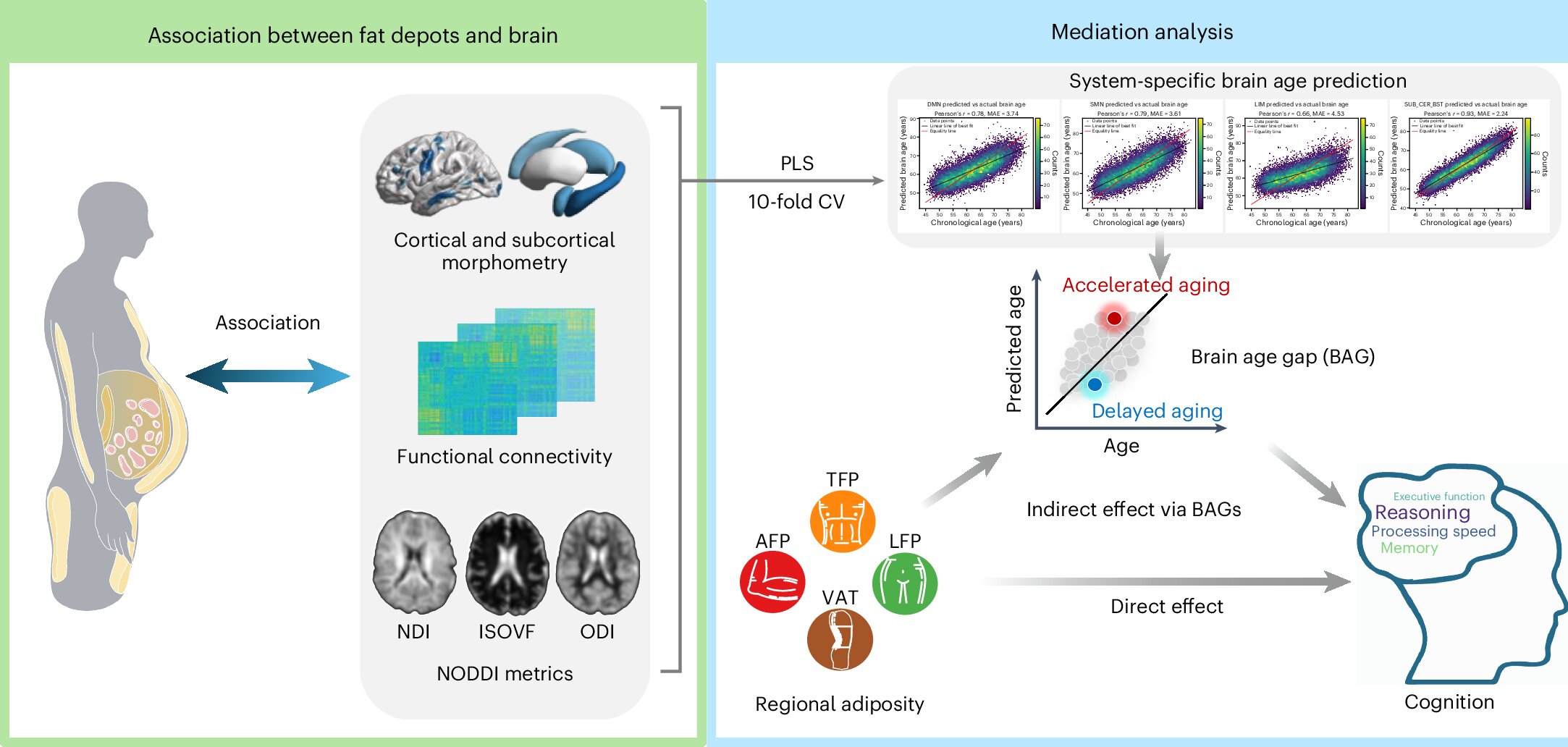
Emerging research pertaining to fat distribution brain aging reveals significant insights into how body fat locations relate to cognitive decline. Studies show that individuals with higher visceral fat—fat stored around the organs—may experience accelerated brain aging compared to those with more subcutaneous fat, which is located just under the skin. This understanding is vital as the prevalence of conditions linked to aging, such as Alzheimer’s disease, rises globally. In fact, a recent study highlighted that visceral fat, often associated with metabolic syndromes, is a key indicator in predicting cognitive decline, prompting researchers to advocate for intervention strategies that encourage healthier fat distribution through diet and exercise. By understanding the impacts of fat distribution, we can explore potential preventive measures that not only improve physical health but also enhance mental well-being.
Differentiating Fat Types: Visceral vs. Subcutaneous
Visceral and subcutaneous fat differ significantly in their effects on health, particularly with respect to brain aging. Visceral fat, which cushions the organs, releases inflammatory markers that can affect brain function. Studies indicate that individuals with high visceral fat levels are at an increased risk for developing cognitive impairments later in life. In contrast, subcutaneous fat, typically regarded as less harmful, may even play a protective role by cushioning the body and moderating stress responses. Furthermore, maintaining a balanced diet and engaging in regular physical activity can help redistribute body fat, promoting a healthier profile that supports brain longevity. For more insight on healthy eating habits, explore the secrets of the Mediterranean diet.
Strategies for Reducing Visceral Fat
Effective strategies for combating visceral fat are essential for reducing its impact on brain health. Incorporating regular exercise, such as weight lifting, not only aids in weight loss but also significantly improves metabolic rates and body composition. Studies suggest that strength training, when combined with cardiovascular activities, leads to greater reductions in visceral fat compared to exercise alone. Additionally, maintaining a balanced diet rich in whole grains, fruits, and vegetables can foster better fat distribution and overall cognitive function. For those interested in transforming their body and enhancing their health, check out our article on weight lifting for weight loss.
📊 Key Information
- Point 1: Fat distribution significantly affects cognitive health.
- Point 2: Lifestyle changes can improve fat profiles and brain function.
Recent Research Findings on Fat and Brain Health
Recent discoveries underscore the association between fat distribution and cognitive aging. A study published in early 2025 highlights that individuals with a higher ratio of visceral to subcutaneous fat display noticeable declines in memory and processing speed. This research supports the theory that fat distribution is not just a matter of aesthetics but has profound implications for brain health. Furthermore, understanding these links can propel public awareness around health interventions designed to reduce visceral fat levels, which ultimately may improve quality of life. Addressing this growing concern can be linked to broader discussions on emerging technology, such as low-orbit satellite internet that can facilitate access to health information.
Key Takeaways and Final Thoughts
The exploration of fat distribution and brain aging offers valuable insights regarding the influence of body fat on cognitive functions. It’s clear that lifestyles promoting healthy fat distribution can lead to meaningful improvements in brain health and longevity. By adopting proactive measures, such as regular exercise along with a balanced diet, individuals can significantly reduce their risk of cognitive decline. These findings suggest that future research should focus on public health strategies aimed at educating populations on the importance of fat distribution in the realm of aging and cognitive health.
❓ Frequently Asked Questions
What is visceral fat?
Visceral fat is the fat stored around internal organs, which can lead to metabolic issues and cognitive decline, making it crucial to monitor its levels.
How can I reduce visceral fat?
To reduce visceral fat, focus on regular exercise, a balanced diet, and mindful eating habits, all of which contribute to healthier body composition.
To deepen this topic, check our detailed analyses on Medical Innovations section