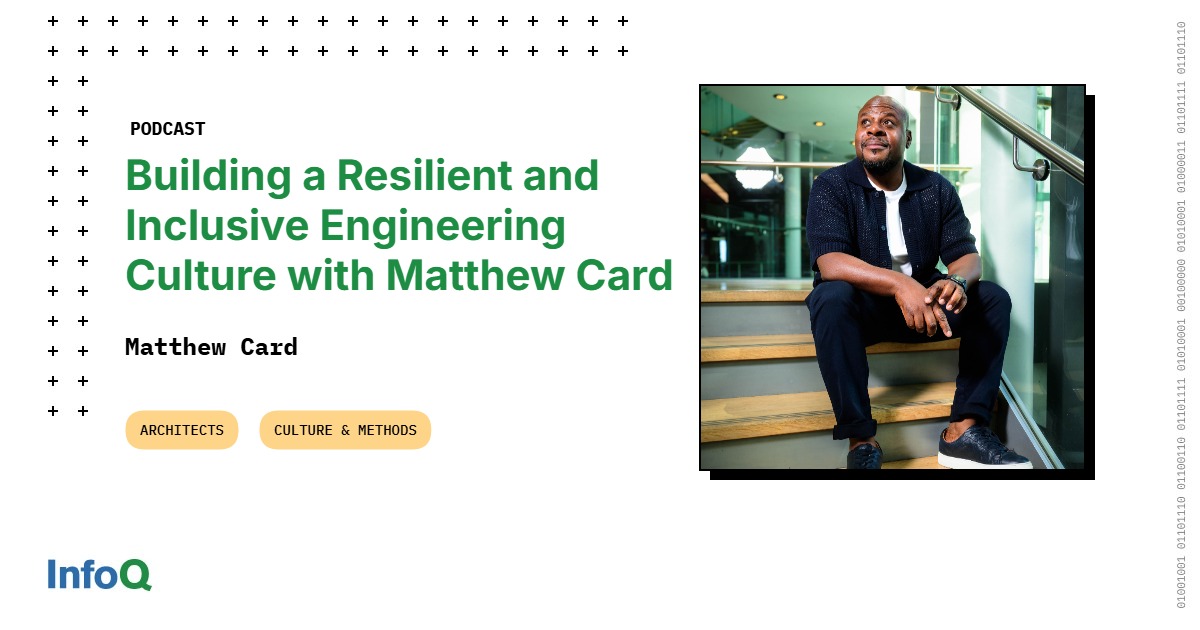
In today’s rapidly evolving tech landscape, fostering a strong engineering culture has become essential for organizations striving for success. This culture not only champions innovation but also emphasizes resilience and inclusion. Recent studies show that organizations with diverse engineering teams are 35% more likely to outperform their competitors. Building a resilient and inclusive engineering culture can transform how teams collaborate, innovate, and respond to challenges. A robust culture encourages open communication, embraces varied perspectives, and creates a supportive ecosystem for engineers to thrive.
The Importance of Engineering Culture in Technology
A well-defined engineering culture is crucial for achieving long-term organizational goals. It creates a shared understanding among team members about the values and practices that guide their daily efforts. Companies like Google and Microsoft exemplify the success achieved through a committed culture focused on innovation and collaboration. Furthermore, studies indicate that companies prioritizing cultural fit retain employees 30% longer, showcasing the tangible benefits of nurturing an engaging work environment.
To achieve this, leaders must advocate for inclusive practices that empower all team members. This might include diversity training, mentorship programs, and encouraging underrepresented voices in tech. A strong engineering culture fosters trust and accountability, paving the way for stronger collaboration and higher productivity. For additional insights on fostering innovative environments, refer to Forbes’ perspective on building effective engineering cultures.
Strategies for Building an Inclusive Engineering Culture
Creating an inclusive engineering culture involves implementing actionable strategies that promote diversity and equity. Organizations should prioritize mentorship programs for underrepresented groups, offering training that helps cultivate skills and build confidence. Additionally, fostering open communication channels is essential. Surveys show that teams with open dialogues experience a 25% increase in project success rates. This transparency enables all members to share insights and contribute to project ideas freely.
Moreover, companies can adopt platforms that recognize team achievements and innovative ideas. Integrating feedback loops can lead to continuous improvement and create a sense of ownership among employees. For those looking for further inspiration, the challenges faced can be likened to those discussed in strategies for breaking through organizational growth plateaus.
📊 Key Metrics
- Diversity Training: Improved Employee Satisfaction
- Mentorship Participation: Higher Innovation Rates
Ensuring Continuous Improvement in Engineering Culture
Your engineering culture should not be static; it needs regular assessments to ensure it evolves with the industry and workforce. Conducting annual surveys and feedback sessions can provide insights into areas needing change or improvement. Furthermore, fostering an environment where all voices matter can help identify potential blind spots in the company’s strategy.
Adopting technology solutions can significantly enhance these efforts, making it easier to track engagement and satisfaction metrics. Companies that utilize analytics software to assess their culture often find themselves ahead of the curve in employee retention and satisfaction. This connects to the ongoing trends in tech discussed in discussions on AI in today’s market landscape.
Key Takeaways and Final Thoughts
Creating a thriving engineering culture is an ongoing journey that requires emphasis on diversity, inclusivity, and continuous feedback. Organizations that ensure open communication and promote varied perspectives stand to gain not only in employee satisfaction but also in business performance. Ultimately, the goal is to create an ecosystem where every engineer can contribute meaningfully and feel valued. Start your journey towards a resilient engineering culture by actively engaging with your team and implementing these strategies.
❓ Frequently Asked Questions
What are the benefits of an inclusive engineering culture?
An inclusive engineering culture leads to higher employee satisfaction, increased innovation, and better business performance, ultimately driving organizational success and improving retention rates.
How can companies foster an inclusive culture?
Companies can encourage diversity by implementing mentorship programs, conducting regular feedback sessions, and utilizing technology for employee engagement metrics.
To deepen this topic, check our detailed analyses on Apps & Software section