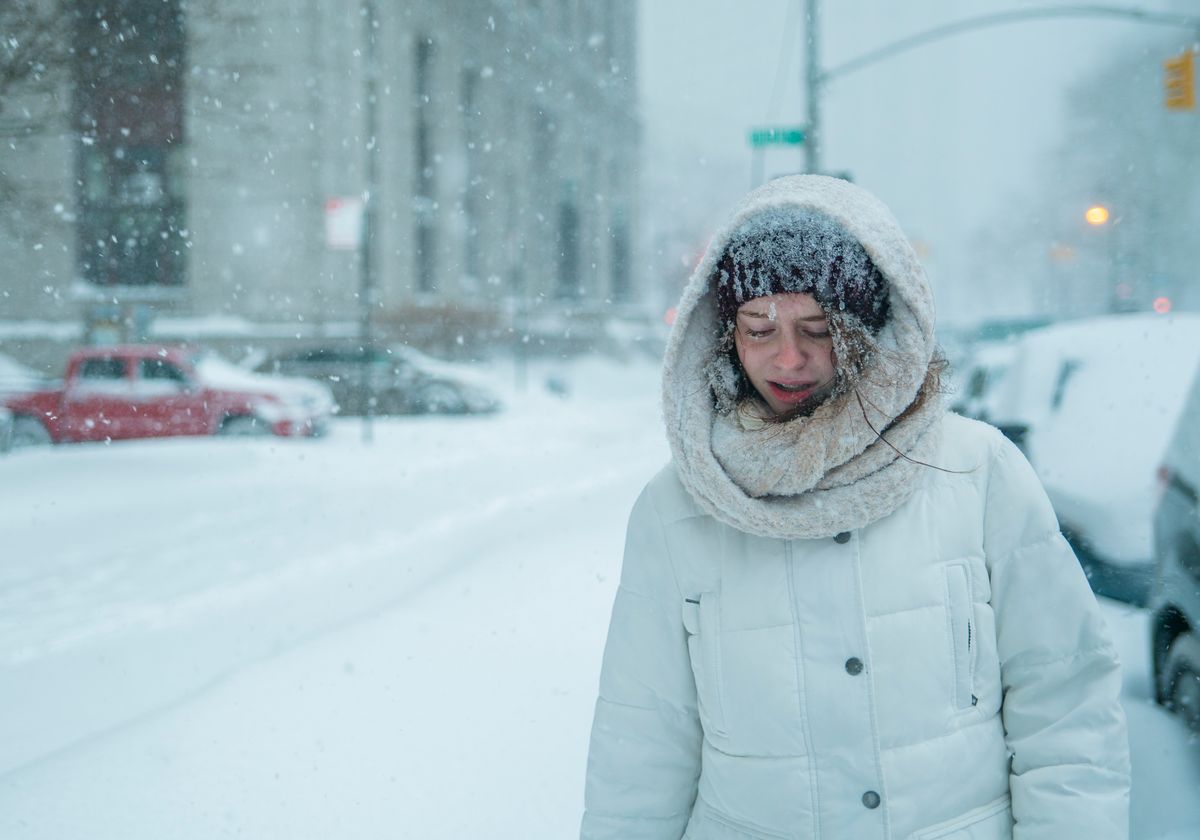
As the golden autumn hues give way to muted greys and winter whites, most people bring out their sweaters to keep the cold at bay. However, others stroll through the frosty air wearing shorts and a t-shirt, seemingly unfazed by the chill. There’s a fascinating reason why some people experience cold sensitivity more acutely than others, and it boils down to variations in body mass, muscle mass, and even genetics. Understanding these differences not only sheds light on individual comfort levels but also carries implications for health and wellness in colder climates.
In this article, we explore the reasons behind cold sensitivity, incorporating scientific insights and practical guidance to help you better understand and manage this physiological phenomenon.
What Factors Contribute to Cold Sensitivity?
Studies show that an individual’s history of cold exposure and their biological makeup significantly dictate their tolerance to low temperatures. This difference in cold perception can be attributed to the body’s acclimatization processes and structural characteristics.
According to Dr. François Haman, a biologist at the University of Ottawa who specializes in energy metabolism, cold sensitivity can be modified over time through repeated exposure. For instance, someone relocating to a colder climate may initially feel cold more intensely but can adapt to these conditions as their body acclimates.
When considering biological factors, body mass plays a crucial role. Individuals with a smaller body mass typically have a larger surface area relative to their volume, resulting in greater heat loss. Dr. Haman emphasizes this concept: “If somebody’s very small, they’re going to exchange [heat] with cold temperatures much faster. If they’re much bigger, it’s going to take more time.” This dynamic illustrates why cold sensitivity can vary widely among individuals.
Moreover, higher muscle mass promotes enhanced heat generation through metabolic processes, offering an added layer of protection against the cold. Simply put, muscle mass can be a formidable ally in combating cold sensitivity.
The Role of Genetics in Cold Sensitivity
Genetics also plays a pivotal role in determining how individuals respond to cold temperatures. For example, populations living in Arctic regions have evolved specific genetic traits that allow them to thrive in extreme conditions. Research into Inuit people from Greenland has revealed variants in genes linked to the development of heat-producing brown fat cells. These adaptations enable them to maintain a core body temperature despite harsh climates.
A separate study highlighted that individuals with a mutation in the gene encoding the skeletal muscle protein alpha-actinin-3 exhibited better temperature regulation compared to those without the mutation. This suggests that genetic diversity can influence cold sensitivity dramatically, affecting individuals’ reactions to frigid weather.
Additionally, variations in genes affecting blood flow can contribute to cold sensitivity. As blood vessels constrict in cold conditions, the skin receives less blood flow, making extremities like fingers and toes feel colder. However, this mechanism serves to protect the body’s core temperature, illustrating the complex interplay between genetics and our response to cold.
Improving Tolerance to Cold: Tips and Strategies
For those who find themselves struggling with cold sensitivity, implementing a few practical strategies can improve overall comfort and resilience. Here are some effective tips:
- Layer Your Clothing: Wear multiple layers to trap body heat effectively.
- Engage in Regular Exercise: Enhanced muscle mass can help generate more body heat.
- Acclimatize Gradually: Spend more time outdoors in the cold to help your body adjust.
- Maintain a Healthy Diet: Nutrients like omega-3 fatty acids can improve your body’s resistance to the cold.
To foster deeper insights into the intersection of genetics, health, and environmental adaptation, consider exploring strategies to enhance skin health, which, while different in topic, also touch on biological responses crucial for overall well-being.
Understanding Cold Sensitivity in Diverse Environments
Globally, differing climates and lifestyle choices contribute to an individual’s experience of cold sensitivity. Those accustomed to warmer regions may be less resilient to sudden drops in temperature, while individuals from traditionally colder areas find themselves better prepared. Considering these diverse backgrounds can provide insights into the practical adaptations necessary for living comfortably in various environments.
For example, as noted in our exploration of cognitive function and location, environmental factors play a significant role in shaping physiological responses. This highlights the intricate balance between genetics, environment, and individual lifestyle.
The Importance of Understanding Cold Sensitivity
In summary, recognizing the various factors contributing to cold sensitivity can empower individuals to make informed choices about their lifestyle and environmental exposure. Whether you often reach for sweaters at the first hint of chill or bravely face the cold in shorts, understanding how body mass, genetics, and acclimatization work together can significantly enhance your comfort level.
To delve further into relevant topics of health and adaptation, check out our analyses on early signs of aging, and stay informed on health strategies that can help you thrive regardless of your climate.
To deepen this topic, check our detailed analyses on Public Health section.