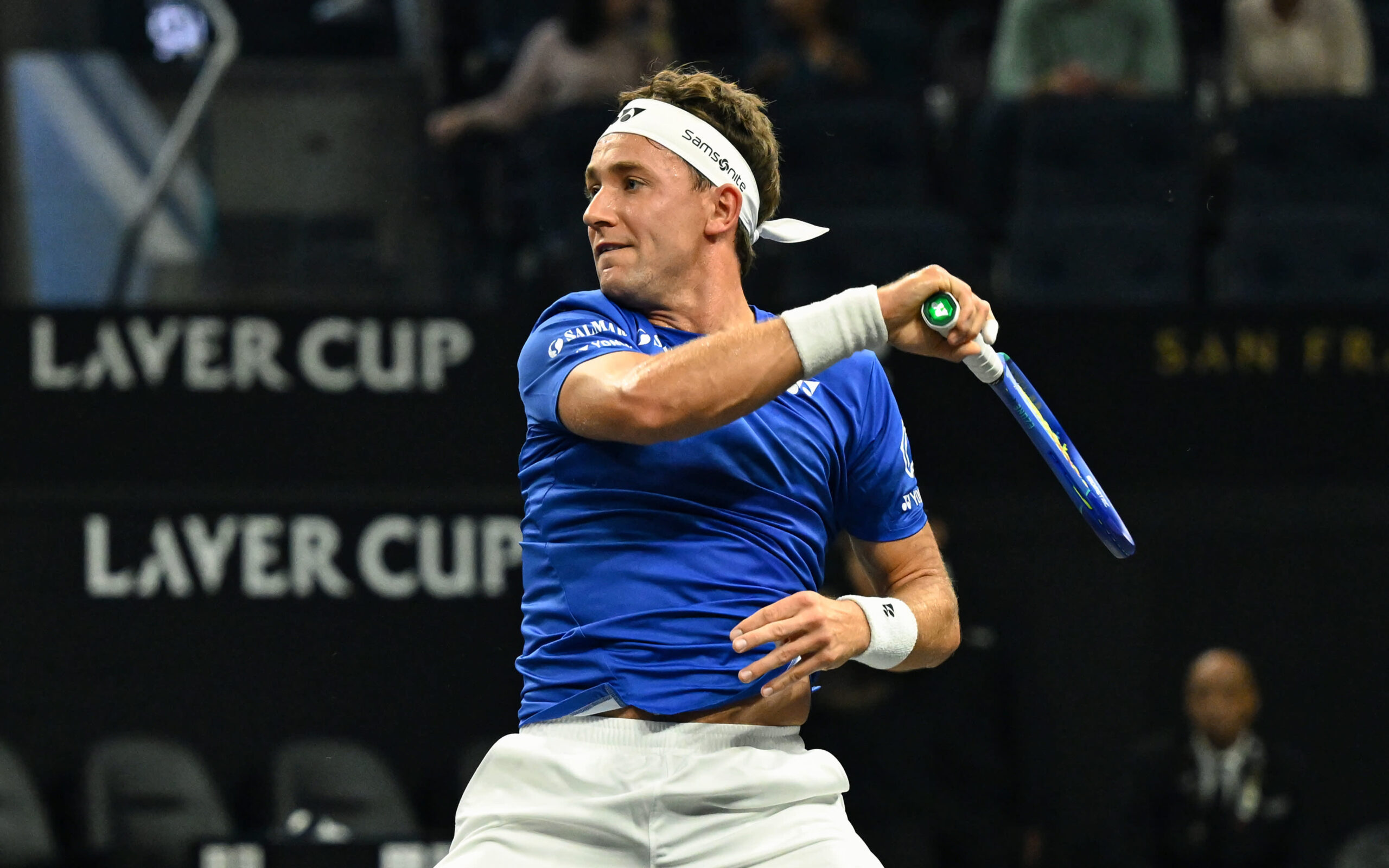
In the world of professional tennis, every detail matters, and slight changes can lead to significant impacts on performance. Recently, Casper Ruud made headlines with his **Casper Ruud racquet tweak** after securing a win at the Laver Cup. This minor adjustment has resonated with enthusiasts looking for insights into how even the smallest equipment modifications can enhance a player’s game. The compelling narrative surrounding Ruud’s evolution on the court not only captivates fans but also provides valuable lessons for aspiring tennis players.
With this fresh approach, Ruud managed to set a powerful tone for Team Europe, illustrating how adaptability can be crucial for success. In this article, we will explore the intricacies of Ruud’s racquet adjustments, the effects on his playstyle, and the broader implications for tennis players at all levels.
Understanding the Casper Ruud Racquet Tweak
Casper Ruud’s **racquet tweak** involved shifting from the Yonex EZONE’s 100 square-inch headsize to a more compact 98 square-inch model. This transition, while subtle, reflects a strategic alteration that many players consider to gain an edge. According to Ruud, the adjustments were not drastic: “Just a few adjustments: frame size, head sizes, balances, weight,” he explained. This remark highlights the importance of precision in equipment choices—small tweaks can lead to improved control and accuracy on the court.
Many players might find themselves in similar situations where minor adjustments could lead to transformative outcomes. Ruud’s strategy demonstrates that experimentation is vital. His ability to adapt and refine his tools allows him to embrace challenges more effectively. Similar to strategies discussed in our analysis of Carlos Alcaraz’s approach, this adaptability is key in high-pressure environments.
The Impact of Equipment on Performance
The role of equipment in sports performance can’t be overstated. For tennis players, the right racquet can dramatically influence their game. Ruud’s choice to downsize his racquet head resulted in better maneuverability and precision, allowing for cleaner shots and improved response times against opponents.
This decision came after Ruud faced a challenging early exit from the US Open, providing him ample time to reassess his gear and fine-tune his approach. “When you lose early, you have more time to practice,” he stated, emphasizing the benefits of reflection and practice time post-competition. The **Casper Ruud racquet tweak** serves as a powerful reminder that adjustment and introspection can lead to breakthroughs, shaping one’s competitive edge.
The dynamics of racquet performance are echoed in the experiences of other players. For instance, strategies employed by Team World players often highlight similar themes of tailored equipment which boosts confidence and on-court efficiency.
Emotional and Psychological Aspects of Change
Tennis is as much a mental game as it is physical. Ruud’s ability to navigate the pressure of changing his equipment while also participating in prestigious tournaments like the Laver Cup speaks volumes about his psychological resilience. His statement, “That was the goal, to be in the zone,” encapsulates the mindset necessary for success in high-stakes scenarios. The mental adjustment associated with using a new racquet can be daunting, which is why Ruud’s positive outlook is crucial.
When a player makes changes—such as a **racquet tweak**—it can evoke feelings of uncertainty. However, embracing the challenge often leads to unexpected rewards, strengthening a player’s fortitude. Ruud’s journey illustrates how confidence can flourish even amidst uncertainty, a lesson applicable to athletes in all sports.
Future Implications of Ruud’s Adjustments
Casper Ruud’s success with his **racquet tweak** may serve as an inspiration for other athletes. The idea that minor changes can yield favorable outcomes encourages players to experiment and find what best suits their game. As Ruud continues to compete at a high level, his findings could influence how players approach their equipment choices.
Furthermore, Ruud’s adaptation echoes themes seen in our exploration of technological advancements in sports. As new materials and designs emerge, athletes will continually have opportunities to refine their equipment for optimal performance.
Long-term, the potential for innovation in racquet technology could revolutionize how players like Ruud enhance their game. As he stated post-match, “Maybe I need to keep it going,” affirming the positive direction his adjustments have taken him.
Conclusion: Embracing Change Like Casper Ruud
In summary, Casper Ruud’s recent **racquet tweak** has not only brought him success at the Laver Cup but also highlighted the value of adaptability in sports. His journey serves as a reminder that even the best players need to evaluate and adjust their tools to meet the challenges they face.
As tennis continues to evolve, players can learn much from Ruud’s willingness to experiment with his equipment and embrace change. For those looking to dive deeper into sports analysis, check out our detailed coverage on the Tennis section which explores various strategies and insights that can enhance performance on and off the court.
To deepen this topic, check our detailed analyses on Tennissection