
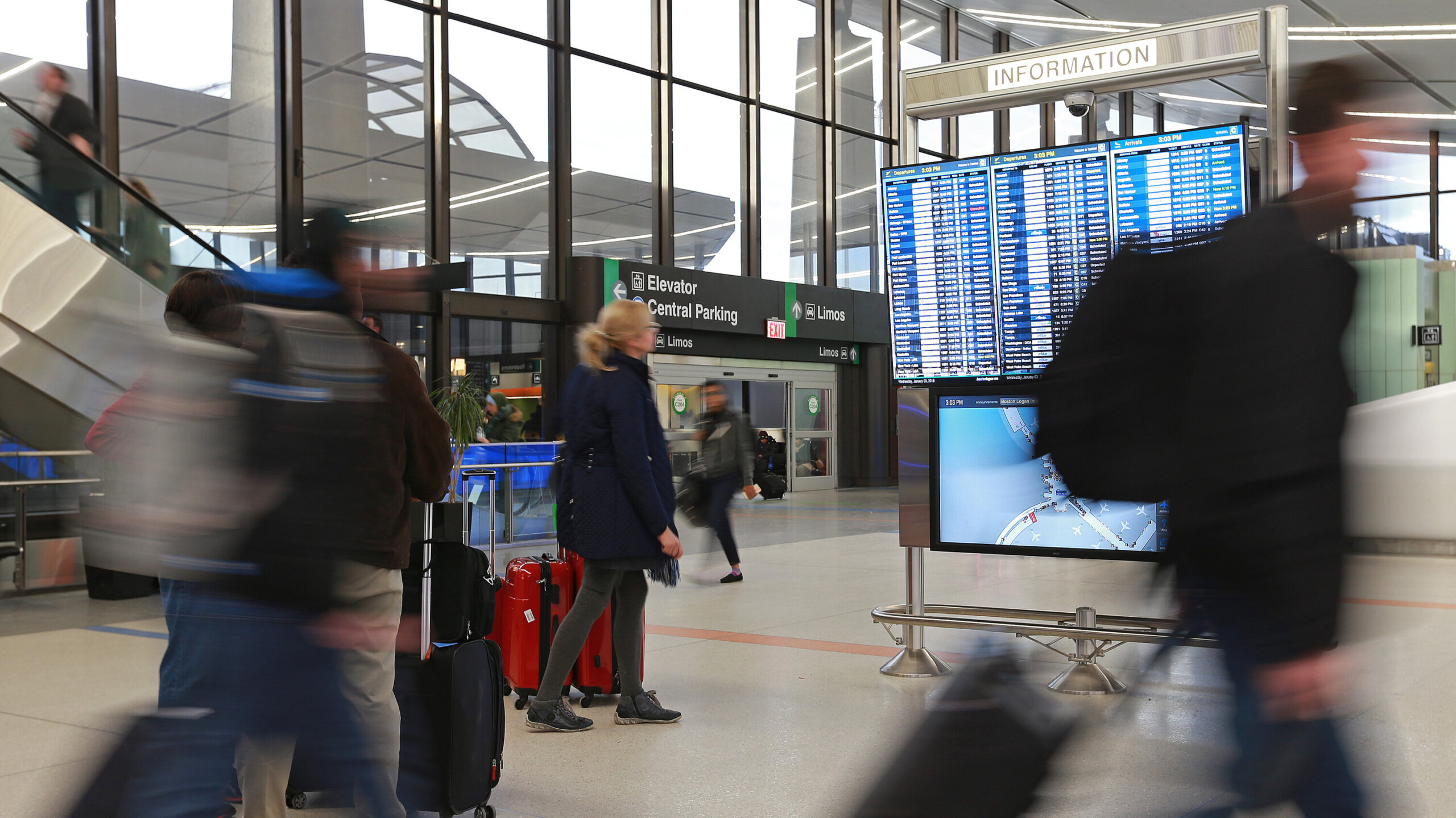
In a world where technological advancements are rapidly transforming our daily lives, the concept of a biometric exit has emerged as a compelling innovation in border security. This system, already being implemented at various U.S. airports, involves federal officers capturing photographs of departing international travelers to verify their identities through facial recognition technology. Surprisingly, many travelers are unaware of this process, raising significant questions about privacy and consent. For instance, René Rodriguez’s experience at Boston Logan International Airport highlights the unsettling nature of these procedures, leading to feelings of violation and confusion. With the scheme’s expansion in the near future, it becomes crucial to understand both its implications and the assurances provided by officials to allay passenger concerns.
Understanding the Biometric Exit Program
The biometric exit program operates under the Department of Homeland Security (DHS) and aims to verify the identities of travelers leaving the U.S. by comparing facial images taken at the airport with the images stored in government databases. As of September 15, 2025, these initiatives received formal approval to extend across all U.S. airports, seaports, and land crossings. This expansion has emerged from a slow implementation process that began with biometric entry systems back in January 2004. It also addresses recommendations established by the 9/11 Commission Report, underscoring the continuous evolution of security in air travel.
The Process of Biometric Exit Verification
When you’re at the gate, officers take your photo using either a stepladder-mounted camera or specialized handheld devices. Despite 52 percent of departing air travelers currently undergoing biometric exit verification, confusion pervades travelers’ thoughts regarding this new protocol. Moreover, travelers express concerns over the implications this may have on their privacy, particularly since foreign nationals’ photographs can remain in the DHS database for up to 75 years. In contrast, U.S. citizens’ photos are deleted from the system within 12 hours, which still raises questions about the long-term impact of biometric data collection.
The Emotional Impact of Biometric Exit
Passenger experiences highlight emotional turmoil associated with the biometric exit processes. Instances of travelers feeling ambushed, as described by Rodríguez, evoke a sense of non-consent during boardings. This “surveillance effect” potentially diminishes the sense of safety and security travelers expect at the airport. Lorey Cavanaugh, another traveler, echoed similar sentiments when she regretted not inquiring about opting out of the process when her photo was taken while boarding a flight.
- Travelers can request to manually verify their identity.
- Concerns persist regarding the overall privacy of the data being collected.
Experts emphasize that while the biometric exit system aims to expediently confirm identities and reduce fraud, underlying issues concerning privacy and data misuse continue to loom large.
Privacy Concerns and Legal Implications
Privacy experts, such as Jeramie Scott from the Electronic Privacy Information Center, raise vital concerns about the potential for misuse of facial recognition technology and inherent biases in these systems. Reports indicate that individuals can experience false positives, particularly among marginalized communities. Consequently, while the DHS claims the collected data is securely managed, many fear the ramifications of “mission creep,” where the collected data could be exploited beyond intended uses, leading to broader government surveillance practices.
As the biometric exit program expands, travelers must remain vigilant regarding their privacy rights and be proactive in understanding how data collected from them is used and protected.
The Future of Biometric Exit
The trajectory of the biometric exit initiative speaks to a broader transition toward automated border security technologies. After President Trump’s executive order in 2017, the emphasis on establishing biometric systems has intensified, spurring increased resources toward implementing technological solutions to address immigration and security challenges. As of now, travelers across various airports are likely to encounter these changes.
- Expanding the program to more airports indicates ongoing governmental focus on security.
- Continued development of regulations may evolve to address privacy concerns.
Despite a current lack of overarching regulations protecting traveler data, officials reassure that these systems are secure and not meant to delay travel. As travelers adopt to changing security measures, understanding your rights and options offered during flying can aid in navigating this new landscape.
To deepen this topic, check our detailed analyses on Travel & Tourism section
If you are interested in the evolving landscape of immigration and technological advancements in the travel industry, explore topics like H-1B visa fees and their effects and how visa rules impact tech startups. Also, you may find the regulation of passenger rights crucial as these developments unfold. For those considering a move, learn about experiences in relocating or business opportunities reflected in advertising ventures.



