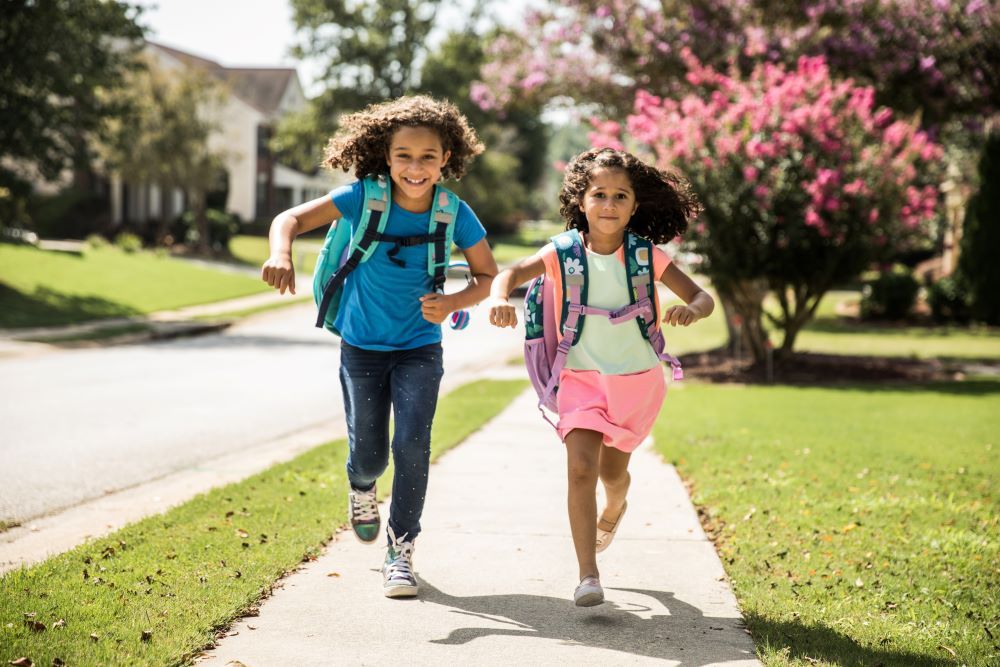
As the last days of summer fade away, kids across the country are gearing up for a new school year. However, the transition can be tough for both parents and children. Research shows that effective strategies can aid in achieving optimal back to school wellness, thereby helping kids re-engage their minds and bodies after a carefree summer. By prioritizing wellness, families can effectively clear the mental cobwebs and foster a successful academic start. Here, we present valuable insights into ensuring physical and mental vitality for the school season ahead.
Boosting Energy Through Movement
To kick off the school year, one of the simplest yet most effective ways to support back to school wellness is by increasing physical movement. When kids engage in physical activities, it enhances blood circulation, supplying the brain with crucial oxygen and glucose. This is vital for cognitive abilities. Research indicates that engaging in aerobic exercises can actually improve the development of the hippocampus, a brain region associated with memory and learning.
Here’s an engaging activity for children: the ABC Adventures. Start by telling a story while the kids stand and run in place whenever they hear a word starting with the letter “G.” They freeze when they hear a word starting with “S” and must maintain their balance. It’s a fun way to incorporate movement while sharpening their listening skills!
For more nutrition tips to complement an active lifestyle, explore the brain-boosting food experts swear by.
Crossing the Midline for Cognitive Benefits
Another strategy for enhancing back to school wellness is through activities that involve crossing the midline of the body. Our brain operates with two distinct hemispheres, each responsible for different cognitive functions. Activities requiring children to cross the midline, like “Crazy Callouts,” where they touch limbs across their body, encourage coordination and improve overall mental processing.
This simple exercise enhances the efficiency of neural communication between the brain’s hemispheres. To increase engagement, consider adding challenges, such as performing the task while balancing on one leg. This not only fosters concentration but also allows kids to have fun while learning!
Additionally, for a comprehensive approach to wellness, check out the 30-day anti-inflammatory meal plan that can help maintain focus and energy.
Incorporating Rhythm for Learning Enhancement
Research highlights that rhythm and cadence are crucial for brain development and academic skill acquisition. Activities that promote rhythm, such as “Movin’ to the Beat,” allow children to perform exercises in sync with a rhythmic sound created by their peers. This enhances both their ability to coordinate movement and cognitive fluidity.
Children should stand and engage in a chosen exercise, like jumping jacks, while the rhythm is set by their classmates. Each child gets the opportunity to lead, requiring the group to adapt their movement to the pace, thereby enhancing teamwork and focus.
For ideas on engaging workouts, consider exploring our high-protein breakfast bowls that provide essential energy and nourishment before school.
Making Movement a Routine
Implementing these activities will not only promote back to school wellness but also foster a habit of staying active, which is beneficial throughout the school year. Consistent movement helps children build resilience and boosts their mental and physical capabilities, both of which are critical in academia.
Lastly, consider the yogurt longevity secret snack that adds nutritional benefits to their eating routine, providing them with sustained energy throughout the day.
Creating an Energized School Year
These are just a few of the many ways to invigorate children’s mental and physical energy as they return to school. Emphasizing movement, coordination, and rhythm can significantly enhance their back to school wellness. Encourage your kids to keep moving, keep active, and cultivate the best versions of themselves this school year. For more fitness strategies for children, check out our insights on fitness games.
To deepen this topic, check our detailed analyses on Fitness Exercise section