In today’s health-conscious world, many individuals are searching for natural ways to reduce inflammation. One surprising and effective solution lies in the spice cabinet: the anti-inflammatory spice known as turmeric. Not only is turmeric a vibrant addition to your meals, but it also boasts impressive health benefits, particularly due to its key compound, curcumin. Research shows that curcumin can help alleviate chronic inflammation, which is a common underlying factor in many health problems. This article will explore the remarkable benefits of turmeric, how to incorporate it into your daily diet, and why pairing it with black pepper can enhance its effects.
Understanding Inflammation and Turmeric’s Role
Inflammation is a natural response by the body to protect itself from harm, including infections and injuries. However, chronic inflammation can lead to severe health issues such as heart disease, arthritis, and other inflammatory conditions. The anti-inflammatory spice turmeric contains curcumin, which has been extensively studied for its potential to counteract chronic inflammation. Experts suggest that curcumin may inhibit various inflammatory pathways in the body, making it a powerful ally in the fight against long-term inflammation.
Research supports the idea that a diet rich in turmeric can have a positive effect on reducing inflammation markers, such as C-reactive protein (CRP). Elevated CRP levels are associated with an increased risk of chronic disease, making turmeric’s benefits particularly significant. Incorporating turmeric into your meals is a simple yet impactful way to promote a healthier lifestyle.
How to Add Turmeric to Your Diet
Turmeric is versatile and can be included in a plethora of dishes. Here are some practical ways to enjoy this anti-inflammatory spice:
- Add ground turmeric to smoothies or yogurt bowls for a nutrient boost.
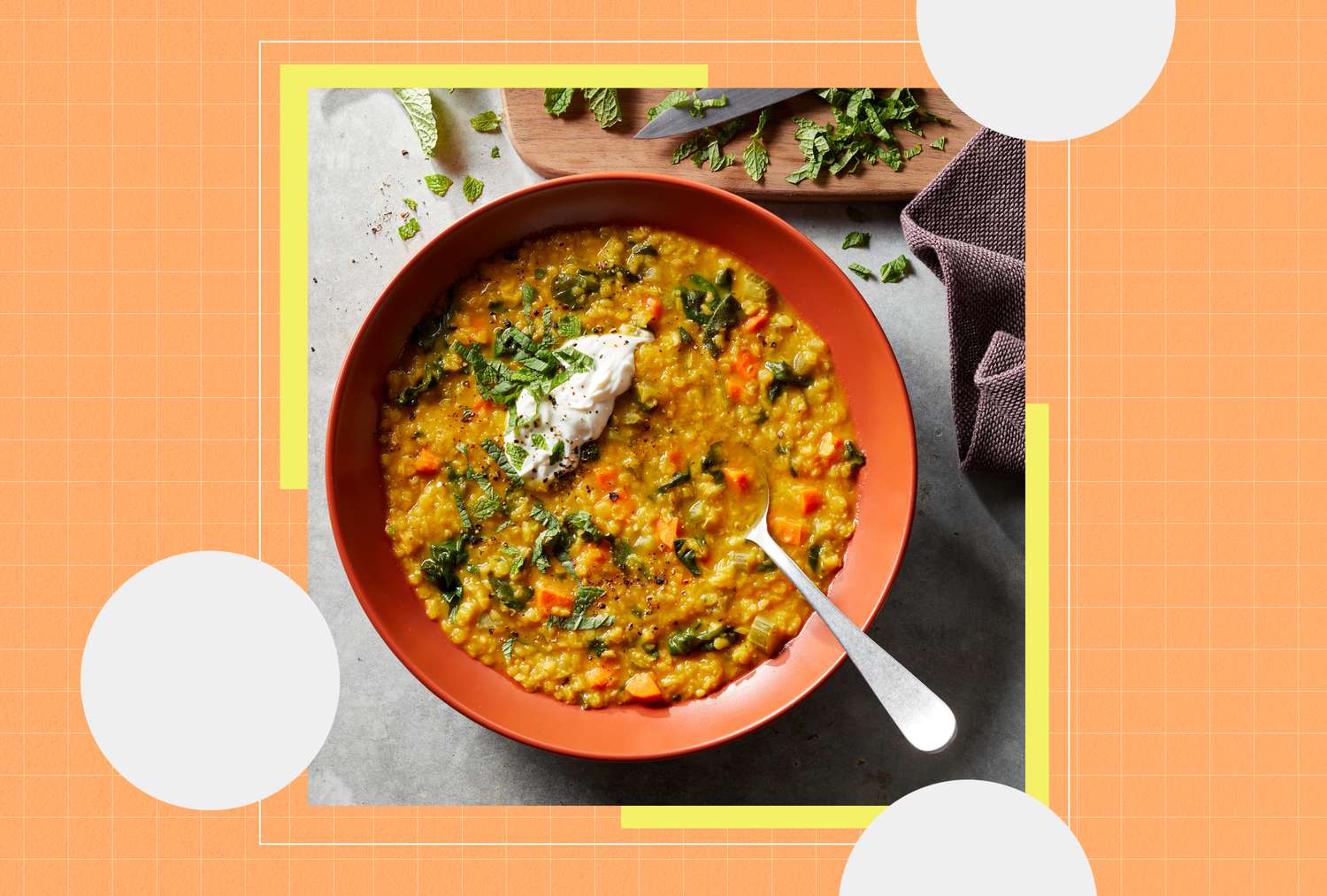
- Incorporate turmeric into soups, such as a comforting turmeric and ginger soup.
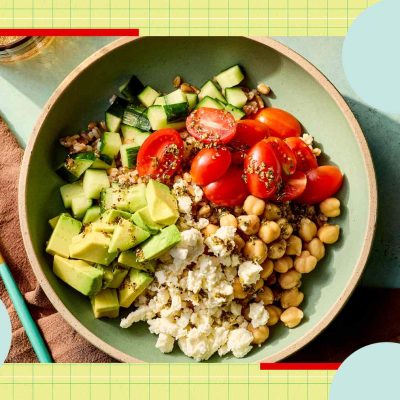
- Stir turmeric into rice dishes or grain salads for added flavor.
- Create a vibrant turmeric latte by whisking it into warm milk or a dairy-free alternative.
By including turmeric in your meals, you not only enrich your diet but also harness its significant health benefits. However, it’s important to note that the curcumin content in food is generally lower than what is used in clinical studies. Therefore, for those seeking stronger effects, supplements may be worth considering, particularly those that include black pepper or piperine to maximize absorption.
The Importance of Black Pepper
To enhance the absorption of curcumin, it’s essential to combine turmeric with black pepper. Black pepper contains piperine, which significantly increases the bioavailability of curcumin, allowing your body to utilize its full potential. Without piperine, much of the curcumin may pass through your system unused. Therefore, when preparing dishes with turmeric, be sure to include a pinch of black pepper to elevate the health benefits of this anti-inflammatory spice.
- Sprinkle black pepper on sautéed vegetables with turmeric.
- Mingle turmeric and black pepper in salad dressings or marinades.
Delicious Recipes Featuring Turmeric
For those eager to incorporate more turmeric into their diets, trying out new recipes can be exciting. Here are a couple of delicious options:
- Turmeric & Ginger Shots: A powerful energy booster, this simple concoction can kickstart your day.
- High-Protein Lemon & Turmeric Chicken Soup: This hearty soup combines the benefits of protein and the anti-inflammatory properties of turmeric.
Finding ways to integrate this anti-inflammatory spice into your meals not only makes dishes more flavorful but can also help with maintaining a healthy inflammatory response in your body.
Conclusion: Boosting Your Well-being with Turmeric
Turmeric presents a flavorful and scientifically supported method for addressing chronic inflammation. While the amount obtained from food may be lower than supplement doses, using turmeric regularly—especially when paired with black pepper—can effectively support your body’s natural inflammatory response. It’s crucial to remember that this spice is not a substitute for prescribed medication, but rather a beneficial addition to an overall healthy diet.
To deepen this topic, check our detailed analyses on Food & Recipes section
For further reading, explore similar strategies discussed in our article on the Mediterranean diet and its remedies. You can also check out other health insights or recipes for healthy meals, including high-protein soups that can complement your anti-inflammatory journey.
Additionally, our exploration of recent trends in real estate and EA Sports FC may provide useful information beyond dietary habits.