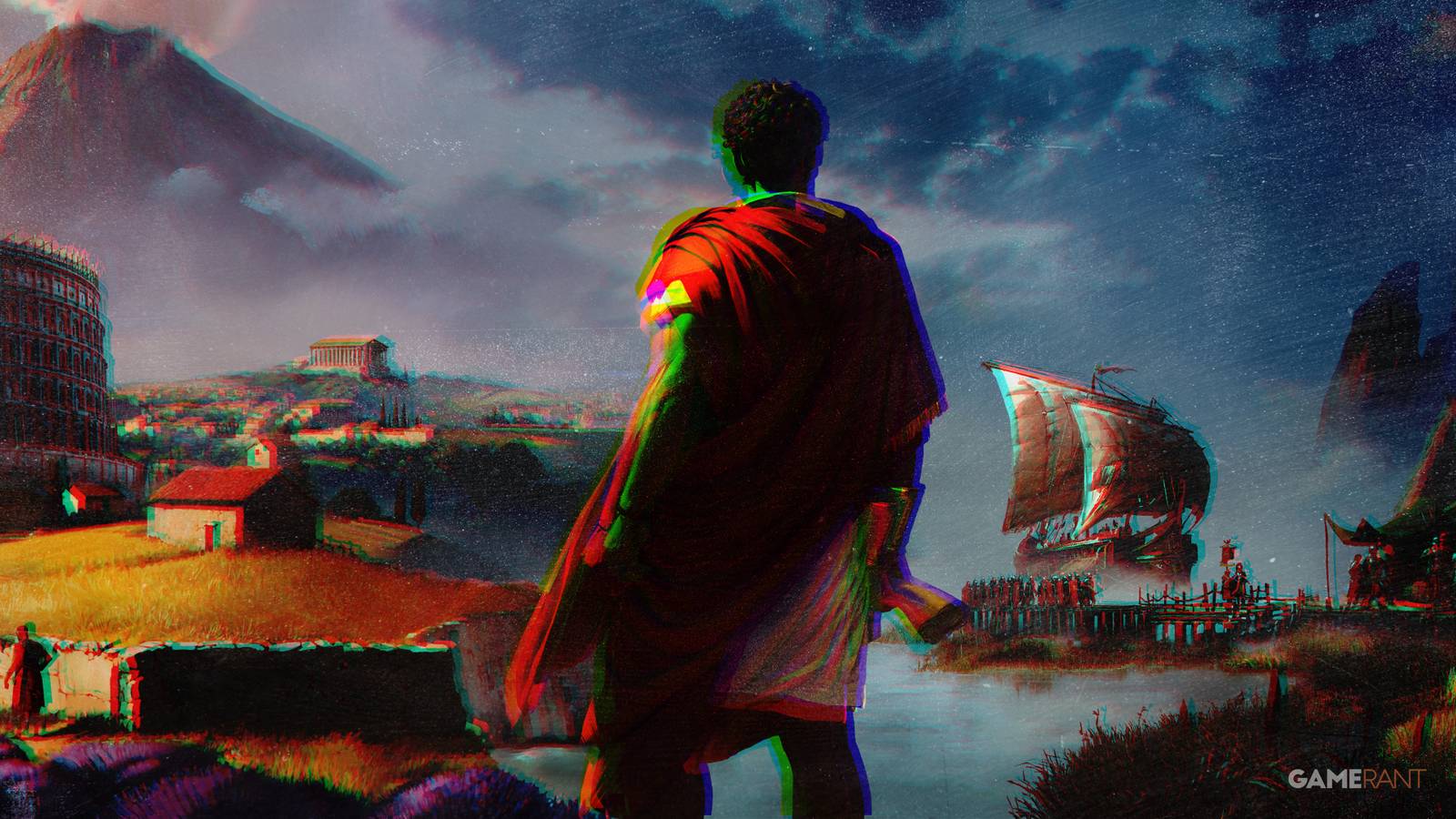
In the ever-evolving world of video games, where creativity meets technological innovation, the integration of AI has become a hot topic. Recently, the highly anticipated game Anno 117 AI Art has ignited discussions surrounding the use of AI-generated artwork in gaming. As the sequel to the acclaimed Anno 1800, this latest installment has sparked interest not just due to its gameplay, but also because of its visual artistry that has unexpectedly become a point of contention. With its launch on November 13, 2025, players quickly discovered anomalies in the background art and loading screens, leading to a broader conversation about the implications of using generative AI in game design.
This article delves into the intricacies of the Anno 117 AI Art controversy, exploring Ubisoft’s responses, the impact of AI in art, and what it means for the future of gaming visuals. We aim to offer insights while keeping you updated on the latest developments in this ongoing discussion.
Understanding the Anno 117 AI Art Controversy
The launch of Anno 117: Pax Romana revealed a fascinating intersection of art and technology. The game employs AI-generated art, a move that has caught the attention of both fans and critics. Players quickly noted inconsistencies in the artwork: bizarre facial features, strange proportions, and distortions that are often associated with AI imagery. Surprisingly, these observations came almost immediately after the game’s release, prompting Ubisoft to address the concerns raised by the community.
In a statement, Ubisoft acknowledged that at least one of the images in question — a loading screen illustration of a banquet scene — was indeed a placeholder that had not gone through the necessary review processes. This admission has led to further scrutiny and debate about the use of AI in creating game assets, particularly because Anno 117’s predecessor was celebrated for its hand-crafted illustrations. As noted in recent articles, the reliance on AI for artistic development casts a shadow on the creative integrity of the game’s visuals.
Ubisoft’s Response to the Accusations
Ubisoft has made it clear that while they did utilize generative AI tools during the development of Anno 117 AI Art, the final product is a reflection of the artistic vision of their team. This insight was shared alongside the announcement that the image generating concern would be corrected in an upcoming 1.3 patch. Ubisoft stated, “Every element players will experience in the final game reflects the team’s craft, artistry, and creative vision.” This reaffirmation aims to soothe players’ apprehensions about AI’s role in the creative process.
Though Ubisoft has redeemed one troubling piece of art, critics question whether this is just the tip of the iceberg. Many believe that other elements within the game suggest further use of AI that hasn’t been officially addressed. Gamers remain attentive, advocating for transparency in how developers integrate technology into creative industries. As such, the debate over the legitimacy of AI-generated assets in gaming continues to be a significant topic within the community.
Implications of AI in Gaming Art
The Anno 117 AI Art situation serves as a key example of the growing pains surrounding the integration of artificial intelligence into creative fields. The backlash is not solely against AI itself, but also against what it represents: the potential dilution of artistic craftsmanship. AI may provide efficiency and innovation, but it also raises questions about authenticity and the heart of artistic creation.
Players may appreciate the rapid advancements AI can offer, especially in the iterative phases of game development, but they are equally aware that art’s value lies in its human touch. The blend of strategy and design in games like Anno 117 requires thoughtful storytelling and rich visuals that resonate with players emotionally. When these components are generated through algorithms, the risk of losing connection to the audience increases.
The Future of Art in Gaming
As technology continues to develop, the relationship between traditional artistry and AI will remain a contentious issue. Anno 117 AI Art has provided an opportunity for the gaming community to confront this issue head-on. Gamers and developers alike must navigate the delicate balance of incorporating new technologies while preserving the integrity of artistic expression.
Moving forward, studios may need to prioritize clear communication regarding the use of AI in development processes. This will not only help build trust but also create a shared understanding of how technology can complement, rather than replace, the creative endeavors of passionate artists. By keeping the lines of communication open, the gaming community can adapt to technological advancements without sacrificing the emotional connections that thoughtful artwork fosters.
Conclusion
The Anno 117 AI Art controversy highlights an essential dialogue in the gaming industry about where to draw the line between innovation and tradition. As developments continue to emerge, it’s crucial for players, developers, and critics alike to engage thoughtfully with these changes. Will AI enhance creativity or compromise it? The debate is ongoing, and Ubisoft’s inputs could shape the course of how AI-art blends into gaming moving forward.
To deepen this topic, check our detailed analyses on Gaming section.