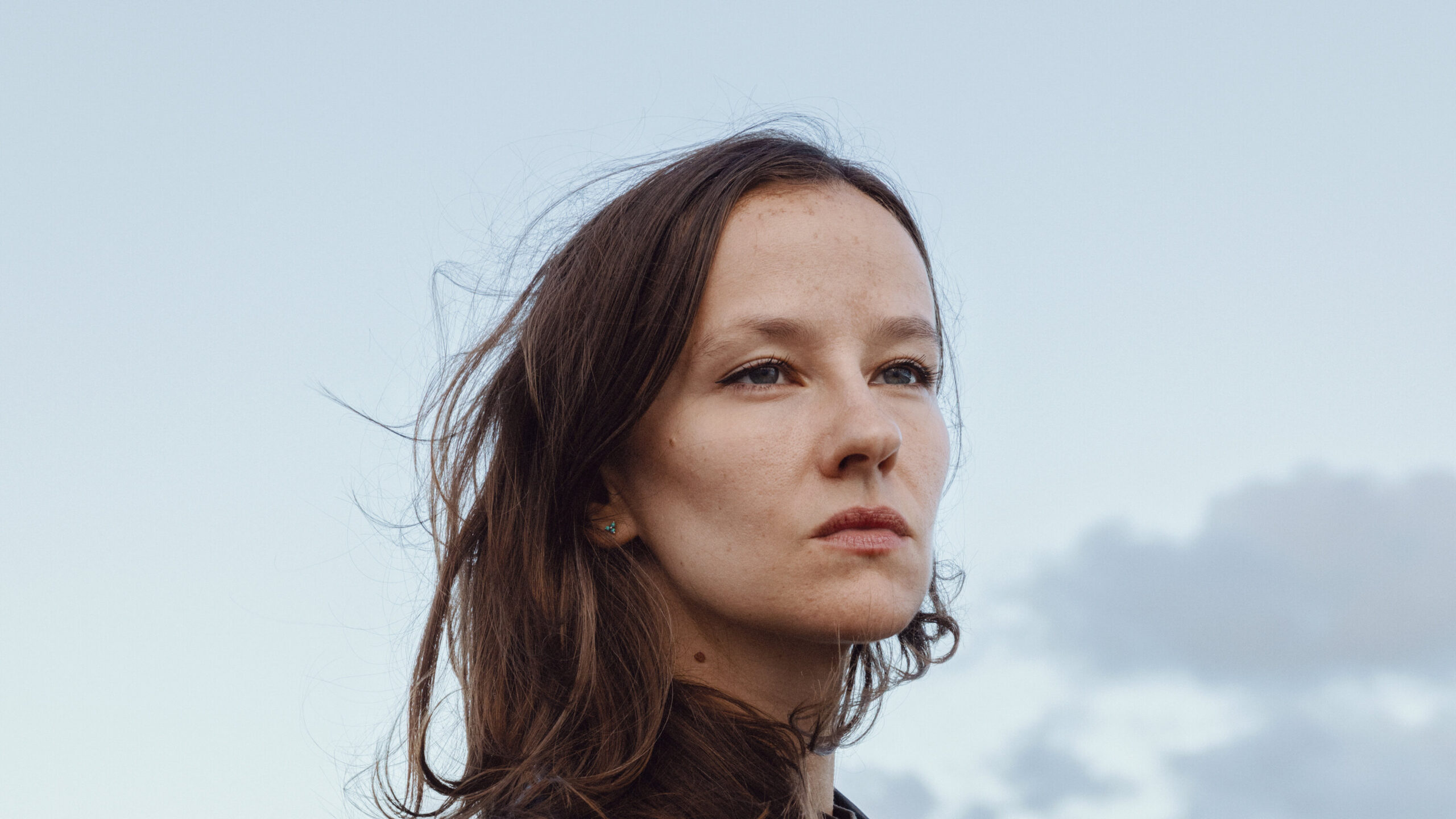
In the ever-evolving landscape of contemporary music, few artists stand out like Caterina Barbieri. At the young age of 35, she has become a trailblazer in the realm of experimental sounds and synthesizers. Interestingly, she has also taken on the prestigious role of the youngest-ever artistic director of the Venice Music Biennale, an event traditionally focused on classical music. This bold appointment surely marks a pivotal shift for an institution steeped in history. By merging the avant-garde with established norms, Caterina Barbieri is poised to amplify and redefine the music experience for audiences around the globe.
Breaking Boundaries: Caterina Barbieri’s Vision
Caterina Barbieri‘s approach is not just a juxtaposition of styles; it’s an innovative fusion that resonates deeply with modern audiences. Raised in Bologna and now residing in Berlin, she has made a name for herself in the minimalist music scene, often performing in unique venues that enhance her artistic expression. This year’s Venice Music Biennale, which runs from October 8 to 25, highlights her vision—seamlessly integrating ancient music with genres such as electroacoustic, free jazz, and techno. Her experimental edge is evident through her diverse lineup of artists, which includes the eclectic Abdullah Miniawy and renowned DJ Carl Craig. This shift reflects a broader trend in music, where traditional boundaries are continually challenged.
As highlighted in her own words, “Bringing my experience, my vision, to such an official level in Italian culture is not to be taken for granted. For me, it’s beautiful to bring change.” With Caterina Barbieri at the helm, the event paves the way for new, innovative expressions within the classical framework.
Revitalizing Classical Music Narratives
Caterina Barbieri‘s influence extends beyond her performances; it encapsulates a revitalization of narratives within classical music. By introducing experimental musicians and exploring diverse musical realms, she ignites a dialogue about what classical music can be in the modern age. This concept parallels the transformative storytelling seen in contemporary culture, much like the insights shared in Taylor Swift’s exploration of show business.
This innovative approach is essential as audiences increasingly seek authenticity and emotional connection. The blending of varied musical styles fosters an environment where music becomes a living art form rather than a static organization of notes. The upcoming Biennale aims to capture this essence, inviting listeners to engage with music on a deeper level.
Engaging Diverse Audiences through Musical Innovation
Caterina Barbieri not only leads with her compositions but also engages in curatorial practices that encourage younger, experimental artists to showcase their work. This years’ Biennale encourages a vibrant spectrum of performances and styles. By featuring acts ranging from folk to drone metal, Barbieri underlines the importance of diversity within artistic expressions. Such a philosophy mirrors the diverse fandom culture discussed in our article on the aesthetics of fandom, suggesting that engagement crosses genres and age groups.
As the music industry grapples with rapid technological advancements, Caterina Barbieri serves as a beacon for innovation—pioneering sounds that challenge, provoke, and inspire. By transcending traditional classifications, she attracts listeners who crave something beyond the status quo.
Celebrating Multidimensional Creativity
The Venice Music Biennale under Caterina Barbieri promotes more than just music; it celebrates multidimensional creativity. The selection of artists speaks volumes about the current cultural climate. Performances weave together ancient and modern techniques, echoing the recent movements in the art world, akin to the emotional expressions found in opera, as discussed in our exploration of emotional opera experiences.
This creative synergy invites audiences to appreciate how varied musical styles and historical references can coexist harmoniously. The use of unconventional venues, similar to those seen at the festival, enhances the immersive experience, allowing for an intimate connection between the artist and the audience.
The Future of Music: Insights from AI and Industry Trends
In the broader context of the music industry, technology plays a significant role. For example, the emergence of AI in healthcare can be seen as a metaphor for innovation in music. This connection is evidently present in the recent achievements of the AI healthcare startup, Heidi, which secured $65 million to enhance clinician support, as discussed in our coverage of AI’s role in modern healthcare. Just as AI transforms healthcare delivery, Caterina Barbieri‘s vision fosters a similar spirit of innovation within the music landscape.
As new technologies and trends reshape how listeners consume music, leaders like Barbieri are crucial in navigating this evolution, ensuring classical music maintains relevance amidst change.
Conclusion: Cultivating the Next Generation of Artists
Through her bold leadership, Caterina Barbieri not only transforms the Venice Music Biennale into a hub for experimental artistry but also cultivates the next generation of musicians. By embracing eclectic sounds and fostering diverse expressions, she champions change in a historically robust institution. As we marvel at her journey, it is essential to recognize the importance of such innovative movements in the broader cultural conversation.
This spirit of creativity also resonates in various pop culture phenomena, as highlighted in our article about the current trend of celebrity candle sales that reflect personal expressions in daily life. Just as these candles illuminate personal spaces, Barbieri aims to shine a light on the future of music.
To deepen this topic, check our detailed analyses on Music section