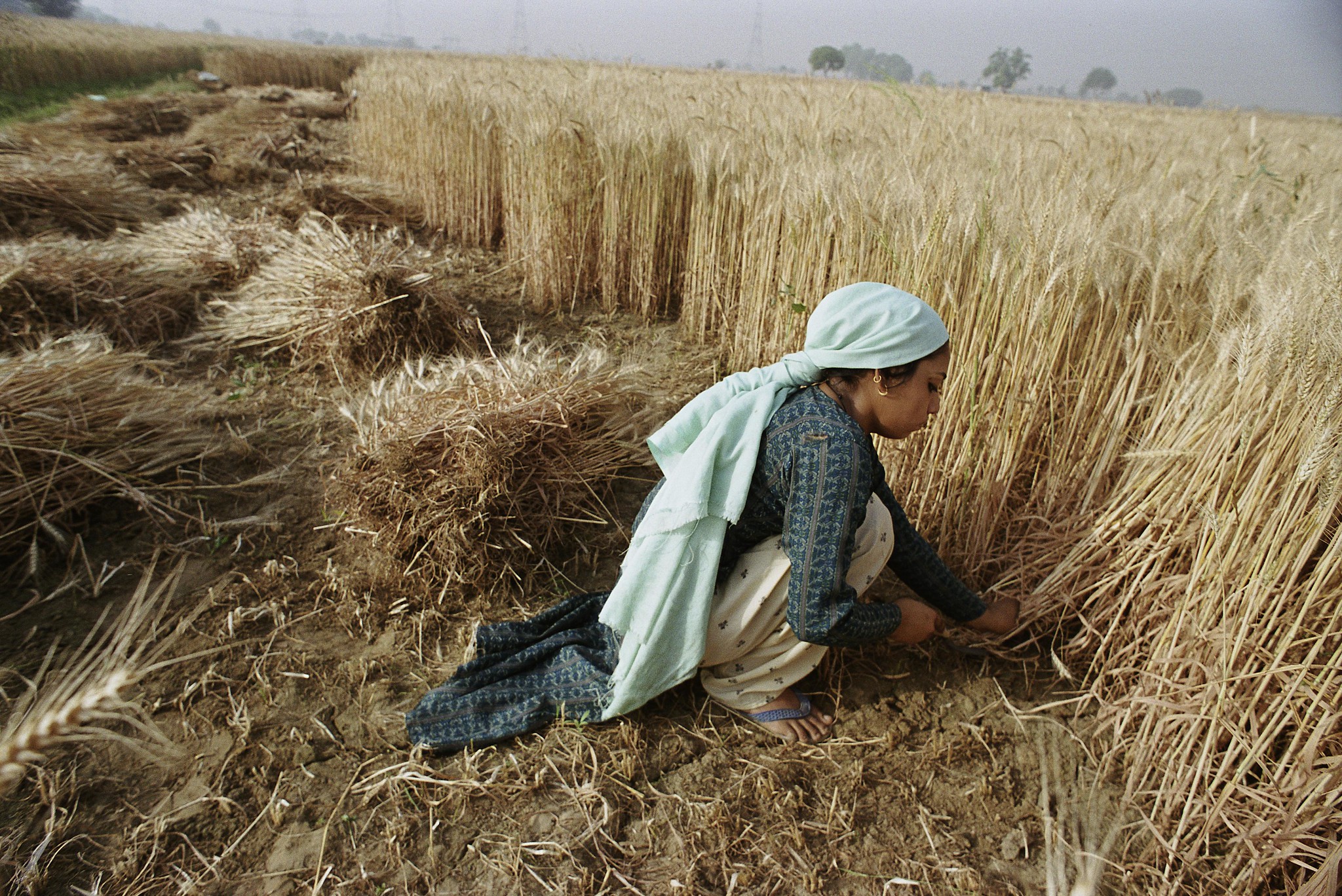
In today’s rapidly evolving agricultural landscape, the integration of technology is transforming traditional farming practices. One notable advancement is the rise of algorithmic agriculture, which leverages artificial intelligence (AI) to enhance decision-making processes for growers. With a staggering percentage of the global population reliant on agriculture for sustenance, innovative solutions to improve efficiency and yield are in high demand. AI technology has emerged as a pivotal player in achieving these goals, enabling farmers to make data-driven choices that yield better results and ultimately contribute to food security.
Understanding Algorithmic Agriculture
Algorithmic agriculture encompasses the use of sophisticated algorithms and AI tools to analyze agricultural data and optimize farming practices. This new approach allows farmers to make informed decisions based on extensive datasets that might include weather patterns, soil conditions, and crop performance metrics. By processing vast amounts of information, growers can select the best crop varieties tailored to specific local conditions, maximizing yield and minimizing waste.
For instance, vegetable seed companies are now utilizing AI to sift through thousands of seed varieties to identify those that thrive in specific climates. This technology not only saves time but also addresses the unique challenges faced by growers in distinct geographical regions. Such precise recommendations can reduce the trial-and-error nature of traditional seed selection, leading to more productive harvests.
The Role of AI in Enhancing Crop Selection
The implementation of algorithmic agriculture in seed selection has notable implications for farmers worldwide. Leading companies like Syngenta Vegetable Seeds and Heritable Agriculture are at the forefront of this revolution, using AI to refine their crop portfolios. Heritable, a startup emerging from Alphabet’s innovation lab, develops AI-driven tools that analyze agricultural data to recommend optimal vegetable seed varieties for particular growers.
This collaboration harnesses both historical data and the latest advancements in AI to create systems capable of pinpointing high-performing seeds down to an accuracy of approximately 10 meters by 10 meters. By integrating local climate data with AI analysis, growers can receive tailored recommendations that significantly enhance crop performance and efficiency.
- Improved yield predictions based on historic performance
- Reduced resource waste through precise data utilization
Impact on Sustainable Farming Practices
As climate conditions grow increasingly erratic, algorithmic agriculture proves vital in adapting farming practices to ensure sustainability. AI tools can provide insights into optimal planting times, irrigation needs, and pest management, ultimately contributing to more resilient agricultural systems. With the capacity to analyze large datasets, AI can identify trends that human analysis might overlook, leading to more sustainable practices over the long term.
Syngenta’s efforts in incorporating AI into fields such as bio-stimulants and fertilizers highlight the versatility of algorithmic agriculture. For example, their AI chatbot, Cropwise AI, assists growers in making informed decisions regarding crop choices by analyzing real-time data, enhancing their ability to respond to changing environmental conditions.
The Future of Algorithmic Agriculture
Looking ahead, the role of algorithmic agriculture is poised to expand even further. With continuous advancements in AI technology, the potential to refine agricultural practices becomes limitless. As more agricultural businesses adopt AI solutions, the industry can expect improvements in both environmental sustainability and food production. Ultimately, the goal remains clear: harnessing technology to ensure that food production is not only more efficient but also scalable, meeting the needs of a growing global population.
In summary, algorithmic agriculture represents a significant shift in how we approach farming. Its capacity to analyze and interpret complex data sets empowers growers to make smarter decisions, thus enhancing productivity and sustainability. As this field continues to evolve, it holds the promise of a robust and resilient agricultural future.
To deepen this topic, check our detailed analyses on Artificial Intelligence section