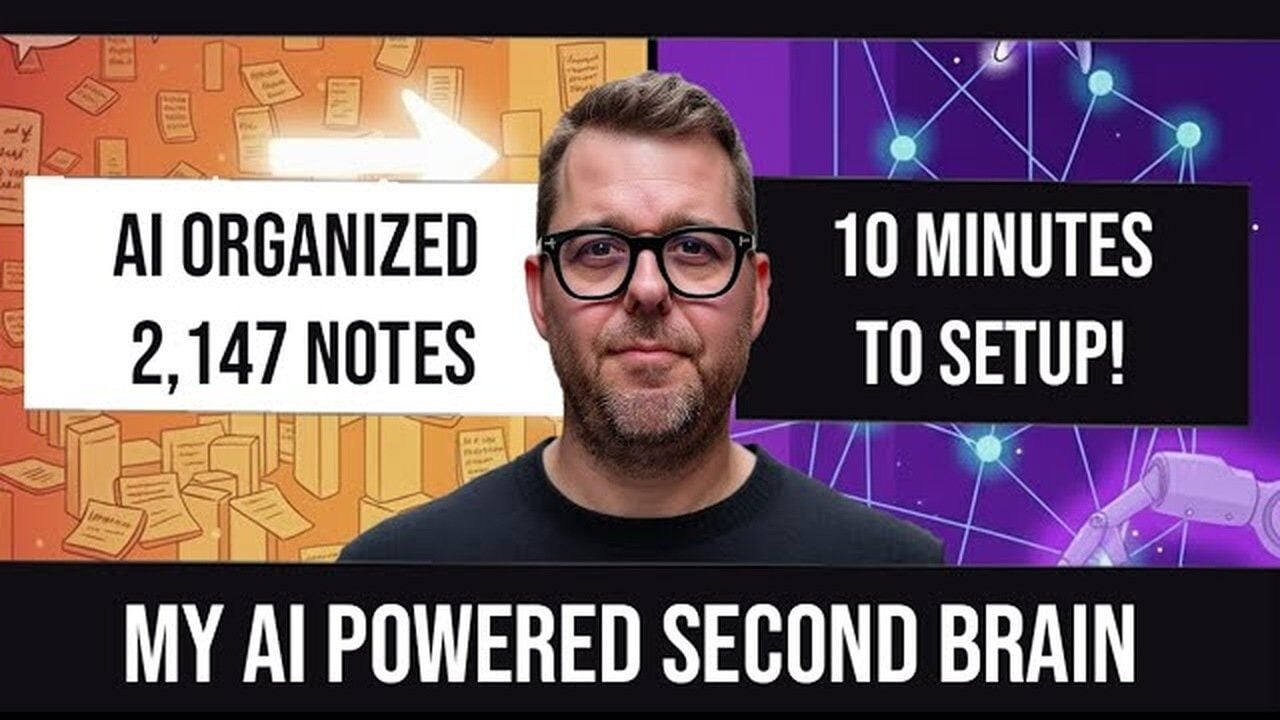
Imagine a world where your thoughts, ideas, and tasks are no longer scattered across notebooks, apps, and sticky notes. Instead, they’re seamlessly organized, effortlessly accessible, and even refined by intelligent systems that think alongside you. This isn’t science fiction; it’s the promise of building a AI second brain. By combining innovative tools like Obsidian and Cursor with proven frameworks such as the PARA method, you can create a digital system that mirrors the way your mind works. But this isn’t just about better note-taking; it’s about transforming how you manage knowledge, solve problems, and unlock your creative potential.
Jason Cyr explains how to harness artificial intelligence to transform your personal and professional workflows. From automating tedious tasks to surfacing hidden connections between ideas, an AI-powered second brain can help you think more clearly and act more decisively. You’ll learn why traditional systems fall short, how to implement smarter tools, and what strategies can make your knowledge management truly dynamic. By the end, you’ll see how this approach doesn’t just save time; it enables you to focus on what matters most. Could this be the upgrade your mind has been waiting for?
Understanding the AI Second Brain
The concept of an AI second brain revolves around utilizing cutting-edge technologies to enhance your cognitive abilities. Unlike traditional note-taking methods that often lead to chaos and confusion, AI-driven systems offer structured organization. They help to create a coherent and interconnected framework for your knowledge. By using tools like Obsidian and Cursor, you streamline your thought process and make information retrieval effortless.
With AI, knowledge management is transformed. You can automate repetitive tasks and unlock deeper insights from your notes. For instance, the PARA method, which stands for Projects, Areas, Resources, and Archives, streamlines how you categorize and manage information. Systems like these empower you to do more than just collect information; they facilitate proactive thinking and planning.
This shift toward an AI second brain not only fosters creativity but also equips you with more time to focus on high-priority tasks. Imagine transitioning from spending hours searching for notes to having a dynamic, responsive system at your fingertips.
The Limitations of Traditional Note-Taking Systems
Traditional note-taking tools like Apple Notes and Evernote often fall short in several critical areas. Relying on these systems can lead to:
- Disorganization: Ideas and notes become scattered, making retrieval time-consuming and frustrating.
- Manual Effort: Filing and categorizing notes manually can be tedious and prone to errors.
- Missed Connections: Related concepts may remain isolated, leaving valuable insights untapped.
These limitations can severely impact your productivity. In a fast-paced world, the last thing you want is to be bogged down by inefficient systems. An AI second brain addresses these shortcomings by automating organization and delivering personalized insights based on your inputs and usage patterns. By utilizing AI, you not only save time but also unlock the full potential of your knowledge.
Implementing an AI-Powered Knowledge Management System
Transitioning to an AI second brain starts by migrating your notes to a flexible platform like Obsidian. This digital workspace utilizes markdown files, making it highly adaptable and AI-compatible. The PARA method enhances your organization strategy by segmenting your notes into four distinct categories:
- Projects: Short-term efforts that lead to specific outcomes.
- Areas: Ongoing responsibilities or interests that require regular attention.
- Resources: Reference materials crucial for informed decision-making.
- Archives: Completed items that can be referenced when necessary.
AI models like Cursor can analyze your notes and suggest the most relevant categories, automating the organization and saving you hours of tedious sorting efforts. This way, you ensure that your AI second brain is always logically structured and easy to access.
Revolutionizing Productivity with AI
Incorporating AI into your knowledge management not only streamlines your workflows but also uncovers new insights. For example, using bidirectional linking within Obsidian creates a dynamic knowledge graph that interconnects related ideas. This mimics the natural processing style of the human brain, making it easier to recall and apply knowledge effectively.
Moreover, AI enhances reflective practices by generating personalized prompts that encourage deeper engagement with your ideas. These prompts might inquire how recent projects align with long-term objectives, enabling a more thoughtful review of your achievements and setbacks. This reflective process ensures that instead of merely storing notes, you actively engage with them to support your growth and decision-making.
This innovative approach also extends to everyday tasks. AI can draft weekly status reports, generate to-do lists, and prioritize actions, allowing you to focus your energy on strategic thinking and creative solutions. The AI second brain isn’t just about saving time; it’s about amplifying your productivity and mental clarity.
Recognizing AI’s Limitations and Maintaining Engagement
While the benefits of an AI second brain are immense, it’s essential to recognize its limitations. AI tools may not fully capture your unique voice or the subtle nuances required for effective summarization or note-taking. Moreover, insights generated by AI may lack the creativity that only human experience can provide. This highlights the importance of your active involvement in the process. By combining AI’s efficiency with your creative insight, you can craft a system that truly reflects your individual needs and aspirations.
Your First Steps to Build an AI-Powered Second Brain
If you’re ready to explore the potential of an AI second brain, here are essential first steps:
- Migrate Your Notes: Export existing notes into markdown files and import them into a platform like Obsidian.
- Utilize AI Features: Leverage tools like bidirectional linking to create a knowledge graph connecting related concepts.
- Automate Organization: Use AI tools like Cursor to categorize your notes automatically.
- Adopt the PARA Method: Structure your notes into Projects, Areas, Resources, and Archives for improved retrieval and organization.
As you refine your workflow, you will discover new ways to save time and enhance your productivity, ultimately unlocking the full potential of your knowledge. To find out more on this topic, explore similar strategies discussed in our analysis of self-awareness in leadership, which is vital for thriving in this AI era.
To deepen this topic, check our detailed analyses on Gadgets & Devices section