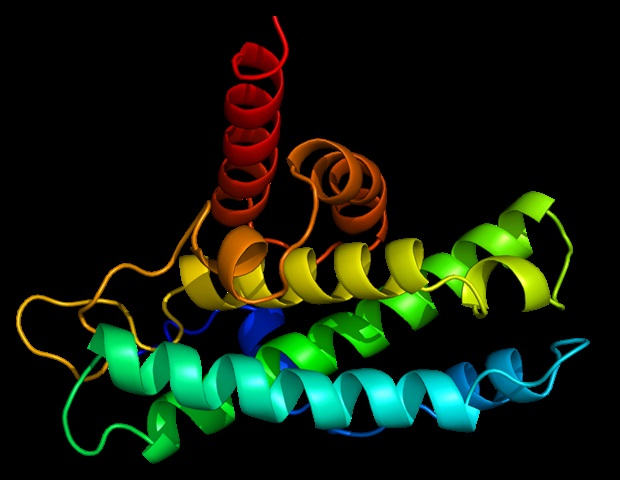
Recent advancements in the realm of biotechnology have ignited a significant transformation in various industries, particularly through the integration of AI protein engineering. This innovative approach utilizes artificial intelligence to design and optimize proteins, which play crucial roles in numerous applications from pharmaceuticals to sustainable materials. As industries seek to enhance efficiency and unlock new potentials, the fascinating implications of AI protein engineering offer a promising pathway forward. With a staggering investment of $32 million from the U.S. National Science Foundation (NSF) to propel research in this area, the future seems ripe with opportunity.
Transforming Industries with AI Protein Engineering
The significance of AI protein engineering extends far beyond mere laboratory applications. It holds the potential to disrupt traditional manufacturing processes and redefine how products are developed. According to recent NSF initiatives, substantial funding is being funneled into projects that leverage AI for protein design, fundamentally altering the landscape of the U.S. bioeconomy. These efforts enhance biomanufacturing and create new opportunities in fields like advanced materials, nutrition, and health.
- Enhanced efficiency in product development.
- Innovation in sustainable materials.
For instance, UC Davis has received substantial NSF grants to facilitate such research. Their focus is on engineering new enzymes that can accelerate the production of acrylates, vital components in various consumer products. The fundamental goal here is to transition to a more scalable and affordable solution that can revolutionize manufacturing processes.
Advancements in Health and Nutrition
Another significant domain where AI protein engineering is making waves is in health and nutrition. The production of human milk oligosaccharides (HMOs) is becoming increasingly feasible with the help of machine learning and enzyme engineering. This advancement aims to provide infants with essential nutrients, mirroring the benefits of natural breast milk. Such initiatives are critical, especially as global demands for infant nutrition improve.
Partnering with industry leaders like Novozymes, UC Davis is set to tackle challenges in synthesizing these complex sugars, a feat that has proven difficult until now. The goal is clear: develop advanced tools that ensure infants receive optimal nutrition, paving the way for the creation of superior infant formulae.
- Personalized solutions in nutrition.
- Support for new enzyme systems with commercial viability.
As AI protein engineering continues to evolve, these advancements not only foster academic research but also pave the way for commercial applications that can enhance our daily lives.
Investing in Future Talent
A major part of the NSF grants involves fostering the next generation of scientists through initiatives like the Design to Data program at UC Davis. This program ensures that students gain hands-on experience in AI protein engineering, equipping them with the skills required for this dynamic field. Program Director Ashley Vater emphasizes the importance of engaging students in practical projects, thereby stimulating interest and innovation.
This proactive approach not only boosts the educational landscape but also contributes to a skilled workforce adept in advanced protein design techniques, crucial for maintaining America’s competitive edge in biotechnology.
Conclusion: The Future of AI Protein Engineering
The trajectory of AI protein engineering is undeniably promising, with investments and research initiatives emphasizing its importance across various sectors. As we observe its integration into industries spanning from healthcare to sustainable manufacturing, the transformative potential becomes increasingly evident.
For readers interested in exploring similar advancements in technology, we suggest examining strategies discussed in our analysis of AI-driven technological innovations and opportunities for business growth in the small business sector.
To deepen this topic, check our detailed analyses on Nutrition & Diet section